Sterling Silver vs White Gold: Which Metal is Best For You
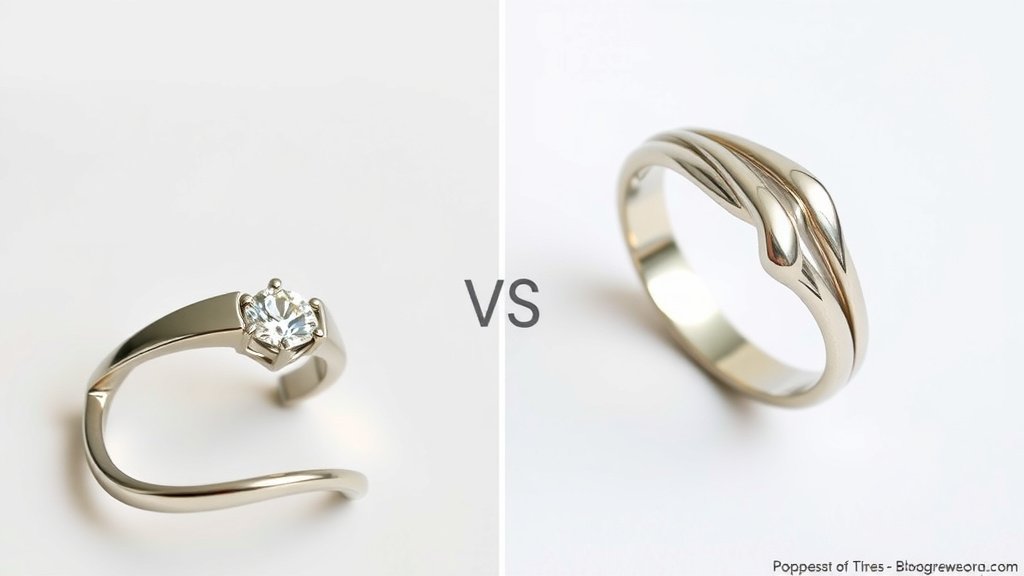
When choosing between sterling silver and white gold for your jewelry, it’s helpful to know that white gold is generally a more durable and lustrous option, often considered a better long-term investment. Sterling silver is a beautiful choice for everyday wear, but it can tarnish and scratch more easily. The best metal for you really depends on your budget and desired look.
Both sterling silver and white gold offer a bright, silvery appearance that many people love. White gold is actually yellow gold that has been mixed with white metals like palladium or nickel and then plated with rhodium for extra shine. Sterling silver is an alloy of pure silver and other metals, typically copper, for added strength. We found that understanding these differences can help you make a choice you’ll be happy with for years to come.
- White gold is typically more durable and resistant to scratching.
- Sterling silver can tarnish over time and requires more care.
- White gold is generally more expensive than sterling silver.
- Both offer a similar bright, silvery look.
Let’s dive into the details of each metal so you can decide which one is the perfect fit for your next piece of jewelry.
So, you’ve found a piece of jewelry you absolutely adore, but you’re stuck between sterling silver and white gold. It’s a common dilemma, and we’re here to help you sort it out! Let’s break down what makes each metal special, and more importantly, what that means for you and your jewelry.
Comparing Sterling Silver and White Gold for Jewelry
When deciding between sterling silver and white gold, consider your lifestyle and how you plan to wear your jewelry. We found that understanding their core differences will guide you to the best choice for your needs.
What Exactly Are Sterling Silver and White Gold?
Understanding the makeup of each metal is the first step. It helps explain their durability, shine, and price points. Think of it like understanding the ingredients in a recipe – it affects the final taste, or in this case, the final look and feel of your jewelry.
The Composition of Sterling Silver
Sterling silver is not pure silver. Pure silver, known as fine silver, is incredibly soft. It’s like trying to make a ring out of butter – not very practical! Jewelers mix fine silver with other metals to make it stronger and more durable. This mixture is typically 92.5% silver. The other 7.5% is usually copper. This is why you’ll often see sterling silver stamped with “925”. We found this alloy makes it suitable for everyday wear.
The Composition of White Gold
White gold, on the other hand, starts as yellow gold. It’s an alloy of pure gold mixed with white metals. These white metals can include palladium, nickel, or manganese. The ratio of gold to these other metals determines its karat. For example, 14K white gold is 58.3% pure gold, while 18K white gold is 75% pure gold. Many experts say this blend gives white gold its color. To achieve that bright, silvery finish we all love, it’s then plated with rhodium. This rhodium plating is key to its signature shine.
Durability and Everyday Wear: Which Holds Up Better?
Your jewelry should be able to keep up with your life, right? Let’s look at how these metals perform over time and with regular use. We found that durability is a major factor for many jewelry buyers.
Sterling Silver’s Durability
Because sterling silver is an alloy, it’s much stronger than fine silver. However, it’s still relatively soft compared to white gold. We found that it can be prone to scratching and denting with everyday wear, especially if you’re active. Rings and bracelets often show wear more quickly. Think of it like a well-loved book – it gains character, but also a few nicks and scuffs.
White Gold’s Durability
White gold, especially higher karat options like 14K or 18K, is generally more durable and resistant to scratches than sterling silver. The added hardness comes from the alloys mixed with the gold. However, the rhodium plating can wear off over time. This is a normal process. Many jewelers recommend re-plating every 1-2 years for white gold jewelry to maintain its bright, white look. We found that this is an important maintenance consideration.
Appearance and Shine: Achieving That Silvery Look
Both metals offer that coveted bright, silvery appearance. But there are subtle differences in their shine and how they maintain it.
The Luster of Sterling Silver
Sterling silver has a beautiful, natural luster. It has a slightly warmer, softer white tone compared to the crisp, bright white of rhodium-plated gold. We found that many people appreciate its classic, understated elegance. However, a significant characteristic of sterling silver is its tendency to tarnish. Tarnish is a dull, dark film that forms when silver reacts with sulfur in the air. It’s a natural process, but it means regular cleaning is needed to keep it looking its best.
The Luster of White Gold
White gold gets its brilliant shine from the rhodium plating. This plating gives it a very bright, mirror-like finish. It’s a crisp, cool white color that many find very appealing. While the gold alloy itself is white, the rhodium plating is what provides the high polish. As mentioned, this plating can wear away. When it does, you might see a slightly yellower hue underneath, especially with lower karat white gold. Many sources say regular polishing can help maintain the rhodium plating’s luster for a while.
Maintenance and Care: What’s Involved?
Jewelry is an investment, and how you care for it directly impacts its longevity and appearance. Let’s talk about the upkeep for each metal.
Caring for Your Sterling Silver Jewelry
Sterling silver requires a bit more attention due to its tendency to tarnish. You’ll want to keep a silver polishing cloth handy. For light tarnish, this cloth is usually enough. For heavier tarnish, you might need a silver cleaning solution or paste. We found that storing your silver in an airtight bag or container, away from humidity, can slow down the tarnishing process. Also, try to avoid exposing it to harsh chemicals like perfumes or hairspray.
Caring for Your White Gold Jewelry
White gold is generally easier to maintain on a day-to-day basis, as it doesn’t tarnish. A simple wipe with a soft cloth often does the trick for everyday cleaning. For a deeper clean, you can use warm water with a little mild dish soap. A soft toothbrush can help get into crevices. However, the key maintenance for white gold is the rhodium re-plating. As we discussed, this gives it its bright white finish. When the plating wears thin, your jeweler can re-apply it. Many sources recommend doing this every year or two, depending on wear.
Cost Comparison: What’s Your Budget?
Price is often a deciding factor. How do these two metals stack up financially?
Generally speaking, white gold is more expensive than sterling silver. This difference is primarily due to the cost of gold itself and the rhodium plating process. Pure gold is a precious metal with a high market value. Sterling silver, while still a precious metal, uses less of it and alloys it with a less costly metal like copper. We found that the price difference can be quite significant, especially for higher karat white gold pieces.
Here’s a quick snapshot to help you compare:
| Feature | Sterling Silver | White Gold |
|---|---|---|
| Cost | More affordable | More expensive |
| Durability | Moderate; prone to scratches/dents | High; resistant to scratches |
| Tarnishing | Yes; requires regular cleaning | No (but rhodium plating wears) |
| Luster | Natural, soft white | Bright, crisp white (due to plating) |
| Maintenance | Polishing, cleaning for tarnish | Occasional polishing, rhodium re-plating |
Making Your Final Decision: A Quick Checklist
Choosing between sterling silver and white gold doesn’t have to be stressful. Consider these points to help you decide what’s right for you:
- Do you prefer a brighter, crisper white look?
- Are you looking for a metal that is highly resistant to scratches?
- Is your budget more flexible for a long-term investment?
- Do you want a piece that requires less frequent specialized care (like polishing for tarnish)?
- Do you want a metal that will maintain its initial shine for longer without needing re-plating?
- Are you okay with potentially needing to re-plate your jewelry every couple of years to keep it looking its best?

Conclusion
You’ve learned that both sterling silver and white gold offer beautiful silvery looks. Sterling silver is a budget-friendly choice with a classic charm, but it needs more upkeep due to tarnishing. White gold, while pricier, provides superior durability and a brighter shine, though its rhodium plating requires periodic re-application. We found that your lifestyle and budget are the biggest deciding factors. Consider how often you’ll wear the piece and your willingness to perform maintenance. Ultimately, the best metal is the one that fits your personal style and fits seamlessly into your daily life. Visit your local jeweler to see both options in person before you make your final choice!
Frequently Asked Questions
Can sterling silver be worn every day?
Yes, sterling silver can absolutely be worn every day. We found that its 92.5% silver content makes it durable enough for regular use. However, it is more prone to scratches and can tarnish, so you may need to clean it more often than white gold.
How often should white gold be replated?
You generally need to have white gold jewelry replated with rhodium every 1-2 years. This depends on how often you wear the piece and the quality of the original plating. We found this re-plating is key to maintaining its bright, white appearance.
Will white gold tarnish like sterling silver?
No, white gold itself does not tarnish. The issue with white gold is that the rhodium plating can wear off over time. When this happens, you might see a slightly yellowish hue from the underlying gold alloy, but the metal itself doesn’t form the dark tarnish characteristic of silver.
Is white gold hypoallergenic?
White gold can be hypoallergenic, but it depends on the alloys used. Many white gold pieces contain nickel, which can cause allergic reactions in some people. If you have sensitive skin, look for white gold that uses palladium instead of nickel, or consider platinum or sterling silver.
Which metal looks more expensive, sterling silver or white gold?
White gold generally appears more expensive due to its brighter, more reflective shine from the rhodium plating and its higher price point. While sterling silver has a beautiful luster, its tendency to tarnish and softer shine can sometimes make it look less luxurious than freshly polished white gold.