Pendant Necklace Symbolism and Meaning Explained
A pendant necklace is a piece of jewelry that symbolizes a personal meaning, memory, or belief that matters deeply to you. It is more than just an accessory; it’s a wearable story that sits close to your heart. That is the core sentiment behind what a pendant necklace symbolizes—a way to carry something precious with you all day long.
Throughout history, people have used pendants as talismans for protection, tokens of love, or markers of faith. We found that the meaning is rarely about the chain itself, but the charm that hangs from it. From a simple initial to a religious icon, the pendant acts as a tiny billboard for your identity, values, or connections to others. Many experts say these symbolic charms can even serve as grounding reminders during stressful moments.
- Personal Expression: Pendants reflect your unique style, hobbies, or passions.
- Love and Connection: They often symbolize a bond with a partner, child, or family member.
- Faith and Protection: Religious or spiritual charms serve as daily reminders of your beliefs.
- Milestones: They mark special dates, achievements, or memorials for loved ones.
- Self-Identity: A pendant can affirm who you are and what you stand for.
Below, we break down the rich history, common meanings, and how you can choose the perfect pendant that speaks to your own story.
The Deeper Meaning Behind a Pendant Charm
We found that a pendant’s true power comes from what you attach to the chain. A ring sits on your finger. A bracelet wraps your wrist. But a pendant rests directly over your heart. That close distance creates an emotional bond between the object and your daily life.
Think of it like a favorite song on repeat. You hear it often, yet each listen feels personal. A pendant works the same way. Every time you catch a glimpse of it in the mirror, you remember why you put it on that morning.
Why We Wear Symbols Close to Our Hearts
People have a natural urge to carry reminders of what they love. Psychologists call this “tethering” — attaching meaning to a physical object for emotional comfort. That is why a mother might wear her child’s birthstone. Or why a soldier wears a dog tag engraved with a promise.
We found that the neck area is a vulnerable spot on the human body. Placing a symbol there feels like armor. It shields your spirit while you face the world.
What a Pendant Says Before You Speak a Word
Jewelry is non-verbal communication. A pendant shouts your story without making a sound. Someone sees a tiny anchor and assumes you love the ocean. They see a cross and understand your faith. They see a “J” and guess your name or your partner’s name.
That silent message builds instant connection. Strangers might start conversations based on your charm. Friends might feel closer because they recognize the symbol. It is a small icebreaker that carries big emotional weight.
Historical Pendant Meanings Across Time
Pendants have been around for over 40,000 years. Ancient humans carved bone and shell into neck ornaments. They believed these objects held protective spirits. That belief passed through every era and culture.
We found that the symbolism shifted with each civilization. But the core idea stayed the same: a pendant is a shield against harm and a magnet for good luck.
Ancient Protection Talismans and Amulets
Egyptians wore scarab beetle pendants to ensure safe passage into the afterlife. Romans used bulla pendants to protect boys until adulthood. Vikings wore Thor’s hammer charms for strength in battle.
Many experts say these early pieces were not decorative. They were functional — like carrying a lucky rabbit’s foot or a good-luck coin. The pendant was a spiritual insurance policy.
Medieval Love Tokens and Sealed Promises
By the Middle Ages, pendants became romantic gestures. Knights received lockets from their ladies. Inside, they kept a lock of hair or a tiny portrait. That locket was a promise — a symbol of fidelity while the knight was far away.
This tradition survives today. People still wear lockets with photos of loved ones. They hang on to that same emotional tether, just with different pictures inside.
Victorian Era Symbolism and Secret Messages
During the Victorian period, pendants carried secret code. A tiny snake meant eternal love. A forget-me-not flower meant true remembrance. Acorns symbolized strength and good fortune. People used these symbols to say things society would not let them say aloud.
We found that Victorian etiquette pushed jewelry meaning underground. But the desire to express yourself never died. That hidden language paved the way for modern personal pendants.
Common Pendant Symbolism Across the Modern World
Today, most pendant wearers pick symbols for personal reasons. We found that the most popular charms fall into predictable categories. Here is a quick guide to what those common pieces usually represent:
| Pendant Symbol | Core Meaning |
|---|---|
| Heart | Love, romance, or self-compassion |
| Cross | Faith, salvation, divine protection |
| Anchor | Stability, hope, or a sailor’s heritage |
| Key | Unlocking new beginnings or secrets |
| Tree of Life | Growth, family roots, and connection |
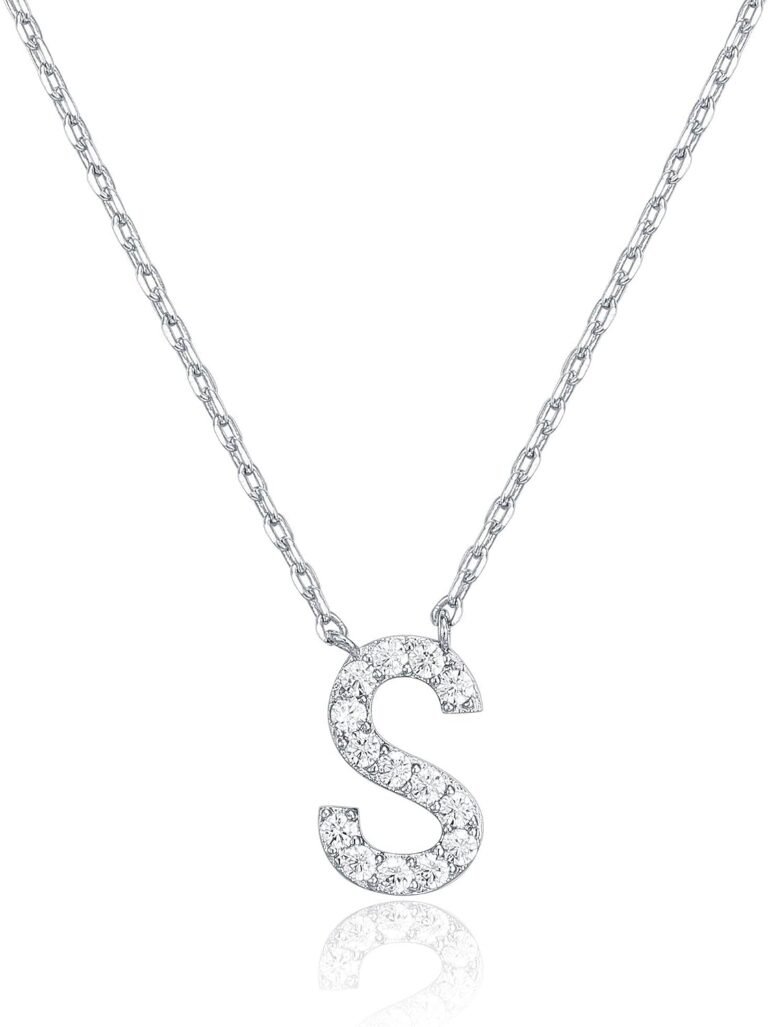
| Initials | Identity and personal pride |
| Feather | Freedom, lightness, and spiritual guidance |
| Stag or Horn | Strength, courage, and resilience |
These meanings are not absolute rules. A feather might remind you of your grandmother’s love of birds. An anchor might symbolize your military service. Your personal story overrides the generic definition.
Faith, Protection, and Spiritual Guidance
Religious pendants remain the most common choice worldwide. A crucifix, Star of David, or Om symbol offers daily grounding. Many people describe the weight of the charm as a physical reminder to stay kind or patient.
We found that wearing a faith symbol does not require daily prayer. For many, it is just a quiet reassurance. It says, “I am not alone in this mess.”
Love and Family Connections
Mothers often wear pendants with children’s birthstones or engraved names. Partners exchange matching halves of a broken heart. Grandchildren inherit their grandparents’ lockets. These pieces preserve family history.
Research on ritual objects suggests that such keepsakes activate emotional memory centers in the brain (National Institutes of Health). Touching a pendant can flood you with warmth. That physical touch mimics a hug from the person you love.
Personal Growth and Self-Identity Markers
Many people choose pendants as reminders of who they want to become. A tiny compass for a graduate starting a new career. A crescent moon for someone embracing change. A butterfly for a survivor of difficult times.
We found that these symbols act as gentle prompts. They ask, “Are you living like your symbol today?” That simple nudge can keep you on track with your goals.
Memorial Pieces and Healing Charm Jewelry
Grief is one of the hardest feelings to carry. Memorial pendants hold ashes, fingerprints, or engraved dates. They give mourners a physical place to direct their sorrow. Many experts say such keepsakes help the grieving process by providing a focal point for memory.
If you lost someone, wearing their initial can feel like they are still nearby. The pendant does not erase the pain. But it makes the absence a little more bearable. You are not moving on; you are carrying them forward.
When to Gift Someone a Meaningful Pendant
A pendant is one of the most thoughtful gifts you can give. It says you paid attention to their story. It is also deeply personal — far more intimate than a gift card or a generic scarf.
Milestone Life Events
Graduations, weddings, and new babies all call for symbolic celebration. A pendant marks the transition. It also gives the recipient something to look at years later and say, “That was my turning point.”
Comfort and Support During Hard Times
If your friend just lost a job or is going through a divorce, a pendant can speak kindness. A simple sun or compass charm says, “I see you. I believe in you.” It acts as a wearable pep talk during uncertain days.
How to Pick a Pendant That Matches the Message
Choosing a pendant should never feel overwhelming. Start with the person, not the metal. Ask yourself what memory or value you want to honor. Then let that answer guide the shape.
Starter Questions Before You Buy
- What moment or memory do I want to carry daily?
- Does the person prefer bold or delicate jewelry?
- Should the piece be subtle or a conversation starter?
- What metal tone fits their daily wardrobe best?
- Is there a specific shape that already holds personal meaning?
- Would an engraving make it feel more special?
Metal Choices and Durability for Daily Wear
Sterling silver is classic but soft. Gold is hypoallergenic and holds value. Stainless steel resists scratches and water. If the pendant will be worn every day, choose a sturdy metal. You do not want a delicate chain snapping while you are rushing through the airport.
Chain Length Matters More Than You Think
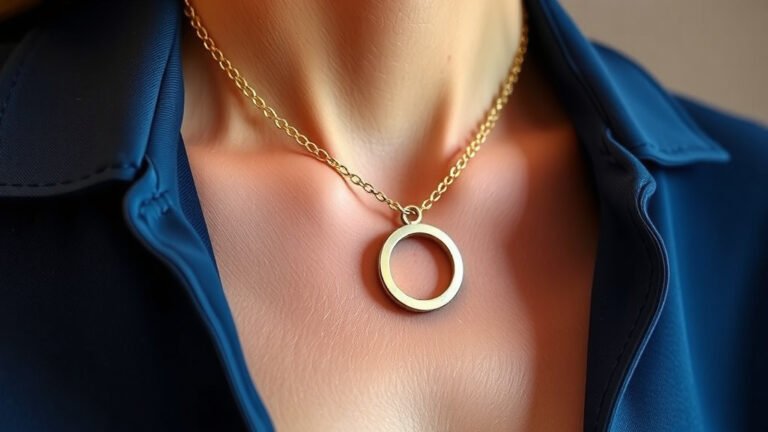
A shorter chain sits at the collarbone and feels elegant. A longer chain falls near the chest and draws attention. If you gift a pendant, include an adjustable chain. That gives the wearer control over their comfort and mood.
How to Clean and Care for Your Symbolic Pendant
A pendant loses its shine if you ignore it. Dirt and oils build up over time. We found a simple routine keeps any charm looking fresh.
Use warm water and mild dish soap. Soak the pendant for a few minutes. Gently scrub with a soft toothbrush. Rinse and pat dry with a lint-free cloth. That is all it takes for silver and gold pieces.
Check the chain clasp monthly. A weak clasp means a lost pendant — and a lost story. A tiny jewelry repair is cheap. Replacing a sentimental charm is not.
Wearing Your Pendant With Intention Every Day
The most important takeaway is simple: your pendant works best when you remember why you wear it. Take two seconds in the morning to touch it. Think of the person, memory, or value it represents. That tiny ritual turns jewelry into a daily anchor.
Wear it with confidence. If someone asks about your charm, tell them the story. That is how a symbol stays alive. It grows each time you share its meaning.
Your pendant is not just a decoration. It is a conversation with yourself and with the world. Choose one that makes you smile when you look down. That is the whole magic of the piece.
Conclusion
Your pendant tells a story that no one else can replicate. Whether it marks a milestone, guards your faith, or keeps a loved one close, that small charm carries real emotional weight. You learned that the best pendants are personal, not generic. The meaning comes from the memory you attach to the metal.
So take a moment today. Look at the necklace you already wear—or the one you keep meaning to buy. Ask yourself what story you want to tell. Then choose a symbol that makes you feel grounded every time you catch a glimpse of it. That tiny ritual turns a simple accessory into your daily anchor.
Frequently Asked Questions
What does wearing a pendant necklace say about you?
Wearing a pendant says you value meaning over flash. It shows you carry something personal close to your heart. People often read it as a sign that you are thoughtful and intentional about your style. Your charm gives others a quiet window into your personality.
Can you wear a pendant necklace every day without ruining it?
Yes, but you need the right metal. Stainless steel or solid gold handles daily wear best. Avoid delicate chains if you sleep or shower in your pendant. Just check the clasp monthly and clean it with mild soap to keep the shine.
What is the difference between a pendant and a charm?
A pendant is usually a single piece that hangs from a chain. A charm is smaller and often collected or added to a bracelet. Most people use the words interchangeably, but a pendant tends to be the main focal point. A charm can be one of many on a single piece.
Is it okay to wear a religious pendant if you are not religious?
We found that you should be careful with faith symbols. Many people wear a cross or Star of David as cultural heritage, not active belief. But if the symbol holds no meaning for you, consider a different charm. Choose something that genuinely represents your own story instead.
How do you choose the right pendant for someone else?
Pay attention to what they already wear. Look at their favorite jewelry metals and shapes. Then think about a memory you share with them. A birthstone, initial, or symbol from a special trip always feels more personal than a generic shape.