What Does a Pendant Necklace Mean and Its Symbolism
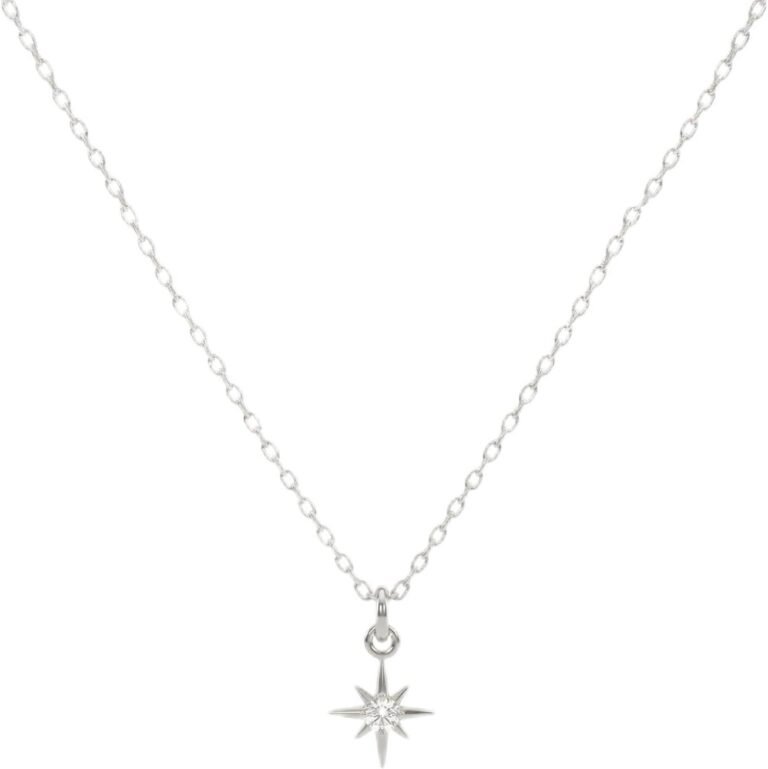
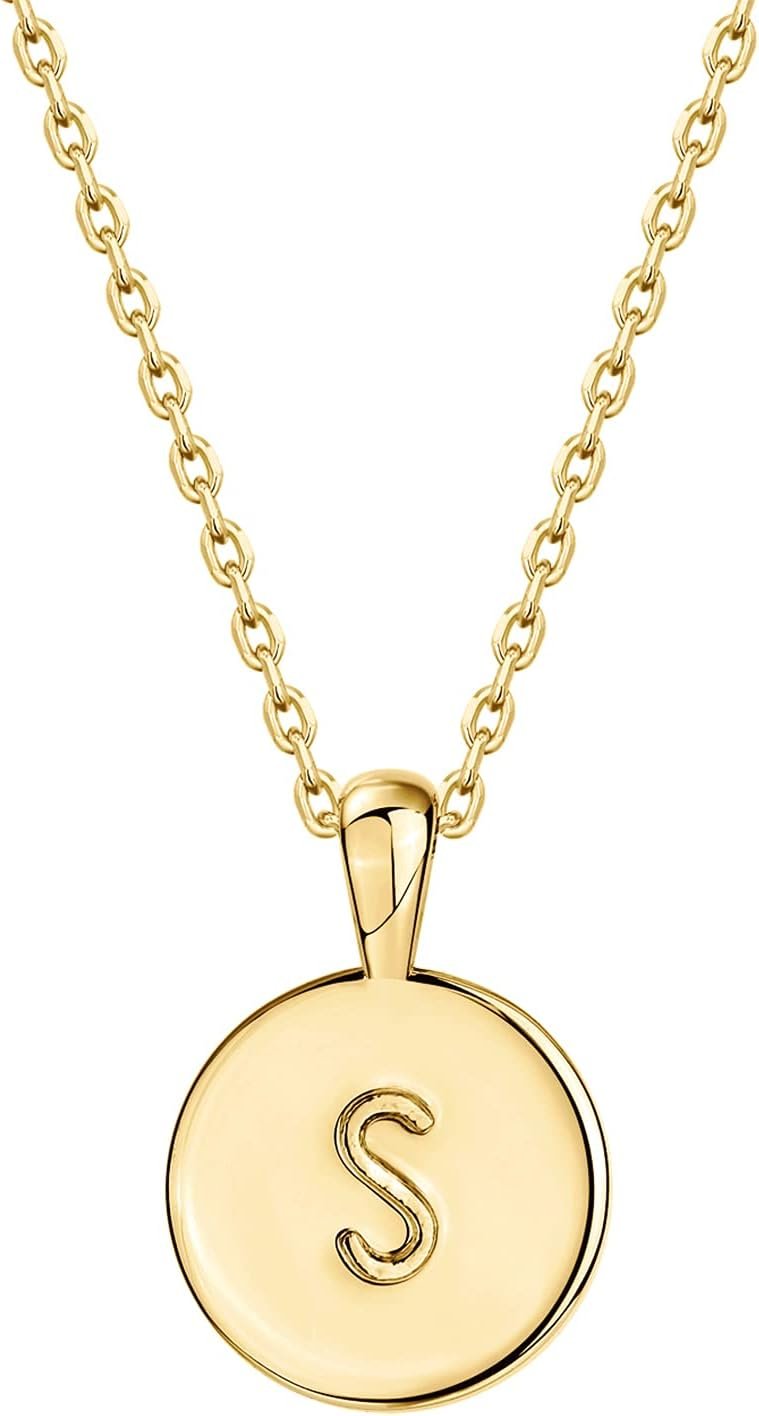
A pendant necklace is a piece of jewelry with a decorative charm, stone, or ornament that hangs from a chain or cord around your neck. The necklace is the chain, while the pendant is the part that dangles below it, making the combined piece a way to show off personal style, beliefs, or meaningful memories.
You wear a pendant necklace for many reasons, not just to look good. We found that people choose them to represent their faith, to keep a loved one close, or to make a fashion statement. The beauty of this accessory is its versatility; you can choose a simple gold bar for everyday wear or a bold, colorful piece for a special event. Our guide on how men can wear pendant necklaces covers style tips for every occasion.
- Definition: A pendant necklace is a chain with an attached, dangling charm or ornament.
- Style: The pendant adds focus and personality to an otherwise simple chain.
- Meaning: Pendants can symbolize faith, love, protection, or personal milestones.
- Materials: They come in gold, silver, and gemstones, often carrying sentimental value.
- Versatility: It is a versatile jewelry piece that works with casual and formal outfits alike.
Below, we break down the different types of pendants, what they symbolize, and how to pick the perfect one for you. Let’s walk through exactly how to make this jewelry choice meaningful and stylish.
The True Meaning Behind a Pendant Necklace
A pendant necklace is more than just metal and stone. It is a tiny story you wear around your neck. The chain holds the piece, but the pendant carries the message.
Think of it like carrying a photo in your wallet. Except this photo hangs right over your heart. That closeness to your chest is why pendants feel so personal. Many experts say humans have worn hanging amulets for thousands of years, often for protection or prayer (Smithsonian Magazine).
Where Pendant Necklaces Originally Came From
Ancient people wore pendants long before they had written language. Archaeologists have found carved stones and shells with holes, likely worn on leather cords. These early pieces were not for fashion. They served practical and spiritual purposes.
We found that many ancient cultures used pendants for specific reasons:
- Religious protection — to ward off evil spirits
- Social status — to show rank or wealth
- Practical tools — like a compass or whistle on a cord
- Love tokens — to remember someone far away
Over time, those basic stone charms evolved into the detailed gold and gem pieces you see today. Yet the core idea remains the same. A pendant makes a quiet statement without saying a word.
Common Pendant Necklace Meanings and Their Symbols
Every pendant carries its own language. The shape, the color, and the design all whisper something different. Here is what the most popular pendant styles usually represent.
Faith-Based Pendants and Religious Symbols
A cross, a Star of David, or a small angel often signals personal faith. People wear these pendants as a constant reminder of their beliefs. For many, touching the pendant during a stressful moment brings comfort.
We found that prayer beads or saint medallions also fall into this group. They act like a portable sanctuary. You can hold your belief system in the palm of your hand, even in a busy grocery store line.
Love and Relationship Pendants
Heart-shaped pendants and initial necklaces fall into this romantic category. Some couples wear matching halves of a broken coin or a lock and key set. It is a sweet way to carry your person with you.
Family pendants work the same way. A mother might wear a locket with her kids’ baby photos inside. A father might wear a small disc with his child’s birth date engraved on it.
Birthstones and Zodiac Pendants
Birthstone necklaces celebrate the month you were born. Experts suggest that wearing your birthstone might bring good luck or balance to your body’s energy (Gemological Institute of America). The science is thin, but the sentiment is strong.
Zodiac pendants take a similar path. You wear your star sign as a badge of identity. It is a fun way to show off your personality traits, from stubborn Taurus to curious Gemini.
Different Types of Pendant Necklaces You Should Know
Not every pendant hangs the same way. Some rest flat on your chest. Others swing and dangle with every step. The style changes how you look and how the jewelry moves with your body.
| Pendant Type | How It Looks | Best For |
|---|---|---|
| Locket | Small hinged case that opens | Photos, tiny keepsakes, secret notes |
| Bar | Horizontal or vertical metal bar | Engraved names, short words, dates |
| Charm | Small dangling object or trinket | Playful styles, hobbies, travel memories |
| Gemstone | Single stone set in metal | Color, birthstones, healing vibes |
| Solitaire | One single diamond or crystal | Elegant events, gifts, minimal look |
| Medallion | Coin-like round metal disc | Historical style, religious images |
Chain Styles Make a Difference Too
Your chain is not just a holder. It changes the whole vibe of the pendant. A delicate rope chain feels feminine and soft. A chunky box chain looks bold and masculine.
Think about the weight of your pendant first. A heavy gem needs a sturdy chain. A tiny bar pendant looks lost on a thick rope chain. Balance matters for comfort and style.
Chain Length and How It Sits on You
Chains come in short, medium, and long lengths. An 18-inch chain sits right at your collarbone. A 24-inch chain falls just below your chest, closer to your heart.
A shorter chain keeps the pendant front and center. A longer chain lets the pendant tuck under your shirt for a more subtle look. We found that most people pick a 20-inch chain as the happy middle ground.
How to Choose a Pendant That Actually Means Something
Buying a pendant should feel personal, not rushed. Before you hand over your money, ask yourself one simple question. Why do I want to wear this?
If the answer is just “it looks pretty,” that is totally fine. Beauty alone is a valid reason. But if you want deeper meaning, try matching the pendant to a milestone.
Life Events That Beg for a Symbolic Pendant
People often buy pendants to mark big life changes. A graduation might call for a small golden star. A new baby might inspire a tiny footprint charm.
Consider these common occasions:
- Weddings and anniversaries — a diamond or interlocking rings
- New parenthood — a birthstone or name pendant
- Grief and remembrance — a butterfly or angel wing
- Milestone birthdays — a zodiac sign or roman numeral
- Personal goals — an arrow for moving forward
- Friendship — a matching half-heart
Each one turns the necklace into a time capsule. Years later, you will look down and remember exactly where you were when you first put it on.
Picking Materials That Fit Your Daily Routine
Real gold and silver look stunning but need a little care. If you work with your hands or sweat a lot, consider these choices: gold-filled or stainless steel hold up better. They resist tarnish and handle water well.
Gemstones also have different hardness levels. Diamonds and sapphires can take daily hits. Softer stones like opals and pearls need gentler treatment. Many jewelers suggest removing soft stones before swimming or showering to keep them shiny (American Gem Society).
How to Layer Pendant Necklaces Like a Pro
Layering is a fun way to wear multiple pendants at once. You might combine a simple chain with a charm pendant and a coin piece. The trick is mixing lengths so they do not tangle.
Start with a shorter chain around 16 inches. Add a mid-length chain at 20 inches. Finish with a longer one at 24 inches. The visual rhythm of different heights looks intentional and cool.
Mixing Metals and Textures the Right Way
Gone are the days of matchy-matchy jewelry. You can totally wear a gold pendant with a silver chain. Mixed metals add depth and interest to your look.
Try combining a smooth bar pendant with a textured rope chain. Or a shiny solitaire with a matte bead chain. The contrast makes each piece stand out. We found that a tiny detail like that can elevate an entire outfit.
The Emotional and Psychological Side of Wearing Pendants
There is a quiet reason people reach for their pendant during a big meeting or a scary flight. It is a comfort object, just like a childhood blanket. This habit is not childish. It is a real coping tool.
The tactile action of touching the pendant grounds you. It brings your attention back to your body. Many therapists suggest grounding techniques to reduce anxiety, and a necklace can serve that exact purpose (Anxiety and Depression Association of America).
Why Pendants Make Such Powerful Gifts
Giving a pendant is different from giving cash or a gift card. It shows you paid attention. You noticed something about that person and turned it into jewelry.
When you gift a pendant, you are saying: You matter to me. Every time they wear it, they think of you. That little piece of metal becomes a bridge between two people, spanning miles and years.
Caring For Your Pendant So It Lasts Generations
You want that pendant to outlive you, right? Then treat it kindly. Store it in a soft pouch or a lined jewelry box. Keep it away from perfume, lotion, and harsh cleaning sprays.
For gold or silver, a gentle polish cloth works wonders. For gemstones, use warm water, mild soap, and a soft toothbrush. Rinse well and pat dry with a lint-free cloth.
A quick professional clean once a year keeps the setting tight. A lose stone can slip out without you noticing. A 5-minute jeweler visit could save you a heartbreaking loss later.
Signs Your Pendant Needs Professional Help
- The chain looks stretched or has bent links
- The clasp does not snap shut smoothly
- You can wiggle the pendant side to side
- The metal shows green or dark tarnish spots
- Stones look cloudy or feel loose in their setting
- The surface has scratches you cannot polish away
Do not ignore these warning signs. A loose clasp can drop a treasured pendant into a drain. Spend a few dollars on minor repairs to avoid the heartbreak of losing it forever.
Final Thoughts on Wearing Your Pendant with Confidence
No rule says you must wait for a special occasion. Wear your pendant with a t-shirt and jeans on a Tuesday. Wear it with a cocktail dress on Friday. The best pendant necklace is the one you never want to take off.
If you are still hunting for the perfect piece, keep it simple. Look for a symbol that already means something to you. A heart for love. A feather for freedom. A circle for eternity. The meaning of a pendant necklace is really just your own personal story, written in metal and light.
Conclusion
At its heart, a pendant necklace is a personal story you wear close to your chest. Whether it holds a photo, a symbol of faith, or a simple stone that caught your eye, it says something about you without making a sound. We walked through the history, the symbols, the chain styles, and even how to layer them like a pro. You now have the full picture.
Your next step is simple. Think about one meaningful moment in your life. Find a pendant that represents that feeling, and start wearing it today. You do not need a special occasion. Your everyday life is special enough.
Frequently Asked Questions
Can you wear a pendant necklace every day?
Yes, you can absolutely wear a pendant necklace daily. The key is picking a durable material like gold-filled, solid sterling silver, or stainless steel. Save delicate pieces with soft stones for special occasions.
What is the difference between a pendant and a necklace?
A necklace is just the chain or cord that goes around your neck. The pendant is the ornamental piece that hangs from it. You can swap pendants on the same chain to change your look completely.
How long should a pendant necklace be?
An 18-inch chain sits right at your collarbone, while 20 inches rests just below it. A 24-inch chain falls closer to your heart. We found that most people feel comfortable with a 20-inch length as a versatile starting point.
What does a pendant necklace symbolize when given as a gift?
Gifting a pendant usually symbolizes a deep personal connection. It shows you paid attention to the person’s interests or beliefs. Common meanings include love, protection, remembrance, or celebrating a milestone together.
Is it okay to mix a gold pendant with a silver chain?
Mixing metals is totally fine and actually a popular style choice right now. The contrast adds visual depth to your jewelry. Just make sure both pieces are secure, and wear the combo with confidence.