What Are Conflict-Free Diamonds: Your Essential Guide
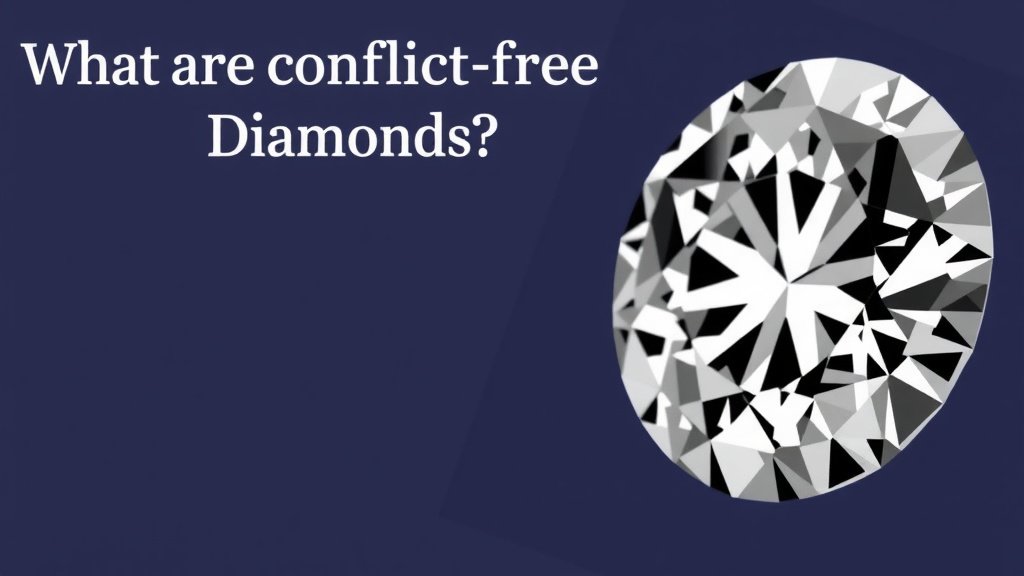
A conflict-free diamond is a diamond that is mined and sold without contributing to funding armed conflict or human rights abuses. When you choose a conflict-free diamond, you ensure your purchase supports ethical sourcing and fair labor practices. It’s about buying a beautiful stone with a clear conscience.
This ethical standard is often referred to as the Kimberley Process. This is a certification system designed to prevent conflict diamonds from entering the mainstream market. While not perfect, it’s a widely accepted international standard aimed at responsible diamond mining.
- Conflict-free diamonds are ethically sourced.
- They are certified to avoid funding wars or abuse.
- The Kimberley Process is a key certification.
- Your purchase supports fair labor and responsible mining.
- It helps ensure your diamond has a positive origin story.
We’ve researched how to ensure your diamond is ethically sourced. Let us walk you through what makes a diamond truly conflict-free so you can make an informed choice.
“`htmlUnderstanding Ethically Sourced Diamonds
So, what exactly makes a diamond conflict-free? It’s all about tracing its journey from the earth to your jewelry box. A conflict-free diamond means it wasn’t mined or sold to finance rebel groups or fund violent conflicts. You’re basically ensuring your beautiful stone has a clean past.
This concept is closely tied to the Kimberley Process Certification Scheme. Think of it as a global diamond passport system. It aims to stop rough diamonds from areas controlled by armed opposition groups from entering the legitimate trade. We’ll dive deeper into how this works soon.
The History: Why “Conflict-Free” Matters
The need for “conflict-free” diamonds became glaringly obvious in the late 1990s and early 2000s. Diamonds mined in certain African countries were being used to fund brutal civil wars. These diamonds were often called “blood diamonds.” Tragically, they fueled violence and human suffering.
For example, Sierra Leone faced immense devastation. Diamonds were traded for weapons, leading to horrific atrocities. Many experts and organizations recognized this as a major problem. They wanted to ensure the jewelry industry wasn’t indirectly supporting such terrible acts. This push led to the creation of standards like the Kimberley Process.
The “Blood Diamond” Crisis
You might have heard the term “blood diamond” in movies or news. It refers to diamonds that are mined in war zones. The profits from these stones are then used to fund military action against legitimate governments. This cycle of violence and exploitation is heartbreaking.
We found that millions of people were displaced or killed because of this diamond trade. Entire communities were destroyed. It was a stark reminder that beauty can sometimes come at a terrible cost if we aren’t careful about its origins. This is why ethical sourcing is so important today.
How Diamonds Become Conflict-Free: The Kimberley Process
The Kimberley Process (KP) is the main international system designed to prevent conflict diamonds from entering the mainstream market. It’s a joint initiative of governments, civil society, and the diamond industry. The goal is simple: to ensure that rough diamonds can’t be used by rebel movements to finance wars against governments.
Here’s how it generally works: KP participating countries implement a certification scheme. Each import and export of rough diamonds must be accompanied by a KP certificate. This certificate guarantees that the diamonds are conflict-free. It’s like a seal of approval at every step of the journey.
Key Components of the Kimberley Process
The KP has several requirements that member countries must follow. These include setting up internal controls over diamond production and trade. They also need to ensure that only KP-certified shipments cross their borders. Many countries have established specific government departments to oversee this process.
Participation in the KP is voluntary for countries. However, once a country joins, it must adhere to the rules. The scheme covers about 99.8% of the world’s rough diamond production. It’s a pretty impressive global effort to bring accountability to the diamond trade.
Limitations and Criticisms of the KP
While the Kimberley Process has been a significant step forward, it’s not a perfect system. Some critics argue that it doesn’t go far enough. For instance, it focuses strictly on conflict financing. It doesn’t always address other issues like poor labor conditions, environmental damage, or smuggling that might occur after a diamond is certified.
We found that human rights organizations sometimes raise concerns about how the KP is implemented. There have been instances where diamonds from countries with human rights abuses, but not active armed conflict, have still been traded. It’s a complex issue, and continuous improvement is always a topic of discussion among stakeholders.
Beyond the Kimberley Process: Ensuring Ethical Sourcing Today
Because of these limitations, many jewelers and consumers look for additional assurances beyond the basic KP certification. The industry has seen a rise in traceability initiatives. This means knowing exactly where a diamond came from, not just that it’s “conflict-free.”
This often involves tracking diamonds from mine to market through sophisticated technologies. Blockchain technology is one example being explored. It creates a secure, immutable record of a diamond’s journey. This transparency helps build even greater confidence for buyers.
What Jewelers Are Doing to Help
Reputable jewelers understand that consumers care deeply about the origin of their stones. Many have implemented their own strict sourcing policies. They often work with specific mines or suppliers who can demonstrate ethical practices beyond the KP requirements.
Some jewelers also focus on recycled diamonds or lab-grown diamonds. Recycled diamonds are existing diamonds that are re-polished and set into new jewelry. Lab-grown diamonds are created in a laboratory, so their origin is entirely controlled and ethical by nature. These are excellent options if you want to be absolutely certain about your diamond’s journey.
Your Role as a Consumer
As a buyer, you have power! Don’t hesitate to ask questions. A good jeweler should be happy to tell you about their sourcing practices. They should be able to provide information about where their diamonds come from and any certifications they hold.
Here’s a quick checklist to help you on your journey:
- Ask about the diamond’s origin.
- Inquire about their sourcing policies.
- Look for jewelers who offer traceable diamonds.
- Consider recycled or lab-grown options.
- Trust your gut – if something feels off, seek another jeweler.
We found that doing a little research upfront can make a big difference. It ensures that the sparkle in your diamond comes from joy, not from a troubled past.
“`Conclusion
Choosing a conflict-free diamond means you’re selecting a stone with a positive origin story. You’ve learned how the Kimberley Process works to prevent diamonds from funding conflict. You also know about additional steps like traceability and other ethical sourcing options. Your purchase can reflect your values and support fair practices. Before you buy, ask your jeweler about their sourcing policies. This research ensures your diamond’s sparkle truly comes from a place of joy and integrity.
Frequently Asked Questions
What is the difference between a “conflict-free” diamond and a “blood diamond”?
A conflict-free diamond is one that is certified to not have funded armed conflict. The term “blood diamond” specifically refers to diamonds mined in war zones and sold to finance insurgencies or warlord activities. While conflict-free is the standard for ethical sourcing, blood diamonds are the dangerous product of that system.
Does the Kimberley Process guarantee a diamond is ethically sourced in every way?
The Kimberley Process primarily focuses on preventing rough diamonds from funding conflict. It doesn’t always cover other ethical concerns like poor labor conditions or environmental impact. Some jewelers go beyond KP certification to ensure broader ethical standards are met.
How can I be sure a jeweler is telling me the truth about a diamond’s origin?
You can build trust by asking direct questions about their sourcing. Look for jewelers who are transparent about their supply chain and offer documentation or traceability for their diamonds. Reputable jewelers are usually happy to discuss their ethical practices.
Are lab-grown diamonds considered conflict-free?
Yes, lab-grown diamonds are inherently conflict-free. They are created in a controlled laboratory environment, so their origin is fully traceable and does not involve mining in conflict zones or potential human rights issues. They offer a clear ethical alternative.
What should I do if a jeweler can’t provide details about a diamond’s origin?
If a jeweler is unable or unwilling to provide information about a diamond’s origin or their sourcing policies, it’s a good sign to look elsewhere. You have the power to choose jewelers who prioritize transparency and ethical sourcing. Don’t hesitate to seek out another retailer.