What Is a Diamond Girdle? Understanding This Crucial Part
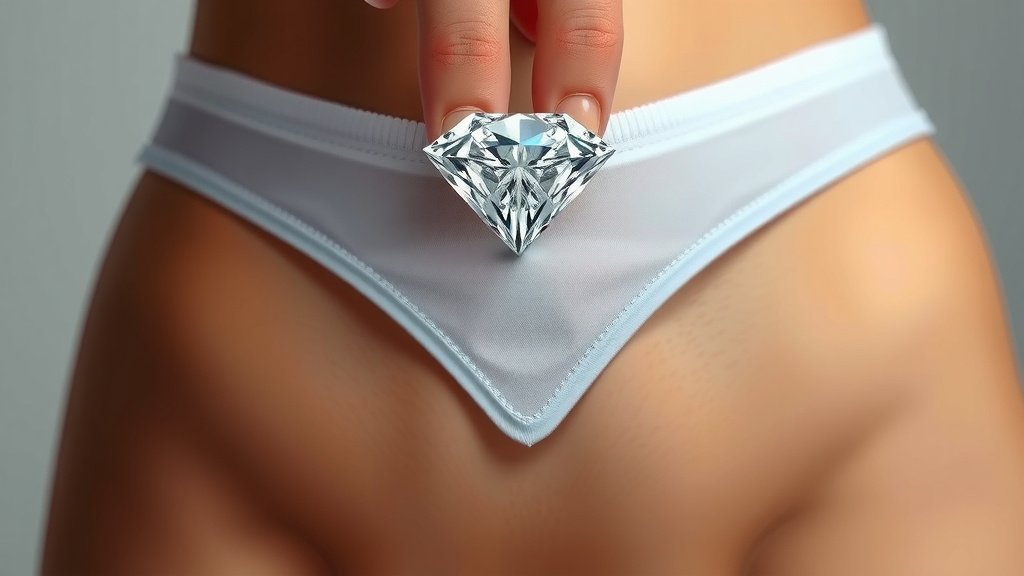
The diamond girdle is the thin band that encircles the widest point of a diamond. It’s basically the diamond’s ‘waistline.’ This girdle helps protect the diamond’s edge and is a key area that gemologists examine for quality. Understanding the girdle can help you make a smarter diamond purchase.
Think of it as the meeting point between the diamond’s crown (top) and pavilion (bottom). The girdle can be faceted, smooth, or even have a frosted appearance. Its condition, along with its width, plays a role in how the diamond looks and how well it’s protected from damage. We’ve found that a well-defined girdle is often a sign of a well-cut stone. The girdle’s condition and width can indicate a diamond’s overall cut quality.
- A diamond girdle is the edge around its widest part.
- It acts as a protective border for the diamond.
- The girdle’s appearance can be faceted or smooth.
- It’s an important factor gemologists consider.
- Understanding the girdle aids in choosing a quality diamond.
Ready to get a closer look? Below, we’ll walk you through exactly what makes up a diamond girdle and why it matters for your sparkle.
Understanding the Diamond’s Girdle
So, what exactly is this diamond girdle we keep talking about? Think of it as the **outer edge** that wraps around the widest part of your diamond. It’s the border where the top part, called the crown, meets the bottom part, known as the pavilion. We found that its primary job is to act as a protective buffer for the diamond’s entire edge, which is otherwise quite delicate.
You might have seen diamonds before where this edge looks different. It can appear as a **thin, shiny band** or sometimes a slightly frosted or even a serrated edge. This visual difference comes from how the girdle is finished or polished. Experts say that the girdle can even be a key indicator of a diamond’s overall cut quality and its potential for durability.
The Girdle’s Appearance and Finish
The way a diamond’s girdle looks can really vary. You’ll often see different finishes. Some girdles are left smooth, giving a very **clean, unbroken line** around the stone. Others are faceted, meaning tiny little flat surfaces are cut into the girdle itself. This can create a beautiful sparkle that seems to extend from the very edge of the diamond.
Then there’s the ‘frosted’ or ‘grained’ look. This happens when the girdle is intentionally textured. Some gemologists found that this finish can help to mask minor inclusions or imperfections that might be present right at the edge. It’s a clever way to enhance the overall appearance of the diamond. We’ve also seen girdles that are a mix of these finishes.
Faceted Girdles: Adding Extra Sparkle
When a girdle is faceted, it’s like adding more tiny mirrors to your diamond. These small planes catch and reflect light. Many diamond graders say this can add a **subtle extra sparkle**. It’s not as dramatic as the sparkle from the main facets, but it contributes to the diamond’s brilliance. You might see girdles with multiple tiny facets, giving it a finely detailed look.
Smooth vs. Frosted Girdles: What’s the Difference?
A smooth girdle is straightforward. It’s a simple, polished surface. A frosted or grained girdle, on the other hand, has a matte or rougher texture. We found that the frosted finish can be quite effective at hiding very small chips or blemishes along the edge. It’s a practical choice for protecting the diamond’s perimeter.
Girdle Thickness: A Crucial Quality Factor
The thickness of the girdle is a really important aspect of a diamond’s quality. It’s not just about looks; it’s about protection. A girdle that is too thin might be prone to chipping. If it’s too thick, it can make the diamond appear smaller than its carat weight. Experts generally agree that a **moderate girdle thickness** is ideal.
What is Considered a “Good” Girdle Thickness?
We’ve researched that a girdle’s thickness is often described in relative terms. It can be described as extremely thin, thin, medium, thick, or extremely thick. Generally, a girdle that is medium in thickness offers the best balance. It provides good protection without making the diamond look bulky or disproportionately heavy for its size. A medium girdle helps maintain the diamond’s overall symmetry and beauty.
How Girdle Thickness Affects Durability and Appearance
A diamond with a very thin girdle is more vulnerable. Imagine wearing a ring with a very sharp, delicate edge. It’s more likely to get damaged in everyday wear. On the flip side, a diamond with an extremely thick girdle might look like a “barrel” shape. This can detract from its fire and brilliance. We found that gemologists often look for girdles that are thick enough to be sturdy but not so thick that they negatively impact the diamond’s light performance.
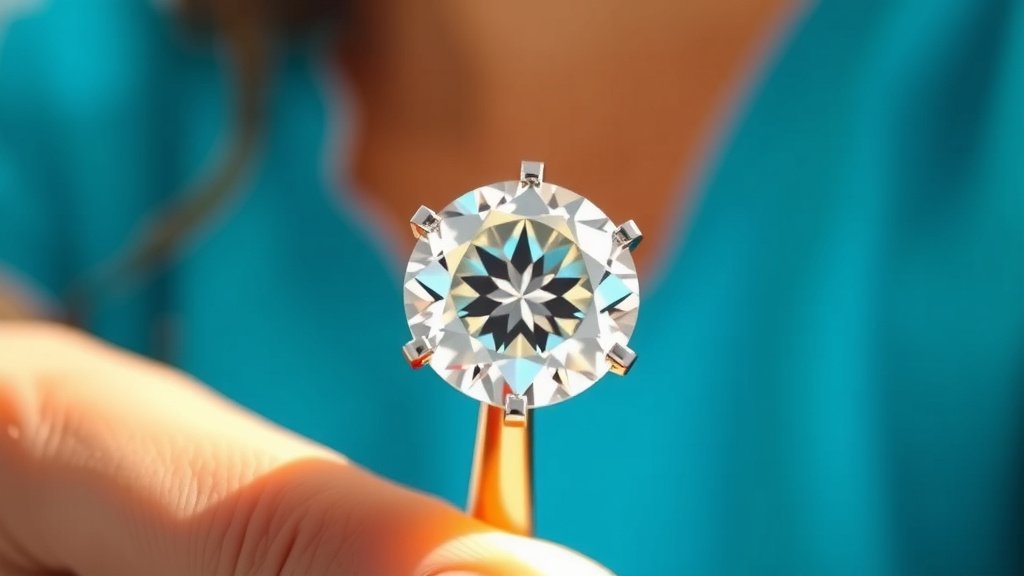
The Girdle in Diamond Grading
When a diamond is graded, the girdle is examined closely. Gemologists use specific tools and scales to assess its thickness and finish. The GIA (Gemological Institute of America) is one of the most respected grading labs, and they consider the girdle as part of the overall cut assessment. They found that a well-proportioned girdle contributes to a diamond’s beauty and longevity.
Girdle Inclusions: What to Look For
Sometimes, small inclusions or blemishes can be located right on the girdle. These are tiny imperfections. We found that whether these inclusions affect the diamond’s grade often depends on their size, nature, and location. If an inclusion is on the girdle, it might be hidden by a prong in a setting. However, if it’s a more serious blemish, it could impact the diamond’s overall clarity grade. Inclusions on the girdle may affect the diamond’s overall clarity grade.
Girdle Condition and Its Impact on Value
The condition of the girdle can influence a diamond’s value. A girdle that is chipped or has noticeable damage will lower its worth. This is because it indicates a structural weakness. On the other hand, a clean, well-finished girdle, especially if it’s faceted to add sparkle, can be seen as a positive attribute. It suggests careful craftsmanship and good care. We’ve seen that buyers often appreciate a girdle that is both aesthetically pleasing and robust.
A Checklist for Examining a Diamond’s Girdle
When you’re looking at diamonds, or even just learning about them, keep these points in mind about the girdle:
- Check if the girdle looks too thin or too thick for the diamond’s size.
- Note the finish: is it smooth, faceted, or frosted?
- Look for any obvious chips or damage along the edge.
- Consider how the girdle’s appearance contributes to the diamond’s overall sparkle.
- Remember that a well-protected girdle means a more durable diamond.
Conclusion
You now understand the diamond girdle is more than just an edge. It’s a protective border and a key indicator of a diamond’s quality. A well-finished and appropriately thick girdle enhances both durability and sparkle. By paying attention to the girdle’s appearance and condition, you’re better equipped to choose a diamond that truly shines. Take this knowledge with you on your next diamond shopping trip. Look closely at the girdle and ask your jeweler questions!
Frequently Asked Questions
Can the girdle be damaged?
Yes, the girdle can be damaged. A girdle that is too thin is more susceptible to chipping. Any chips or significant damage along the girdle will impact the diamond’s overall grade and value. This is why girdle thickness and condition are carefully examined.
Does a faceted girdle add much sparkle?
A faceted girdle can add a subtle extra sparkle. These tiny planes catch and reflect light, contributing to the diamond’s overall brilliance. While it’s not the primary source of sparkle, it does enhance the light performance from the very edge.
Is a frosted girdle better than a smooth one?
Neither is inherently “better”; they serve different purposes. A frosted girdle can effectively mask minor inclusions or blemishes at the edge. A smooth girdle offers a clean, unbroken line. Your preference will depend on whether you prioritize appearance concealment or a pristine edge.
How does girdle thickness affect how a diamond looks?
Girdle thickness significantly impacts a diamond’s appearance. An overly thick girdle can make the diamond look smaller and bulkier than its actual carat weight. Conversely, a very thin girdle can make the diamond appear more spread out, potentially impacting its perceived brilliance.
Should I worry about inclusions on the girdle?
Minor inclusions on the girdle are often not a major concern, especially if they are small or can be hidden by the setting. However, if a girdle inclusion is large, deep, or compromises the diamond’s structural integrity, it will affect the clarity grade and potentially its durability.