What Is a Diamond Pendant Necklace? A Complete Guide
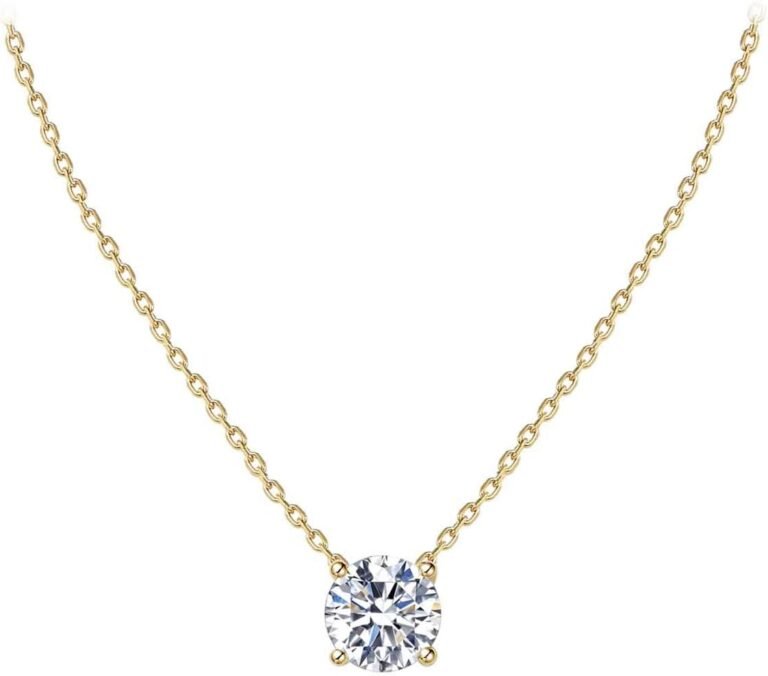
A diamond pendant necklace is a simple chain with a single diamond (or a cluster of diamonds) suspended from it, designed to sit near your collarbone. It is one of the most versatile and personal pieces of jewelry you can own, working for everything from everyday wear to formal events.
This type of necklace is loved because it is understated yet noticeable, and it can be worn by almost anyone, regardless of age or style. We found that most people choose a diamond pendant for its symbolic meaning, whether that’s a gift for a milestone or a treat for yourself. The design focuses on the diamond itself, making the stone the true star of the show.
- It is a pendant, not a necklace: The diamond hangs from a chain; the chain is just the support system.
- It fits any budget: You can find them with small, affordable diamonds or large, high-value stones.
- It is highly customizable: You pick the diamond shape, the metal for the chain, and the length.
- It is a safe gift choice: Because they are classic, they rarely go out of style or miss the mark.
- It is practical: Unlike rings or bracelets, a pendant is less likely to get in the way during your day.
Below, we break down everything you need to know about diamond pendant necklaces, from the different setting styles to how to pick the right chain length for your neckline.
Understanding the Diamond Pendant Necklace Basics
A diamond pendant necklace is really just a chain with a diamond hanging from it. That’s it. But the simplicity is what makes it so special. The chain does the hard work of holding everything in place, but the diamond gets all the attention. We found that most people don’t realize how much thought goes into picking the right combination of chain and stone.
Think of it like a picture frame. The chain is the frame, and the diamond is the artwork. You wouldn’t hang a masterpiece in a flimsy frame, right? Same idea applies here. You need a chain that’s strong enough to hold the stone securely, but also pretty enough to complement it.
How a Pendant Differs from Other Necklaces
You might wonder what makes a pendant different from a regular necklace. Well, a standard necklace just sits around your neck on its own. A pendant has a focal point — the diamond — that dangles below the chain line. This little difference changes everything about how it looks and how you wear it.
We found that people often confuse pendant necklaces with chokers or collar necklaces. A choker fits snug against your throat. A pendant hangs lower. It moves when you move. It catches the light when you walk. That subtle movement is part of the charm, honestly.
Diamond Setting Styles Explained
The setting is how the diamond is attached to the pendant piece. This matters a lot because it affects both the look and the security of the stone. You don’t want a diamond that wiggles loose after a few months of wear. We found that the most popular settings balance beauty with durability.
Prong Settings for Maximum Sparkle
Prong settings use small metal claws to hold the diamond in place. Usually four or six prongs. This style lifts the diamond up so light can hit it from all angles. Many experts say prong settings give you the most brilliance for your money. That’s why solitaire pendants almost always use this method.
The downside? Prongs can snag on sweaters or hair. But regular checks at a jeweler can keep everything tight. We found that most people are willing to trade a little maintenance for that extra sparkle.
Bezel Settings for a Modern Look
A bezel setting wraps a thin metal rim completely around the diamond. It’s like a little cradle for the stone. This makes the pendant feel sleeker and more modern. It also protects the diamond edges from chips and scratches. Perfect for people with active lifestyles.
We found that bezel settings are growing in popularity. They give you the diamond look without the “stick out” factor. Plus, they sit flatter against your chest, which feels more comfortable for daily wear. If you’re clumsy like us, this might be your best friend.
Pavé and Halo Settings for Extra Glam
Sometimes one diamond just isn’t enough. Pavé settings cover the pendant metal with tiny diamonds. Halo settings surround a center diamond with a ring of smaller stones. Both options create a bigger, brighter look without needing a giant center stone.
These settings are great if you want maximum shine on a budget. The small diamonds add tons of sparkle. We found that people who love statement jewelry gravitate toward these styles. Just know that more diamonds mean more surfaces to clean.
Choosing the Right Chain for Your Pendant
The chain is the unsung hero of the diamond pendant necklace. A great diamond on a flimsy chain is a disaster waiting to happen. We found that chain selection should actually come before the pendant design in your decision process. You need to know what you’re hanging the stone on.
Chain Styles That Work Best
Not all chains are created equal. Some are better for heavier pendants, while others suit light, delicate stones. Here’s what we found after looking at what most jewelers recommend:
- Cable chains: The classic round links. Strong and reliable for everyday wear.
- Box chains: Square links that lay flat. They look uniform and sturdy.
- Rope chains: Twisted links that catch light well. Great for showing off.
- Snake chains: Smooth and sleek, but can kink if bent out of shape.
For a heavier diamond, you want a chain with thicker links. A delicate 16-inch chain can’t hold a 2-carat stone safely. Match the chain weight to the pendant weight. Simple rule, but it saves you from heartbreak.
Chain Lengths and Where They Fall
Chain length changes how the pendant sits on your body. That changes the whole vibe of the necklace. We found that different lengths work for different necklines and occasions. Here’s a quick breakdown of your options:
| Length | Where It Falls | Best With |
|---|---|---|
| 16 inches | Base of the neck | Low-cut tops, formal wear |
| 18 inches | Collarbone | Most everyday outfits |
| 20 inches | Just below collarbone | Casual shirts, sweaters |
| 24 inches | Chest area | Layered looks, long necklaces |
Most people choose 18 inches for versatility. It hits right at the collarbone, which flatters most necklines. If you’re shorter, a 16-inch might feel better. If you’re taller, go longer. We found that trying on different lengths is the only way to truly know.
Diamond Quality Factors You Should Know
Not all diamonds are equal. You’ve probably heard of the 4 Cs: cut, color, clarity, and carat weight. These factors determine the diamond’s beauty and price. We found that understanding these basics helps you avoid overpaying for a pendant that doesn’t sparkle the way you expect.
Cut Matters Most
The cut controls how light enters and exits the diamond. A well-cut diamond reflects light brilliantly. A poorly cut one looks dull, even if it’s huge. Many guidelines point to cut as the most important factor when choosing a diamond (GIA). Don’t skip on cut quality to save a few bucks.
When shopping, ask about the cut grade. Excellent or Ideal grades give you the most sparkle. Good is acceptable, but Fair or Poor will disappoint you. We found that people regret skimping on cut more than any other factor.
The Impact of Color and Clarity
Color grades range from D (colorless) to Z (light yellow). For pendants, we found that near-colorless grades like G or H look beautiful. They’re more affordable than colorless diamonds, and the difference is invisible once the diamond is set in metal.
Clarity measures internal flaws called inclusions. Most inclusions are invisible to the naked eye. For pendant necklaces, you can go for SI1 or SI2 grades and still have a gorgeous stone. The pendant is small, so tiny flaws aren’t noticeable. Save your money for a bigger cut.
What Does a Diamond Pendant Symbolize?
Diamonds carry meaning beyond their sparkle. We found that people choose pendant necklaces to mark major life moments. It’s a personal symbol that you carry close to your heart. The meaning makes the necklace more special than the sum of its parts.
A diamond pendant can symbolize love, commitment, or a fresh start. It can also be a reminder of a loved one or an achievement. The versatility of the meaning is why it’s such a popular gift. You can tailor the symbolism to the person receiving it.
Common Gift Occasions
Some moments call for something meaningful. Diamond pendants show up again and again for:
- Birthdays and anniversaries
- Graduations and career milestones
- Weddings and bridesmaid gifts
- New motherhood or baby showers
- Self-purchase milestones like a promotion
We found that purchasing jewelry for oneself is rising in popularity. It’s not always about receiving. Sometimes you just want to celebrate your own hard work. A diamond pendant is a perfect way to do that.
How to Match a Diamond Pendant to Your Style
Your pendant should feel like you. Not like a copy of someone else’s style. We found that matching the pendant to your daily wardrobe helps you actually wear it. A necklace that sits in a jewelry box does nobody any good.
Classic Solitaire for Everyday Wear
The single diamond solitaire is timeless. It goes with everything from jeans to cocktail dresses. If you want a piece you’ll never take off, this is the one. The clean design pairs well with any metal chain and any neckline.
We found that square or round solitaire shapes work best for everyday versatility. They look professional at work and elegant on weekends. You can dress them up or down without thinking twice.
Statement Pendants for Bold Personalities
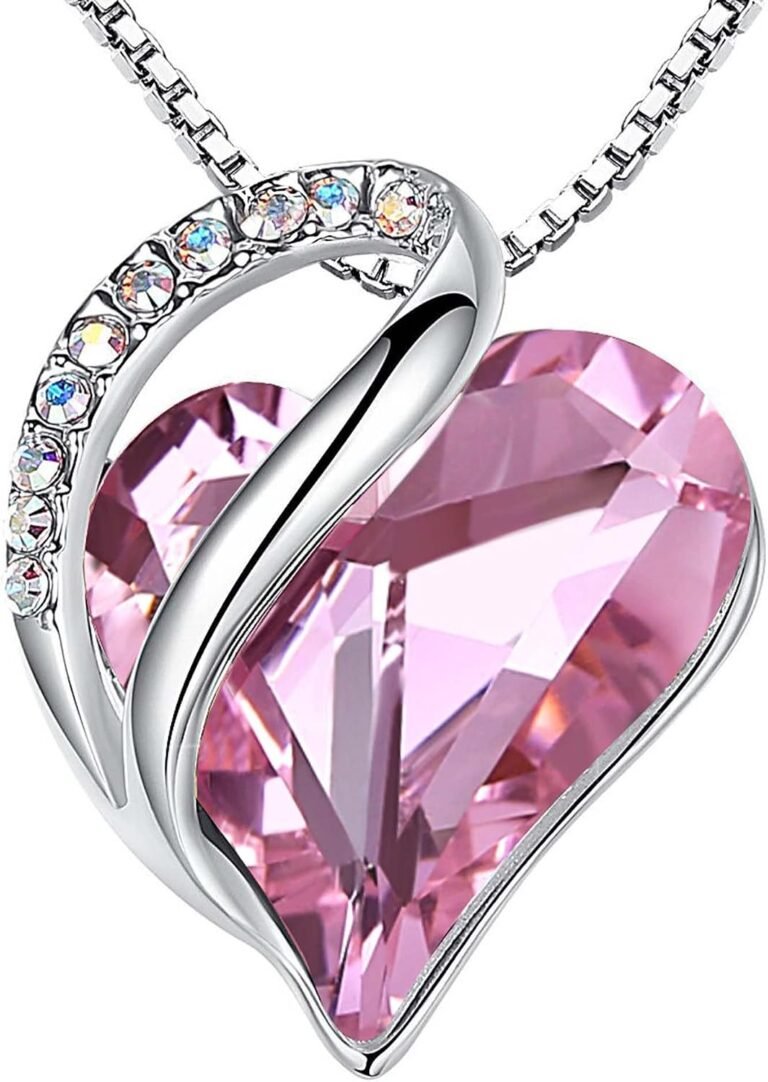
Maybe you like a little drama. Statement pendants feature larger diamonds or unusual shapes like pear or marquise. These pieces demand attention. They work best with simple outfits to let the necklace shine. Pair them with a plain crewneck or collared shirt.
We recommend caution with statement pendants for daily desk jobs. They can catch on office chairs or bump against tables. Save the big stones for nights out and social events. Your collarbone will thank you.
How to Care for Your Diamond Pendant Necklace
Diamonds are tough, but they’re not invincible. The metal holding your stone needs regular care too. We found that a simple routine keeps your necklace looking new for years. It’s not complicated, but consistency is key.
Basic Cleaning at Home
You can clean your pendant with warm soapy water. Use mild dish soap and a soft toothbrush. Gently scrub the diamond and the setting. Rinse and pat dry with a lint-free cloth. Do this every few weeks to remove daily buildup of oils and lotion.
We found that skipping this buildup is the number one reason jewelry looks dull. It’s not the diamond losing shine — it’s just dirty. A quick swish in soapy water restores that sparkle immediately. Anyone can do it at home.
Professional Checks
At least once a year, take your necklace to a jeweler. They will check prongs, clasps, and chain links for wear. Catching a loose prong early saves you from losing a diamond. Many jewelers offer this inspection for free, especially if you bought the piece there.
We found that people who do annual checks rarely lose stones. It’s a simple prevention step. A loose chain is also easy to fix if caught early. Don’t wait until the chain breaks to get help.
Buying a Diamond Pendant: Key Checklist
Before you hand over your money, run through this checklist. We put it together based on what experienced buyers always check. It keeps you from making an impulse mistake you’ll regret later.
- Check the metal quality: Look for 14k or 18k gold, platinum, or sterling silver stamps.
- Check the clasp: Make sure it snaps securely and doesn’t slip open easily.
- Look for a certificate: A reputable diamond should come with grading paperwork.
- Check the prongs: Look closely at the settings where the diamond meets the metal.
- Clasp attachment: Is the pendant attached to the chain securely with a solid jump ring?
- Return policy: Always know the return window before you purchase.
Take your time in the store. Try the necklace on. Move around with it. Walk, bend, and lean forward. If the pendant flips upside down or feels awkward, ask for a different chain adjustment. A good jeweler will work with you until it feels perfect.
Finding the Right Fit for Your Budget
You don’t need to spend a fortune to own a beautiful diamond pendant. We found that smart choices in carat size and diamond quality keep costs reasonable. A smaller, well-cut diamond often looks better than a larger, poorly cut one.
Consider lab-grown diamonds
Conclusion
You now know what a diamond pendant necklace is, how to pick the right setting, and why the chain matters just as much as the stone. The key is matching your choice to your lifestyle, your budget, and your personal style. You don’t need a huge diamond to make a statement. A well-cut stone in the right setting will always catch the light.
Start simple. Pick an 18-inch chain and a classic solitaire pendant for your first piece. That combination works for almost everyone and every occasion. Once you have that, you can branch out into halos, bezels, or statement shapes. Take your time, check the quality marks, and always buy from a jeweler you trust. Your perfect pendant is out there waiting for you.
Frequently Asked Questions
Can you wear a diamond pendant necklace every day?
Yes, you absolutely can. A diamond pendant is one of the few pieces of jewelry designed for daily wear. Just choose a bezel or prong setting with a secure chain. Take it off before swimming, showering, or working out to keep it looking its best.
What is the best metal for a diamond pendant chain?
14k gold is the sweet spot for most people. It’s strong enough for daily wear and more affordable than platinum. White gold gives you a modern look, while yellow gold feels classic and warm. Sterling silver works for smaller diamonds, but it bends more easily with heavier stones.
Is a smaller diamond pendant worth buying?
Absolutely. A smaller, high-quality diamond often looks better than a bigger stone with poor cut grade. Pendants sit close to your face, so people notice sparkle over size. You get more brilliance for your money when you prioritize cut over carat weight.
Should I buy a lab-grown diamond pendant instead of natural?
Lab-grown diamonds are a smart option if you want a larger stone on a budget. They have the same physical and chemical properties as natural diamonds. The choice comes down to personal preference and budget. Many jewelers now offer both, so you can compare side by side.
How do I know if my diamond pendant is good quality?
Look for a grading certificate from a reputable lab like GIA or AGS. Check the metal stamps for 14k, 18k, or platinum. You should also examine the prongs and clasp for signs of weak craftsmanship. If anything feels loose or flimsy, walk away from the purchase.