What Is a Filigree Ring? Uncovering This Elegant Jewelry Style
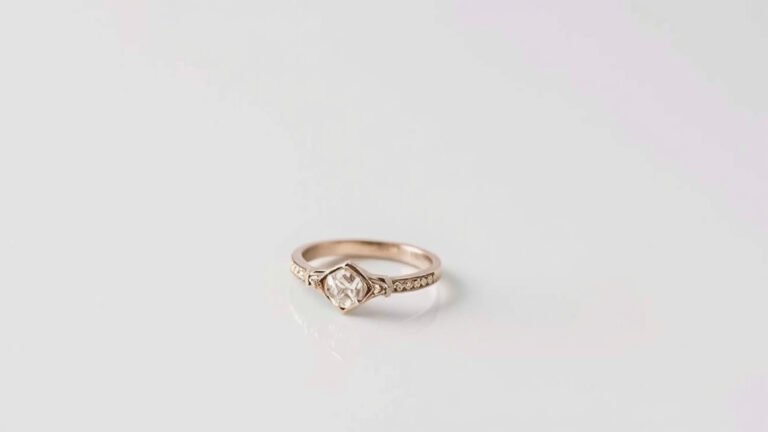
A filigree ring is a type of jewelry featuring delicate, lace-like metalwork. This detailed design is created by twisting thin wires into elaborate patterns. You’ll often see filigree rings adorned with tiny beads or gemstones, adding extra sparkle.
This beautiful technique has been around for centuries. It requires a high level of skill to twist and shape the metal so finely. Many antique rings showcase this stunning craftsmanship, making them quite collectible. Understanding filigree helps you appreciate its artistic value and unique beauty.
- Filigree rings are made with twisted metal wires.
- They feature intricate, lacy patterns.
- Tiny beads or gems can be added.
- This jewelry style is very old and skillful.
Let’s dive into the wonderful world of filigree rings and discover what makes them so special.
Understanding the Art of Filigree Jewelry
A filigree ring is more than just a piece of adornment; it’s a tiny sculpture of metal. It’s defined by its exquisite, delicate patterns. These designs often look like fine lace or fine metal threadwork. Imagine a metal craftsman twisting and shaping wires so thin they seem almost impossibly delicate. That’s the essence of filigree.
This jewelry-making technique is ancient. Its roots go back thousands of years. You’ll find examples from many different cultures and eras. The skill required is immense. It involves heating and drawing out metal into very fine threads. These threads are then coiled, twisted, and soldered together. The result is a lightweight yet strong piece of art.
What Makes Filigree Rings So Unique?
The beauty of filigree lies in its detail and lightness. Unlike solid metal jewelry, filigree pieces have open spaces. This creates an airy, almost ethereal quality. Think of it like a spiderweb spun from precious metal. Each piece is a testament to the artisan’s patience and precision.
The Craftsmanship Behind the Sparkle
Creating filigree jewelry is a labor of love. It’s also a highly skilled craft. Artisans use tools that are often specially made. They might use tweezers, small hammers, and soldering irons. The metal wires can be as thin as human hair. They are carefully bent and formed into swirls, scrolls, and geometric shapes. These tiny elements are then joined together with tiny drops of solder. This process requires a steady hand and sharp eyes.
Sometimes, tiny beads of metal, called granulation, are added. These add texture and depth. Gemstones are also often incorporated. They are usually set in ways that complement the delicate metalwork. This could be in a small bezel setting or as a focal point amidst the swirling wires. The goal is always to enhance the overall design.
Materials Used in Filigree Rings
Filigree rings are typically made from precious metals. You’ll most often find them in:
- Gold: Yellow gold is very common, especially in vintage pieces. White gold and rose gold are also used.
- Silver: Sterling silver is a popular choice. It’s more affordable and still allows for beautiful detail.
- Platinum: This strong, white metal is less common for filigree due to its hardness. It makes the fine wire work more challenging to produce.
The choice of metal impacts the final look and cost. Gold offers warmth and richness. Silver provides a bright, classic appeal. Whichever metal is used, the focus remains on the intricate design.
A Glimpse into Filigree’s Rich History
The art of filigree isn’t new. It’s an ancient technique found across the globe. Evidence suggests its use in Mesopotamia as early as 3000 BC. Ancient Egyptians also created stunning filigree jewelry.
Later, the Greeks and Romans perfected the art. They used fine gold wire to create elaborate designs. This tradition continued through the Byzantine Empire. During the Renaissance, filigree saw a resurgence. Many artists incorporated it into their work. This period is known for its highly decorative styles.
In the Victorian era, filigree jewelry became incredibly popular. Queen Victoria herself favored pieces made with this technique. Many beautiful antique filigree rings you see today date from this time. They often feature floral motifs, intricate scrollwork, and sometimes pearls or small diamonds. Collecting Victorian filigree can be very rewarding.
Identifying a True Filigree Ring
How can you tell if a ring is genuine filigree? Look for these key characteristics:
- Delicate Wirework: You should see fine, twisted, or coiled metal wires forming the pattern.
- Openwork Design: There will be visible spaces within the metal design. It won’t be a solid piece.
- Lace-like Appearance: The overall impression should be delicate and intricate, much like fine lace.
- Handcrafted Feel: Even in mass-produced pieces, there’s often a subtle unevenness that hints at hand assembly.
Sometimes, jewelry might have a filigree *style* that is stamped or molded. This will look flatter and less dimensional than true, hand-formed filigree. True filigree has a beautiful depth and texture.
Caring for Your Filigree Treasure
Because filigree jewelry is so delicate, proper care is essential. You want to keep it looking beautiful for years to come. Think of it like caring for a delicate piece of antique lace.
Daily Wear Considerations
Is a filigree ring suitable for everyday wear? It depends on the ring and your lifestyle. For very active individuals, a filigree ring might not be the best choice for daily wear. The fine wires can snag or bend if exposed to rough treatment.
Many people choose to wear their filigree rings on special occasions. This helps protect them. If you do wear it daily, be mindful of activities. Avoid wearing it while doing chores, exercising, or engaging in sports. A little awareness goes a long way.
Cleaning and Storage Tips
When it’s time to clean your filigree ring, be gentle. Harsh chemicals can damage the metal or any gemstones. A soft brush, like a baby toothbrush, can be useful.
Use warm water and a mild soap. Gently brush away any dirt or oils. Rinse thoroughly with clean water. Dry it completely with a soft, lint-free cloth. Avoid ultrasonic cleaners, as the vibrations can be too harsh for delicate filigree work.
Storage is also key. Keep your filigree ring separate from other jewelry. This prevents scratches and tangles. A small jewelry box with individual compartments is ideal. You could also use a soft pouch. Protecting it from air and moisture is good practice too.
Filigree Rings: A Checklist for Appreciating Their Beauty
To truly appreciate your filigree ring, take a moment to look closely. Consider these points:
- Note the thinness of the metal wires.
- Examine the tiny solder points holding it together.
- Admire the symmetry or artistic flow of the pattern.
- See how light plays through the openwork.
- Consider the skill and time it took to create.
- Imagine the hands that crafted it centuries ago.
Each filigree ring tells a story. It’s a story of artistry, history, and delicate beauty. You’re wearing a piece of wearable art. Isn’t that something special?
Conclusion
You’ve now seen what makes filigree rings so captivating. They are more than just jewelry; they are tiny works of art. The delicate wirework and lace-like patterns are a result of incredible skill. From ancient civilizations to Victorian elegance, filigree has always held a special charm. Remember to care for your filigree piece gently to preserve its beauty. If you’re drawn to its unique artistry, consider adding a filigree ring to your collection. You’ll be wearing a piece of history and craftsmanship.
Frequently Asked Questions
Is filigree jewelry durable enough for daily wear?
Filigree rings are delicate by nature due to their fine wire construction. While some robustly made filigree pieces can handle light daily wear, it’s generally recommended to reserve them for special occasions or when you can be mindful of your activities. Rough handling can cause snagging or bending of the delicate metalwork.
What is the difference between stamped and hand-formed filigree?
True filigree is handcrafted, with thin wires meticulously twisted, coiled, and soldered by an artisan. Stamped or molded filigree often mimics the look but appears flatter and less dimensional. You can often spot the difference by looking for the depth and subtle imperfections that point to a handcrafted origin.
Are filigree rings always made of gold or silver?
Gold and sterling silver are the most common metals used for filigree rings, offering warmth and classic appeal, respectively. While platinum can be used, it’s less common because its hardness makes creating the very fine wire work more challenging. You might also find pieces in other alloys.
How should I clean a filigree ring?
Clean your filigree ring gently with warm water and mild soap. Use a very soft brush, like a baby toothbrush, to carefully remove dirt. Rinse thoroughly and dry with a soft, lint-free cloth. Avoid harsh chemicals and ultrasonic cleaners, as the vibrations can damage the delicate metal.
Where can I find antique filigree rings?
You can often find antique filigree rings at estate sales, antique jewelry stores, and reputable online auction sites or vintage jewelry dealers. Look for sellers who specialize in antique or Victorian pieces, and always check for clear descriptions and detailed photos of the ring’s condition and craftsmanship.