Which Finger for a Wedding Ring The Symbolism Explained
The tradition of wearing a wedding ring on your fourth finger, also known as the ring finger, is rooted in historical beliefs. This practice is widely observed across many cultures, making it the most common choice for wedding rings. This tradition dates back centuries and has strong historical ties.
While the fourth finger is the most common, you might wonder about other options or reasons. Some couples choose different fingers for practical reasons or personal preference. Understanding the history and symbolism behind this tradition can be quite interesting. We’ve researched common practices and expert opinions.
- The traditional finger for a wedding ring is the fourth finger.
- This is commonly called the ring finger.
- Historical beliefs often link this finger to the heart.
- Cultural traditions heavily influence this choice.
- Personal preference also plays a role for some couples.
Below, we’ll walk you through the common reasons and traditions behind this choice. We will also touch on when couples might opt for a different finger for their special ring.
Where Does a Wedding Ring Typically Go?
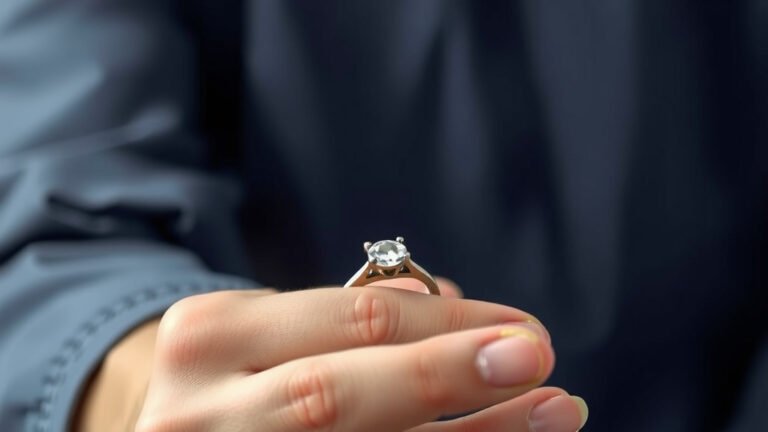
You’re likely wondering about the perfect finger for your wedding ring. The most common and widely accepted tradition places the wedding ring on the fourth finger of your left hand. This finger is often called the ring finger.
But why this specific finger? The reasons are a blend of history, symbolism, and cultural practices. We’ve found that most people follow this tradition without question. It’s become so ingrained that it feels like the only option. You might also be interested in learning what an engagement ring symbolizes.
The Ancient Origins of the Ring Finger Tradition
The practice of wearing a wedding ring on the fourth finger of the left hand dates back centuries. Its roots are often traced to ancient Roman beliefs and even earlier. These beliefs centered around a romantic notion of a direct connection to the heart.
The Vena Amoris: A Romantic Myth
The most popular historical explanation involves the Vena Amoris, or “vein of love.” Ancient Romans believed that a vein ran directly from this fourth finger straight to the heart. Imagine that! This idea made the finger seem especially suitable for a symbol of love and commitment.
While modern anatomy tells us this specific vein doesn’t exist, the sentiment has persisted. It’s a beautiful thought, connecting your ring finger directly to your core emotions. Many couples still cherish this romantic symbolism today.
Influence of Ancient Egyptian Practices
Some research suggests that the tradition may have even earlier origins with the ancient Egyptians. They are believed to have exchanged rings made of braided reeds or leather. These were often worn on the fourth finger of the left hand. For them, the circle of the ring symbolized eternity.
The Egyptians, too, may have believed in a connection between this finger and the heart. They saw the ring as a symbol of everlasting love. This ancient practice likely paved the way for later traditions.
Cultural and Religious Significance
Over time, the tradition spread and was adopted by different cultures and religions. Each added its own layer of meaning and practice. It’s fascinating how a simple gesture can be so universally understood yet hold diverse interpretations.
Christian Traditions and Marriage Symbolism
In many Christian traditions, the priest would touch the thumb, index, and middle fingers while saying, “In the name of the Father, the Son, and the Holy Spirit.” The ring was then placed on the fourth finger. This ritual further cemented the finger’s role in wedding ceremonies.
The ring itself became a symbol of fidelity and the unending covenant of marriage. The left hand was often chosen because it’s considered the “weaker” or less dominant hand for most people. This symbolized the wife’s submission to her husband, a historical concept that has evolved significantly.
Global Variations and Adaptations
While the left fourth finger is most common in Western cultures, other countries have different customs. In some European countries, like Germany, Poland, and Russia, the wedding ring is traditionally worn on the right hand. This is often the fourth finger of the right hand.
India has diverse traditions, with some wearing rings on the left or right hand depending on regional customs and personal beliefs. It really shows that there isn’t just one “right” way. The key is what feels right for you and your partner.
Practical Considerations for Ring Placement
Beyond tradition and symbolism, practicalities sometimes play a role. Your daily activities and personal comfort are important factors to consider. What works for one person might not be ideal for another.
Dominant Hand vs. Non-Dominant Hand
Many people choose the left hand for their wedding ring because it’s their non-dominant hand. For most individuals, the left hand is less active. This means less wear and tear on the ring. It also reduces the risk of snagging or damaging the ring during everyday tasks. A standard fit ring offers a traditional feel that many people prefer.
If you are left-handed, you might naturally lean towards wearing your ring on your right hand. This offers the same protection and comfort benefits. It’s all about making your ring comfortable for daily life.
Comfort and Lifestyle
Think about your job and hobbies. Do you work with your hands a lot? Are you constantly using tools or materials that could scratch or damage a ring? If so, you might want to consider how a ring on a particular finger will hold up.
Some people even choose to wear their wedding band on a necklace chain for safety during strenuous activities or in certain professions. It’s your ring, and you get to decide how to protect it!
When Couples Choose a Different Finger
While the fourth finger is the standard, it’s not a hard-and-fast rule for everyone. Couples sometimes opt for other fingers for various reasons. Personal preference is a big one!
Personal Preference and Style
Some individuals simply prefer the look or feel of a ring on a different finger. Maybe another finger feels more balanced with other jewelry you wear. Or perhaps it just feels more “you.” Your wedding ring should reflect your personal style.
It’s also common to see engagement rings worn on the fourth finger, with the wedding band placed next to it or even stacked. Some couples like to have their engagement and wedding rings on different hands to distinguish them.
Practicalities of Ring Fit
Sometimes, certain fingers just don’t fit a ring comfortably or securely. Finger sizes can fluctuate due to temperature, diet, or health conditions. If your ring finger isn’t ideal, another finger might be a better fit.
For example, some people find their index finger or middle finger to be a more consistent size. If your wedding ring feels too loose or too tight on your traditional ring finger, don’t hesitate to explore other options. Many jewelers can also offer solutions like sizing beads or shanks.
Making the Decision for Your Wedding Ring
Ultimately, the choice of which finger for your wedding ring is a personal one. The tradition of the fourth finger is beautiful and rich in history. However, it’s not the only path to take.
We found that open communication with your partner is key. Discussing your preferences, any historical connections you value, and practical concerns will lead to a decision you both feel good about. Your wedding ring is a symbol of your unique love story.
Your Checklist for Choosing the Right Finger:
- Discuss with your partner.
- Consider historical traditions.
- Think about your dominant hand.
- Evaluate your daily activities.
- Prioritize comfort and fit.
- Choose what feels right for you.
Conclusion
You’ve learned that while the fourth finger, or ring finger, is the most traditional spot for a wedding ring, it’s truly up to you and your partner. The romantic history of the Vena Amoris and ancient customs add charm, but personal comfort and lifestyle are just as important. Whether you follow tradition or create your own, your wedding ring should beautifully represent your unique love story. Communicate openly with your partner, consider all the factors, and choose the finger that feels most meaningful and comfortable for you both.
Frequently Asked Questions
Can I wear my wedding ring on my right hand?
Yes, absolutely! Many cultures and countries traditionally wear wedding rings on the right hand, often the fourth finger. This is a perfectly valid choice if it feels right for you and your partner. It often depends on cultural background or personal preference.
Does the dominant hand matter for my wedding ring?
It can! Many people choose their non-dominant hand for a wedding ring to protect it from daily wear and tear. If you’re left-handed, wearing it on your right hand offers similar protection. Your comfort and ring’s longevity are key considerations.
What if my ring finger doesn’t fit my wedding ring well?
Don’t worry if your traditional ring finger isn’t a perfect fit. Finger sizes can change, or some fingers might naturally be a better size. You can explore other fingers, or ask a jeweler about sizing options like beads or shanks.
Can engagement and wedding rings go on different hands?
Yes, some couples prefer to wear their engagement ring on one hand and their wedding band on the other. This can be a way to clearly distinguish the two rings or simply a matter of aesthetic preference. It’s all about what looks and feels best to you.
Is there a modern rule about which finger to wear my wedding ring on?
The most common practice is still the fourth finger of the left hand due to tradition. However, there’s no strict modern rule. The most important thing is that you and your partner agree on a decision that reflects your commitment and personal style.