What Is a Melee Diamond: Your Complete Guide
A melee diamond is a tiny diamond, typically less than 0.20 carats. These small stones are often used to accent larger center stones in jewelry. Think of them as the sparkling supporting cast in your favorite diamond drama.
You’ll often find melee diamonds sprinkled around a main gem. They add extra brilliance and fire to a ring or necklace. Many jewelers also use them to fill the bezels or shanks of rings. It’s a smart way to create a lot of sparkle without a huge price tag.
- Melee diamonds are very small stones.
- They are usually under 0.20 carats.
- They add sparkle to jewelry settings.
- Often used to accent larger diamonds.
- Can make a piece look more luxurious.
Let’s dive into what makes these tiny gems so special and how you can spot them in your favorite jewelry pieces.
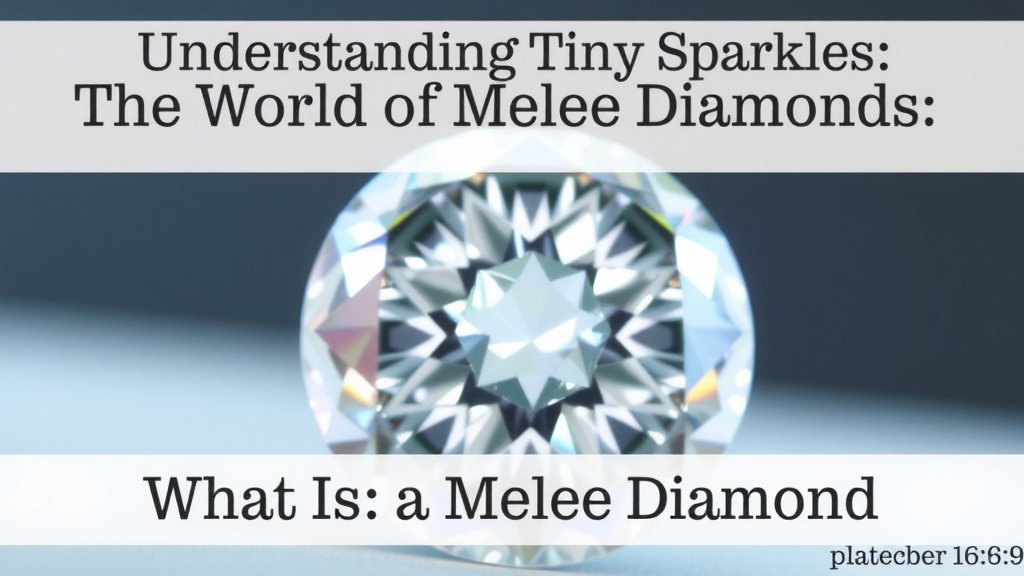
Understanding Tiny Sparkles: The World of Melee Diamonds
So, what exactly are these little diamonds? Melee diamonds are essentially very small stones. They are typically cut smaller than 0.20 carats, often much smaller. Think of them as the supporting actors in a grand jewelry production. They might not be the star, but they definitely make the whole show shine brighter.
What Makes a Diamond “Melee”?
The definition of melee is all about size. Jewelers consider diamonds under 0.20 carats to be melee. Most commonly, you’ll see them ranging from 0.01 to 0.05 carats. These tiny gems are a fantastic way to add a lot of sparkle. They can make a piece look more substantial and luxurious without needing a massive center stone.
Size Matters (But Smaller is Melee!)
You might be wondering why jewelers use such small stones. It’s a smart design choice! Melee diamonds allow for detailed work. They can fill in the spaces around a larger gemstone. This creates a beautiful halo effect or adds a glittering band. It’s a cost-effective way to achieve a high-impact look. You get all that extra fire and brilliance.
The Role of Melee in Jewelry Design
Melee diamonds play a vital role in jewelry aesthetics. They are used to enhance the beauty of engagement rings and other fine jewelry. Think of them as glitter for grown-ups! They can create a delicate shimmer or a full-on dazzling display. Many styles rely heavily on melee to achieve their signature look.
Where Do You Find Melee Diamonds?
Melee diamonds are everywhere in the world of jewelry! You’ll see them in all sorts of pieces. Engagement rings are a common place. They often form halos around a central diamond. Bands of rings can also be entirely covered in melee diamonds. This is called a pavé setting. Necklaces, earrings, and bracelets frequently feature them too. They add that extra touch of glamour.
Common Settings for Melee Diamonds
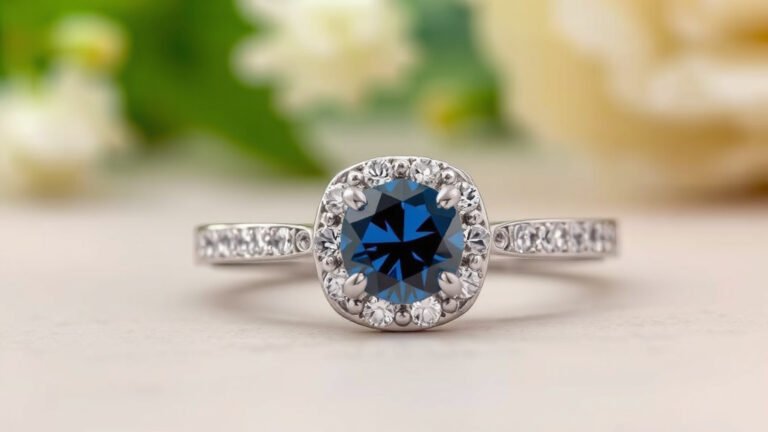
These tiny gems are set in various ways. The most popular is the **pavé setting**. Here, small beads of metal hold the diamonds close together. This creates a continuous surface of sparkle. Another common setting is the **halo**. A circle of melee diamonds surrounds a larger center stone. This makes the center stone appear bigger and brighter.
Pavé Settings: A Blanket of Brilliance
In a pavé setting, the diamonds are set very close together. The metal is pushed up to create tiny prongs. These prongs hold each stone securely. This technique gives the illusion of a solid line of diamonds. It’s a wonderful way to maximize sparkle. Many experts point out that pavé settings can be delicate. This requires careful cleaning (American Gem Society).
Halo Settings: Making the Center Pop
Halo settings are designed to make your main gem stand out. A ring of smaller diamonds encircles the center stone. This contrast in size adds brilliance. It can also make the center stone look larger than it is. It’s a popular choice for engagement rings. You get a lot of visual impact.
Why Jewelers Prefer Melee
From a jeweler’s perspective, melee diamonds are practical. They are easier to work with in smaller designs. Setting them precisely requires skill. However, they allow for creative freedom. Jewelers can create intricate patterns and textures. They can also offer a range of price points. Melee diamonds make beautiful jewelry accessible.
The Quality of Melee Diamonds: What to Look For
Just because they are small doesn’t mean quality is ignored. Melee diamonds are still graded on the 4 Cs: cut, color, clarity, and carat. However, the standards can be a bit different. Often, jewelers will select melee diamonds that are matched for consistency. This ensures a uniform look in the finished piece.
Color and Clarity Considerations
For melee diamonds, color is often prioritized. Jewelers look for stones that are close in color to each other. This prevents a “mottled” appearance. Most melee diamonds are in the near-colorless range (G-J). Clarity is also important, but sometimes slight inclusions are acceptable. These are often too small to be seen without magnification. Many sources suggest that for melee, a certain level of internal perfection is less critical than color match.
Cut: The Key to Sparkle
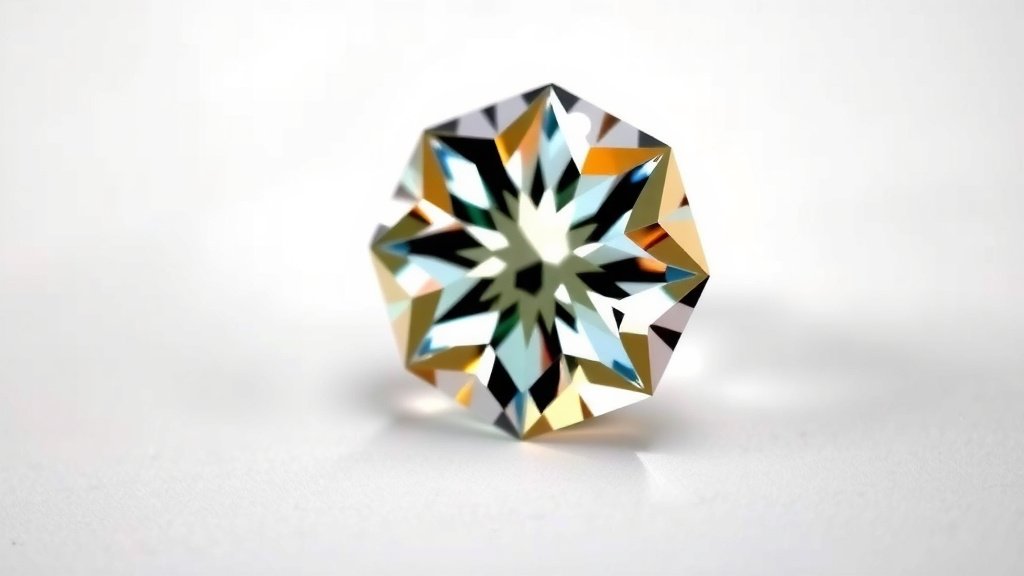
Even small diamonds need a good cut. A well-cut melee diamond will still reflect light beautifully. It will contribute to the overall sparkle of the piece. The cut ensures that the diamond returns light to your eye. This creates that desirable brilliance and fire. A poor cut can make even a diamond look dull. Even small diamonds need a good cut, and our guide to diamond cut explains how craftsmanship affects sparkle.
A Quick Comparison: Melee vs. Larger Diamonds
It’s helpful to see how melee diamonds differ from larger stones.
| Feature | Melee Diamonds | Larger Diamonds |
|---|---|---|
| Size | Under 0.20 carats | 0.20 carats and up |
| Primary Use | Accents, filling settings | Center stone, focal point |
| Impact | Overall sparkle, brilliance | Dominant presence, statement |
| Cost per Carat | Generally lower | Generally higher |
| Grading Emphasis | Color consistency, appearance | Individual 4 Cs (cut, color, clarity, carat) |
Your Guide to Spotting Melee Diamonds
How can you tell if a piece of jewelry uses melee diamonds? Look closely at the setting. Do you see lots of tiny, sparkling stones packed together? Are they forming a border around a larger gem? Or do they cover the entire band of a ring?
Here’s a quick checklist to help you identify them:
- Are there many small, shiny stones?
- Do they appear to be less than 0.20 carats each?
- Are they used to enhance a larger center stone?
- Do they create a continuous line or surface of sparkle?
- Is the overall effect a lot of glitter and fire?
Conclusion
You now know that melee diamonds are small but mighty gems. These tiny stones pack a punch of sparkle. They play a big role in jewelry design. From pavé bands to dazzling halos, they enhance any piece. Understanding their size and quality helps you appreciate fine jewelry more. Next time you shop, look for these little diamonds. They add big luxury to your favorite accessories. Consider how melee can enhance your next jewelry purchase.
Frequently Asked Questions
Are melee diamonds real diamonds?
Yes, melee diamonds are absolutely real diamonds. They are simply diamonds that are very small, typically under 0.20 carats. Jewelers use them just like larger diamonds to add brilliance and sparkle to jewelry settings.
Can melee diamonds be valuable?
While individual melee diamonds have a lower value due to their size, a large quantity of them used in a piece can add significant value. Their collective sparkle and the craftsmanship required to set them contribute to the overall worth of the jewelry.
Do I need to worry about the 4 Cs for melee diamonds?
While the 4 Cs (cut, color, clarity, carat) apply to all diamonds, the emphasis can shift for melee. Color consistency is often prioritized to ensure a uniform look. Slight inclusions might be acceptable if they aren’t visible to the naked eye and don’t detract from the overall sparkle.
How do I care for jewelry with melee diamonds?
Jewelry with melee diamonds requires gentle care. Because the stones are small and closely set, harsh chemicals or vigorous cleaning can damage them or the setting. It’s best to use a soft brush and mild soap, rinsing thoroughly and drying carefully.
Are melee diamonds more prone to falling out?
Melee diamonds are generally secure when properly set by a skilled jeweler. However, due to their small size, they can be more susceptible to damage or becoming loose if the jewelry experiences a significant impact. Regular check-ups with your jeweler are recommended.