Accent Diamond: What It Is and Why It Matters
An accent diamond is a diamond that is not colorless. Instead, it has a noticeable and desirable hue, most commonly yellow or brown. While traditionally diamonds were prized for their lack of color, fancy-colored diamonds, including those with an accent hue, are gaining popularity for their unique beauty and individuality. These stones offer a captivating alternative for those seeking something beyond the standard clear diamond.
Think of it this way: while most engagement rings feature what are called “white” diamonds, these actually have slight yellow or brown tints. An accent diamond is simply a stone where that tint is more pronounced and becomes a key part of its charm. We found that many people are drawn to these diamonds because they offer a distinctive look at a potentially more accessible price point than their super-colorless counterparts.
- Accent diamonds aren’t colorless; they have a noticeable hue.
- Yellow and brown are the most common accent colors.
- They are often called “fancy-colored” diamonds.
- These diamonds offer unique beauty and individuality.
- They can be a more affordable option than truly colorless diamonds.
So, are you ready to learn what makes these uniquely colored diamonds so special? Let’s dive into the world of accent diamonds and what you need to know when considering them.
Understanding Accent Diamonds
So, what exactly makes an accent diamond an accent diamond? It all comes down to its color. Unlike the diamonds most people picture – those with minimal to no color at all – accent diamonds have a distinct, visible hue. This isn’t a flaw; it’s a characteristic that gives them their unique charm. We found that these stones are becoming increasingly popular for those who want something different from the traditional clear diamond.
What Defines an Accent Diamond?
An accent diamond is essentially a diamond that falls outside the typical D-to-Z color grading scale for white diamonds. Instead of being prized for its lack of color, its beauty comes from a noticeable and desirable hue. This hue is usually yellow or brown, though other colors exist. Think of it as a diamond that proudly shows off its natural color. Many jewelers and gemologists refer to these as “fancy-colored” diamonds. They are beautiful in their own right.
The Color Spectrum of Accent Diamonds
While yellow and brown are the most common, accent diamonds can actually come in a wide range of colors. This includes pink, blue, green, and even red. However, when people use the term “accent diamond” in a more general sense, they’re often referring to those with warmer tones like yellow or brown. These colors are more common and can offer a more accessible entry point into the world of colored diamonds. We found that the intensity of the color can vary greatly.
Why Are Accent Diamonds Gaining Popularity?
There are a couple of key reasons why accent diamonds are catching the eye of consumers. Firstly, they offer unparalleled individuality. In a world where many seek to stand out, a diamond with a distinct color is a fantastic way to express personal style. Secondly, we found that they can be a more budget-friendly option. Achieving a truly colorless diamond (like a D, E, or F grade) can be very expensive. Accent diamonds, by embracing their natural color, can offer more carat weight or better clarity for the same price.
Individuality and Style
Your jewelry should be as unique as you are. Accent diamonds allow you to move away from the crowd. Imagine a ring with a warm, honey-toned diamond at its center, or perhaps a necklace with a collection of champagne-colored stones. These aren’t just diamonds; they’re statements. Many people are drawn to the organic beauty of these stones. They feel more natural and less “manufactured” than some of the ultra-clear diamonds.
Accessibility and Value
Let’s talk about the practical side. The price of diamonds is heavily influenced by the four Cs: Carat, Cut, Clarity, and Color. For white diamonds, the less color, the higher the price. For fancy-colored diamonds like accent diamonds, the opposite is often true – a more intense, desirable color increases value. However, when we’re talking about the more common yellow or brown hues, they tend to be less expensive than top-tier colorless diamonds. This means you might be able to afford a larger or more beautifully cut stone if you choose an accent diamond. We found that this offers a great way to maximize your budget.
The Color Grading Scale for Accent Diamonds
Understanding how accent diamonds are graded can help you appreciate their nuances. While the D-Z scale is for white diamonds, fancy-colored diamonds have their own system. This system is a bit more complex. It looks at the intensity and evenness of the color. Here’s a simplified look at what influences their value and appearance.
From Faint to Intense: Understanding Hue Intensity
The primary factor in grading fancy-colored diamonds is the intensity of their color. Gemological institutes, like the GIA (Gemological Institute of America), use specific terms to describe this. You’ll often see terms like:
- Faint: The color is barely visible.
- Very Light: The color is present but still subtle.
- Light: The color is more noticeable but can be somewhat pale.
- Fancy Light: A pleasant, more saturated color.
- Fancy: A good, noticeable color intensity.
- Fancy Intense: A strong, vivid color.
- Fancy Vivid: The most intense and desirable color saturation.
- Fancy Deep/Fancy Dark: Colors that are very dark and sometimes less transparent.
For accent diamonds, you’re typically looking at stones in the “Faint” to “Light” or “Fancy Light” range. These offer a beautiful hint of color without being overwhelmingly intense, making them versatile for various jewelry designs. We found that the “Fancy Light” grades offer a lovely balance of color and affordability.
Secondary Hues: The Subtlety of Color Blends
Sometimes, a diamond doesn’t just have one color; it has hints of another. This is called a secondary hue. For example, a yellow diamond might have a slight orangey tone, making it a “yellow-orange” diamond. A brown diamond might have a reddish tint, known as a “brownish-red.” These secondary hues can sometimes add uniqueness and character. Other times, they can detract from the primary color’s beauty. The effect depends on the specific blend and the gem’s overall appeal. Many experts say that a secondary hue can make a diamond even more distinctive.
Accent Diamonds in Jewelry Design
How do accent diamonds actually appear in your favorite pieces? They are incredibly versatile. You’ll often find them used in ways that enhance the overall design. They aren’t always the star, but they play a vital supporting role.
As Center Stones
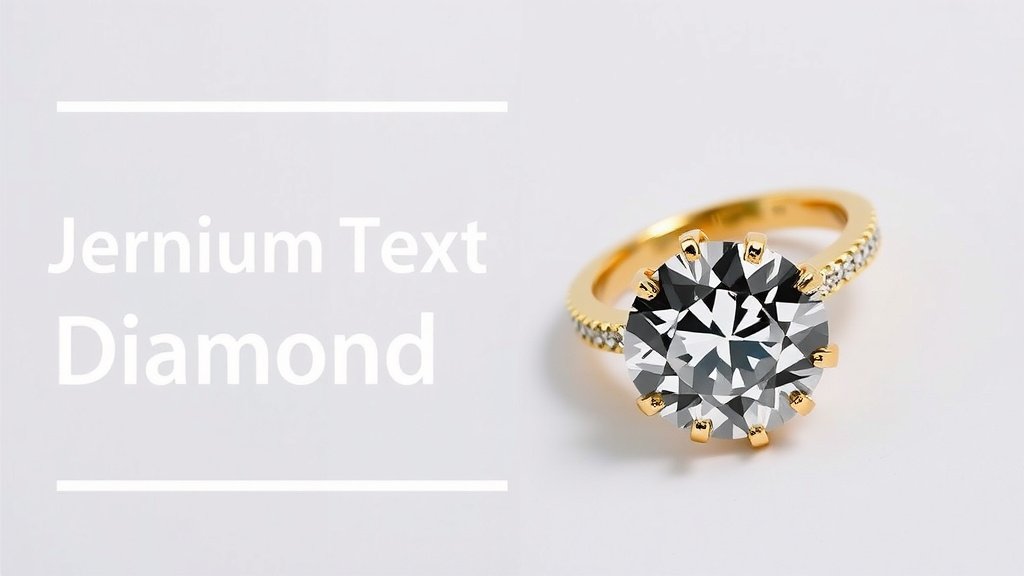
Some people choose accent diamonds as their main gem. A solitaire ring featuring a beautiful champagne or pale yellow diamond can be absolutely stunning. It’s a great way to have a large-looking stone with a warm glow. We found that this is a popular choice for engagement rings for those who want something unconventional.
In Halo and Pave Settings
This is where accent diamonds truly shine. They are frequently used as smaller stones surrounding a larger center diamond (a halo setting) or set closely together along the band (pave setting). Their slightly warmer tones can beautifully complement a center diamond of any color. They can make a clear diamond appear whiter by contrast, or they can create a harmonious blend of colors. Many designers use them to add a touch of sparkle and color without a huge increase in cost. Accent diamonds are frequently used in a halo setting to enhance a center stone.
Creating Contrast and Depth
Using accent diamonds alongside other colored gemstones or even clear diamonds can create amazing visual effects. Imagine a blue sapphire center stone accented by small, pale yellow diamonds. The contrast is striking. Or, picture a ring with a mix of clear and light brown diamonds. This creates a rich, layered look. We found that this technique allows for a lot of creative freedom in jewelry design.

Choosing Your Accent Diamond: A Quick Checklist
Ready to consider an accent diamond for yourself or as a gift? Here’s a simple checklist to keep in mind:
- Understand that color is the defining feature.
- Decide if you prefer yellow, brown, or another hue.
- Consider the intensity of the color you desire.
- Think about how the color will look with your skin tone.
- Look at how the diamond is set – does it enhance the color?
- Don’t be afraid to embrace its natural, unique beauty!
Conclusion
Accent diamonds offer a beautiful and unique way to express your personal style. We found they stand out for their distinct hues, often yellow or brown, making them a captivating choice. They provide a wonderful opportunity for individuality, often at a more accessible price point than their colorless counterparts. Whether used as a center stone or in a supporting role, their charm is undeniable. Ready to find your perfect accent diamond? We encourage you to visit a jeweler to see these uniquely colored gems in person and discover the one that speaks to you.
Frequently Asked Questions
Are accent diamonds considered less valuable than clear diamonds?
Not necessarily. While traditionally colorless diamonds held the highest value, accent diamonds are prized for their unique color. Their value depends on the intensity and desirability of their hue, much like fancy-colored diamonds. We found that beautiful accent diamonds can offer excellent value and distinctiveness.
Can accent diamonds be used in engagement rings?
Absolutely! Accent diamonds are a fantastic choice for engagement rings for those seeking something beyond the traditional. Their unique color can make a ring stand out, and they offer a personal touch. Many people love their warm, natural glow in engagement settings.
What’s the difference between an accent diamond and a fancy-colored diamond?
The term “accent diamond” is often used more casually to describe diamonds with noticeable yellow or brown hues. “Fancy-colored diamond” is a broader, more formal term that encompasses any diamond with a distinct color beyond the standard D-Z scale, including blues, pinks, greens, and more intense yellows or browns. Accent diamonds are a type of fancy-colored diamond.
How should I care for jewelry with accent diamonds?
Treat accent diamonds with the same care as any other diamond. Regular cleaning with a soft brush, mild soap, and warm water will keep them sparkling. Avoid harsh chemicals or ultrasonic cleaners, especially if the diamonds are set with other gemstones that might be sensitive. We found that gentle care ensures lasting brilliance.
Can the color of an accent diamond change over time?
No, the natural color of a diamond is permanent and will not change over time with proper care. The color you see is a result of the diamond’s natural composition. You can expect your accent diamond to retain its beautiful hue for generations.