
Find Your Perfect Fit: A Ring Size Chart Guide
Understanding a ring size chart is your key to finding the perfect fit. It translates your finger’s circumference or diameter into a standard ring size number. This makes buying rings online or in-store much easier. You can avoid the disappointment of a ring that’s too loose or too tight.
A ring size chart helps ensure your new jewelry looks and feels just right. We’ve researched how these charts work to make your ring shopping experience stress-free. You’ll learn how to measure your finger accurately and match it to the correct size. This means your rings will be comfortable and secure.
- A ring size chart converts finger measurements to standard ring sizes.
- Accurate measurement prevents rings from being too loose or too tight.
- Online and in-store ring shopping becomes simpler with a chart.
- You can find your perfect fit with a few easy steps.
Let’s walk through exactly how to use a ring size chart to find your ideal fit, step by step.
You’ve got the perfect ring in mind, but what about your finger? That’s where the magic of a ring size chart comes in. It’s your friendly guide to a perfectly fitting ring. We’ve broken down how these charts work so you can get it right every time.
Understanding Your Ring Size Number
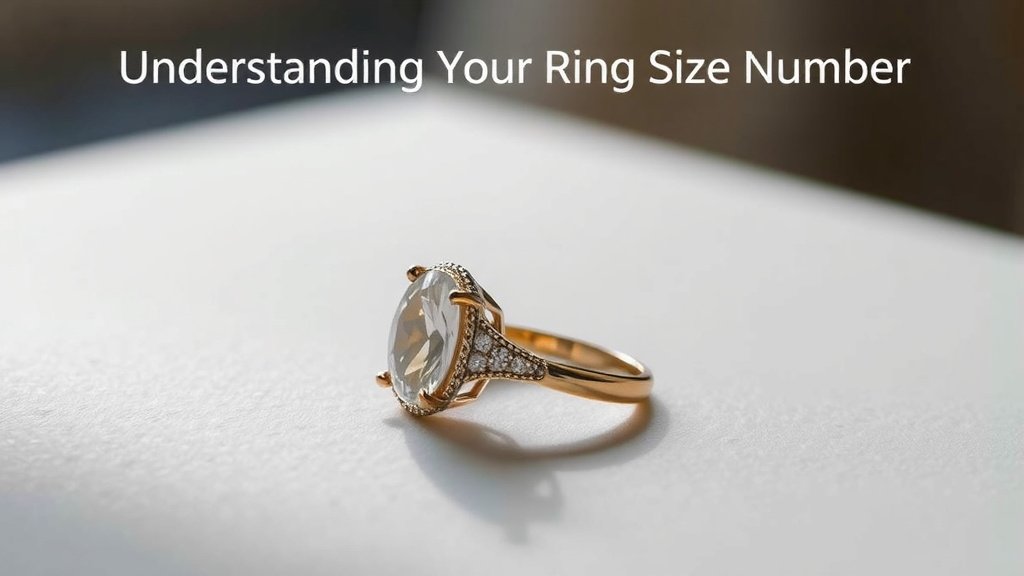
A ring size number might seem arbitrary, but it’s based on solid measurements. It’s a way to standardize sizes across different jewelers. This system makes it easy to communicate your finger size. You won’t have to guess or describe it awkwardly. Think of it like shoe sizes; they’re a universal language for fit.
How Ring Sizes Are Measured
Ring sizes are typically determined by the circumference of your finger. This is the distance all the way around your finger. Some methods also use the diameter, which is the distance straight across your finger. Jewelers use special tools to get these measurements precisely.
Circumference Method
This is the most common way to measure. You wrap a flexible measuring tape or a strip of paper around the base of your finger. Mark where the paper overlaps. Then, measure that length in millimeters. This measurement is then compared to a ring size chart.
Diameter Method
If you have a ring that already fits well, you can measure its inner diameter. Use a ruler to find the distance across the widest part of the inside of the ring. This measurement is also compared to a chart. Many charts will list both circumference and diameter.
What Do the Numbers Mean?
In the US, ring sizes are usually whole numbers and half numbers (like 6, 6.5, 7). Each half size represents a slight increase in diameter and circumference. For example, a size 7 is larger than a size 6.5. It’s a gradual scale designed to capture many different finger sizes. In the US, ring sizes are usually whole numbers and half numbers, which are detailed on size charts.
Using a Ring Size Chart: Step-by-Step
Ready to find your size? It’s simpler than you might think. We’ll guide you through the process. You’ll need just a few common household items. Precision is key, so let’s get started with the measurements.
Step 1: Measure Your Finger
The first step is to get an accurate measurement of your finger. Do this at the end of the day when your fingers are usually at their largest. Avoid measuring when your hands are cold, as your fingers will be smaller.
Method 1: Using a Strip of Paper
Cut a thin strip of paper, about 1/4 inch wide and 4 inches long. Wrap it snugly around the base of the finger you want to size. Make sure it’s not too tight or too loose. It should slide over your knuckle comfortably.
Mark the point where the paper overlaps. Then, lay the paper strip flat and measure the distance from the end to the mark in millimeters. This is your finger’s circumference. Keep this number handy!
Method 2: Using a Flexible Measuring Tape
A flexible measuring tape, often used for sewing, is ideal. Wrap it around your finger at the base. Ensure it’s snug but comfortable. Note the measurement in millimeters. This is your finger’s circumference.
Step 2: Compare to a Ring Size Chart
Now that you have your measurement, it’s time to consult a ring size chart. You can find many reliable charts online. Look for one that lists measurements in millimeters. These charts will show you the corresponding ring size number.
For example, if your finger measures 54mm in circumference, a typical chart might show this corresponds to a US size 6.5. If your measurement falls between two sizes, it’s usually best to size up. This is especially true if you measured using the paper method.
Step 3: Consider Your Knuckle Size
Your knuckle can sometimes be larger than the base of your finger. If your knuckle is significantly larger, you need to ensure the ring can pass over it. Measure your knuckle as well. You’ll want the ring to fit comfortably over the knuckle but still be snug at the base.
Many experts recommend choosing a size that allows the ring to slide over your knuckle with a little resistance. It shouldn’t be too tight that it hurts, nor too loose that it falls off. A well-fitting ring will feel secure but not constricting.
Common Ring Size Chart (US Sizes)
Here’s a simplified chart to give you an idea. Remember to always check a detailed chart when making a purchase. Finger sizes can vary slightly!
| Ring Size (US) | Circumference (mm) | Diameter (mm) |
|---|---|---|
| 4 | 47.1 | 15.0 |
| 4.5 | 48.4 | 15.4 |
| 5 | 49.7 | 15.8 |
| 5.5 | 50.9 | 16.2 |
| 6 | 52.2 | 16.5 |
| 6.5 | 53.4 | 16.9 |
| 7 | 54.7 | 17.3 |
| 7.5 | 55.9 | 17.7 |
| 8 | 57.2 | 18.1 |
| 8.5 | 58.5 | 18.5 |
| 9 | 59.7 | 18.9 |
| 9.5 | 61.0 | 19.4 |
| 10 | 62.2 | 19.8 |
Understanding International Ring Sizes
It’s helpful to know that ring sizes differ by country. The chart above is for US sizes. The UK, for instance, uses a letter system. European countries often use a millimeter circumference measurement directly. If you’re buying from an international jeweler, be sure to find out which sizing system they use.
Tips for Accurate Ring Sizing
Getting the right size is important for comfort and security. A ring that’s too big can slip off. A ring that’s too small can be uncomfortable or impossible to wear. Here are some extra tips to help you nail your size.
- Measure multiple times: Take your measurement a couple of times to ensure accuracy.
- Consider the ring width: Wider bands tend to fit more snugly. You might need to size up a quarter to a half size for very wide rings (e.g., 6mm or more). The ideal ring width depends on several factors, including how it relates to your finger size on a chart.
- Finger on dominant hand: Your dominant hand’s fingers are often slightly larger.
- Temperature matters: Measure when your hands are at a normal temperature.
What If You’re Still Unsure?
If you’re really uncertain, it’s often best to visit a local jeweler. They have professional tools and can measure your finger accurately in minutes. They can also offer advice based on the type of ring you’re interested in. Many online retailers also offer printable ring sizers or plastic ring sizers you can order.
Remember, finding the right ring size is a small step that makes a big difference. It ensures your beautiful new ring is a joy to wear for years to come.
Conclusion
You now understand how to navigate a ring size chart with confidence. You’ve learned how to measure your finger accurately using simple tools. This knowledge is your best defense against the frustration of a poorly fitting ring. Remember to consider your knuckle size and the width of the band for the most comfortable fit. Take your time with measurements to ensure accuracy. Your perfect ring awaits, and finding the right size is the essential first step to wearing it with joy.
Frequently Asked Questions
What’s the best time of day to measure my finger for a ring?
It’s best to measure your finger at the end of the day. Your fingers tend to be slightly larger then. Avoid measuring when your hands are cold, as this can make your fingers appear smaller than they are.
How does the width of a ring affect the size I need?
Wider bands can feel tighter than narrow ones. You might need to go up a quarter to a half size for rings that are 6mm or wider. This accounts for the extra material taking up more space on your finger.
My knuckles are larger than the base of my finger. How do I account for this?
You’ll need to measure both your knuckle and the base of your finger. The ring should comfortably slide over your knuckle with slight resistance. It should then feel snug at the base without being too tight.
Can I use a ring I already own to find my size?
Yes, if you have a ring that fits the correct finger well, you can use it. Measure the inner diameter of that ring with a ruler. Then, compare that measurement to a ring size chart. Ensure the ring fits the intended finger comfortably.
What should I do if my finger measurement falls between two sizes on the chart?
If your measurement is between two sizes, it’s generally recommended to size up. This is especially true if you used the paper strip method for measuring. A slightly larger size is usually more comfortable than one that’s too tight.