What Is a Round Brilliant Cut Engagement Ring
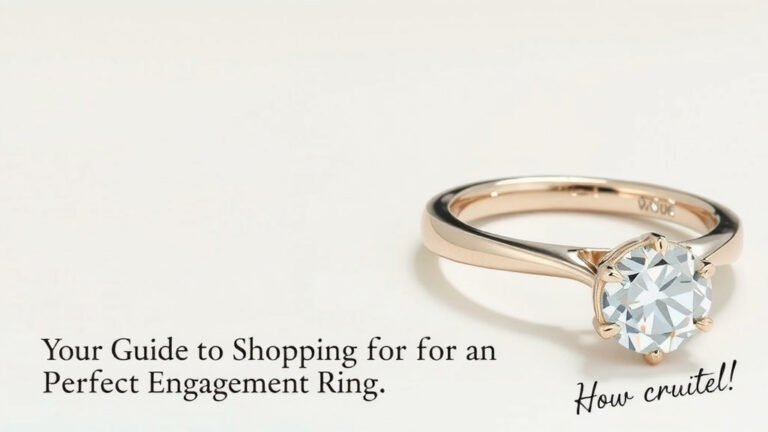
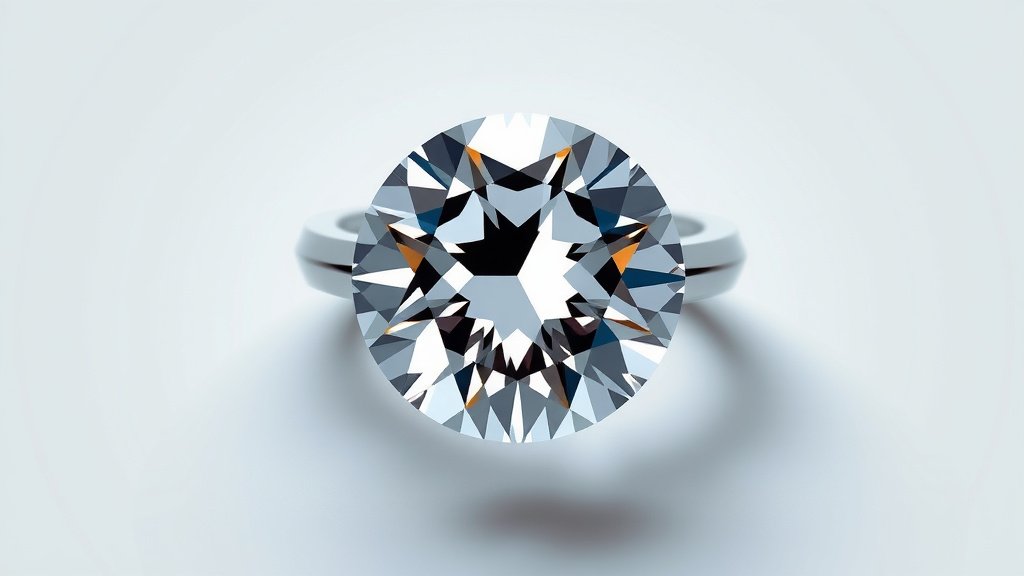
A round brilliant ring features a diamond cut into a specific shape. This popular cut has 57 to 58 facets. These facets are arranged to maximize a diamond’s sparkle and brilliance. It’s the most common diamond shape used in engagement rings.
The round brilliant cut was developed to achieve optimal light performance. It aims to reflect and refract light beautifully. This design allows for maximum fire and scintillation. It’s often considered the gold standard for diamond shapes.
- The round brilliant is a very popular diamond cut.
- It has many facets to create sparkle.
- This cut is known for its brilliance.
- It is frequently chosen for engagement rings.
- It maximizes light reflection for a dazzling look.
Ready to learn more about what makes this diamond shape so special? Let’s dive into the details of the round brilliant ring.
Understanding the Round Brilliant Diamond Cut
The round brilliant cut is a specific way a diamond is shaped. It has 57 or 58 tiny flat surfaces called facets. These facets are arranged very carefully. The goal is to make the diamond sparkle and shine as much as possible. It’s the most popular diamond shape for engagement rings. Many people consider it the gold standard for diamonds.
A Brief History of the Round Brilliant
Diamonds have been cut and shaped for centuries. Early cuts were simpler. They aimed to preserve the diamond’s weight. Over time, gem cutters learned more about light. They discovered how to arrange facets for maximum brilliance. The modern round brilliant cut really took shape in the early 20th century. It was developed to get the most sparkle from a diamond.
What Makes the Round Brilliant So Special?
The magic of the round brilliant lies in its design. It’s engineered to interact with light in a special way. This interaction creates three main effects.
Brilliance: The Inner Glow
Brilliance is the bright white light you see. It’s the overall sparkle of the diamond. The round brilliant cut maximizes this. It’s achieved by reflecting light from inside the diamond. Think of it as the diamond’s own inner glow.
Fire: The Rainbow Colors
Fire refers to the flashes of color you see. These are like tiny rainbows dancing within the diamond. The round brilliant cut disperses light into its spectrum of colors. This creates those beautiful, fleeting bursts of color.
Scintillation: The Play of Light and Dark
Scintillation is the sparkle you see when the diamond moves. It’s the play of light and shadow. This makes the diamond look lively and dynamic. The precise facet arrangement of the round brilliant creates this effect.
The Science Behind the Sparkle
The round brilliant cut is all about physics. It uses reflection and refraction of light. Light enters the diamond through its top facets. It then bounces around inside. This is called internal reflection. The light finds its way back out through the top. The 57 or 58 facets are placed at specific angles. This precise geometry ensures that most light bounces back. It doesn’t get lost within the diamond. This focus on light return is key to its dazzling appearance.
Why is it the Most Popular Choice?
There are many reasons for the round brilliant’s popularity. Its exceptional sparkle is a major factor. It’s also a very versatile shape. It looks beautiful in almost any setting. Engagement rings often feature this cut. It’s seen as a classic and timeless choice. Many experts agree its optical properties are unmatched (GIA).
Consider these points:
- Superior Sparkle: It’s designed for maximum brilliance.
- Timeless Appeal: Its round shape never goes out of style.
- Versatility: It fits well in many ring settings.
- Symbolism: Often seen as a symbol of eternal love.
- Resale Value: Its popularity can mean better resale potential.
Comparing Round Brilliant to Other Cuts
While the round brilliant is a star, other cuts exist. They offer different looks and personalities. Understanding these differences can help you choose.
| Diamond Cut | Key Characteristics | Best For |
|---|---|---|
| Round Brilliant | Maximum sparkle, classic round shape | Engagement rings, traditionalists |
| Princess Cut | Square shape, good brilliance | Modern rings, those who like sharp lines |
| Emerald Cut | Rectangular shape, step facets, elegant | Art Deco style, those preferring subtle sparkle |
| Oval Cut | Elongated round shape, appears larger | Elongating fingers, those wanting a twist on classic |
| Cushion Cut | Softened corners, can have great fire | Vintage style, romantic feel |
As you can see, each cut has its own charm. The round brilliant, however, is known for its unbeatable light performance.
What to Look for in a Round Brilliant Ring
When choosing a round brilliant ring, several factors matter. These are often called the 4 Cs: Cut, Color, Clarity, and Carat. The Cut is especially important for this shape. A well-cut round brilliant will have amazing sparkle. Even a smaller diamond can look brilliant if it’s cut well.
The Importance of Cut Quality
We found that the quality of the cut is paramount for brilliance. Even if a diamond has a high color and clarity grade, a poor cut will result in less sparkle. Look for excellent or very good cut grades. Gemological institutes like the GIA provide these ratings.
Considering Color and Clarity
Color refers to the diamond’s lack of color. Clarity is about its internal and external flaws. For a round brilliant, slight imperfections might be less noticeable. This is thanks to all the sparkle. However, you still want a diamond that looks clean to the naked eye. Most people find that a color grade of G-H and clarity of VS1-VS2 offers a good balance. This is often at a more accessible price point. Most people find that a color grade of G-H and clarity of VS1-VS2 offers a good balance for a round brilliant, and our guide explains diamond color.
Carat Weight and Size
Carat is the diamond’s weight. It influences both size and price. A larger diamond might seem more impressive. But remember, a well-cut smaller diamond can shine brighter. It’s about finding the right balance for your budget and preferences.
A Quick Checklist for Your Round Brilliant Journey
Ready to find your perfect round brilliant ring? Keep these tips in mind:
- Prioritize the diamond’s cut quality.
- Decide on a color grade that looks white.
- Choose a clarity grade that appears eye-clean.
- Balance carat weight with your budget.
- Consider the ring setting style.
- Trust your eyes – make sure you love its sparkle!
Conclusion
You’ve now explored the captivating world of the round brilliant ring. We’ve seen how its 57 to 58 facets are meticulously designed. This design maximizes brilliance, fire, and scintillation. It truly is the gold standard for diamond cuts, and for good reason. Its timeless appeal and superior sparkle make it a beloved choice, especially for engagement rings. When you’re ready, take your newfound knowledge to a jeweler. Look for that exceptional cut quality that promises a lifetime of dazzling beauty.
Frequently Asked Questions
Is a round brilliant diamond always the most expensive?
Round brilliant diamonds are often the most expensive diamond shape per carat. This is due to high demand and the significant amount of rough diamond that is wasted during the cutting process to achieve its ideal shape. Other cuts may be more budget-friendly for the same carat weight.
Can a round brilliant diamond look dull?
Yes, a round brilliant diamond can appear dull if its cut quality is poor. The precision of the facet angles is critical for reflecting light. A diamond with a low cut grade, even if it has good color and clarity, will not exhibit the same level of sparkle.
How is the round brilliant cut different from other round-like cuts?
While other cuts like oval or pear shape are also rounded, the round brilliant is a specific design with 57-58 facets precisely angled for maximum light return. Oval and pear cuts offer a different aesthetic and may not disperse light as efficiently for sparkle.
Does the setting affect the brilliance of a round brilliant diamond?
The setting can influence how you perceive the diamond’s brilliance. A secure bezel setting might slightly reduce the amount of light entering the diamond compared to a delicate prong setting. However, the diamond’s inherent cut quality is the primary driver of its sparkle.
What is the difference between a “modern” round brilliant and an older version?
The modern round brilliant cut, developed in the early 20th century, is optimized for superior sparkle by carefully balancing its proportions and facet placement. Older cuts, like the Old European cut, might have a slightly different facet arrangement and appear less brilliant by today’s standards, sometimes showing more fire instead.