What Are Side Stones in Engagement Rings Explained
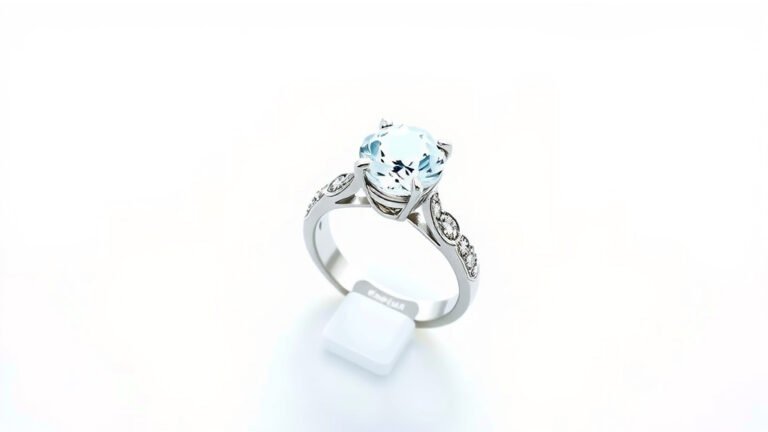
A side stone is a smaller gemstone, often a diamond, set on either side of a larger center stone in a ring. These stones are sometimes called accent stones. They add extra sparkle and make the main diamond appear larger. Think of them as the supporting cast that makes the star shine even brighter.
When you’re looking at engagement rings, you’ll often see designs that use side stones. They can be cut in different shapes like trillions, baguettes, or small rounds. The purpose of side stones is to enhance the overall beauty and brilliance of the ring. They create a beautiful frame for your main gem.
- Side stones are small gems next to a main gem.
- They often boost the sparkle of a ring.
- Diamonds are common side stones.
- Other shapes besides rounds are used.
- They help make the center stone look bigger.
Let’s dive into the wonderful world of side stones and see how they can transform a ring. We’ll cover the different types and how to choose the best ones for your style.
Understanding Side Stones in Rings
Side stones are those smaller, often sparkling gems that sit beside your main stone in a ring. They aren’t just there to look pretty. Many designers use them to create a balanced and breathtaking look. They can really transform the entire feel of a ring.
What Are Side Stones and Why Are They Used?
Think of side stones as the supporting actors in a movie. They help the main star, your center gem, really shine. We found that side stones serve several key purposes. They add extra brilliance and can make your center stone appear even larger than it is. They also help to frame the center stone beautifully. This framing effect draws the eye. It gives the ring a more complete and substantial look.
Many people choose rings with side stones for their added sparkle. The smaller stones catch the light. This creates a dazzling display from every angle. It’s like adding a halo of light around your main gem. This effect can be particularly stunning with diamonds, but other gemstones work wonderfully too.
The Anatomy of a Side Stone Setting
When we talk about side stones, we’re usually referring to smaller gemstones. These are set on either side of the primary gemstone. They are typically set into the band, just before it meets the center stone. This placement is deliberate. It’s designed to enhance the visual impact of the main stone.
The size and shape of side stones can vary greatly. This variety allows for a lot of personalization. You can match them to your center stone or choose something that offers a lovely contrast. We’ve seen many stunning examples where they perfectly complement the main gem. They create a harmonious design.
Popular Types of Side Stones
While diamonds are the most common choice for side stones, you have many options. The material and cut you choose can dramatically change the ring’s style. Let’s look at some popular choices you might encounter.
Diamond Side Stones
Using diamonds as side stones is a classic choice. They offer unmatched brilliance and durability. Many people love the consistent sparkle they provide. We found that small round brilliant-cut diamonds are a favorite. They offer maximum fire and scintillation. They also pair well with almost any center stone shape. We found that small round brilliant-cut diamonds are a favorite for their sparkle.
Colored Gemstone Side Stones
Don’t limit yourself to diamonds! Colored gemstones can add a vibrant and unique touch. Sapphires, rubies, and emeralds are beautiful options. They can be matched to your center stone or used for a pop of color. For instance, blue sapphires can beautifully accent a diamond. They create a sophisticated and eye-catching contrast. Many experts suggest that colored side stones can also hold personal meaning. This can be a lovely way to tell your story through your jewelry (GIA).
Different Shapes of Side Stones
The shape of your side stones is just as important as their type. Different cuts create different visual effects. Here are some common shapes:
- Baguette: These are long, rectangular stones with step cuts. They offer a sleek, Art Deco feel.
- Trillion: These are triangular-shaped stones. They add a modern and geometric edge.
- Tapered Baguette: Similar to baguettes but they narrow towards one end. They fit perfectly alongside certain center stone shapes.
- Pear-Shaped: These teardrop-shaped gems add a touch of elegance.
- Round Brilliant: The classic choice, offering maximum sparkle.
We often see tapered baguettes used. They are designed to follow the curve of a center stone. This creates a very smooth and integrated look. Trillion side stones can make the center stone appear wider. This is a clever way to enhance its presence.
How Side Stones Enhance Your Ring’s Appearance
Side stones do more than just add extra gems. They actively contribute to the overall design and perceived size of your ring. Let’s explore how they achieve this.
Creating the Illusion of a Larger Center Stone
This is one of the most appealing aspects of side stones. By placing smaller, sparkling stones next to your main gem, you create a visual expansion. The surrounding brilliance can trick the eye. It makes the center stone seem bigger. This is a great strategy if you love the look of a large center stone but are working within a budget. Many jewelers agree that this visual trick is highly effective.
Adding Brilliance and Sparkle
More stones mean more surfaces for light to reflect off. This naturally increases the overall sparkle of the ring. Even small side stones can add a significant amount of fire and scintillation. They catch light from different angles. This keeps the ring looking lively and dynamic. We found that this added sparkle is a major reason why many couples opt for side stone designs.
Balancing the Ring’s Design
Side stones help to create a sense of proportion and balance. They anchor the center stone. They prevent the ring from looking top-heavy. This is especially true for larger center stones. A well-chosen set of side stones can make the entire ring feel more substantial and complete. It’s about creating a harmonious composition.
Choosing the Right Side Stones for You
Selecting side stones involves considering your personal style and the overall ring design. Here are a few tips to guide you.
Consider Your Center Stone
The shape and size of your center stone should influence your choice of side stones. For example, if you have a square or rectangular center stone like an emerald cut or princess cut, baguette-style side stones can create a beautiful linear effect. If your center stone is round or oval, round or pear-shaped side stones can add complementary curves.
Think About the Metal Type
The metal of your ring will affect how the side stones look. Platinum and white gold offer a cool tone. This makes diamonds appear brighter. Yellow gold provides a warm contrast. It can make colored gemstones pop even more. Rose gold offers a romantic, soft hue.
We found that matching the metal to the stones is key. For example, diamonds look fantastic in platinum. For a warm contrast, consider yellow gold. The right metal enhances the beauty of both the side stones and the center stone.
Your Personal Style Matters
Are you drawn to classic elegance, modern minimalism, or vintage charm? Side stones can help you achieve any of these looks. Simple round diamonds offer timeless appeal. Geometric shapes like baguettes lean towards modern or vintage styles.
Consider a quick checklist when you’re shopping:
- Do the side stones complement your center stone’s shape?
- Do they add the sparkle you desire?
- Does the metal color enhance the gems?
- Do they reflect your personal style?
- Are they within your budget?
- Do they make the ring feel balanced?
Ultimately, the best side stones are the ones that make you feel happiest when you look at your ring. They are a beautiful way to personalize your jewelry. Many happy couples report that their side stones add a special touch they cherish.
Conclusion
You’ve learned that side stones are more than just decorative additions. They are essential design elements that boost your ring’s brilliance and visual impact. By choosing the right side stones, you can enhance the appearance of your center gem and reflect your unique style. We found that they play a key role in creating a balanced and dazzling piece of jewelry. Now that you understand their purpose, it’s time to start looking for the perfect side stones to complete your dream ring!
Frequently Asked Questions
Are side stones expensive?
The cost of side stones depends on their type, size, and quality. Diamonds are typically more expensive than most colored gemstones. Smaller stones generally cost less, but a ring with many tiny stones can still add up. You can find beautiful options that fit different budgets.
Can I add side stones to a ring that doesn’t have them?
Sometimes, yes, but it’s not always straightforward. Modifying a ring to add side stones often requires significant work by a jeweler. They need to ensure the setting is secure and complements the existing design. It’s best to consult with a professional jeweler to see if it’s feasible for your specific ring.
What’s the difference between side stones and pave diamonds?
Side stones are distinct, larger gems set on either side of the center stone. Pave diamonds, on the other hand, are tiny diamonds set very closely together along the band or around the center stone. Pave creates a “paved” surface of sparkle, while side stones are more defined accents.
Should side stones match my center stone?
They don’t have to match exactly, but they should complement each other. You can choose side stones in the same shape for a cohesive look or a different shape for contrast. The key is that they create a harmonious overall design with your center stone.
Do side stones affect the durability of my ring?
Side stones themselves are durable, especially if they are diamonds. However, the prongs holding them can be vulnerable to damage. We recommend checking the settings regularly to ensure the stones remain secure. Proper care will help maintain your ring’s durability.