Your Guide to Understanding Emerald Rings
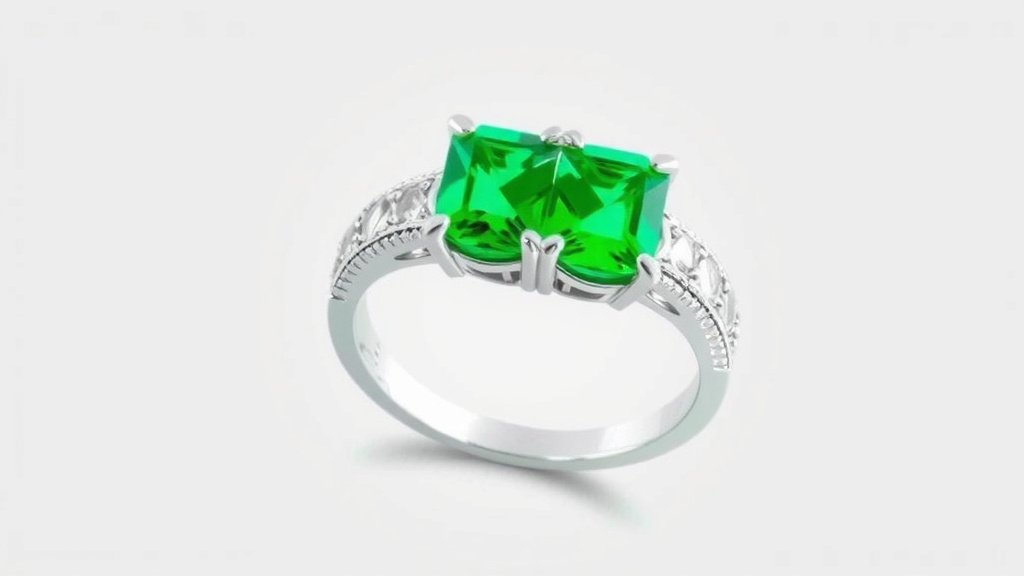
An emerald ring is a stunning piece of jewelry featuring a green beryl gemstone, often called an emerald. These rings are prized for their vibrant green color and rich history. They make for beautiful engagement rings or special occasion gifts. The allure of an emerald ring lies in its captivating beauty and symbolic meaning.
Emeralds are a variety of the mineral beryl. They are known for their hardness, ranking 7.5 to 8 on the Mohs scale. This makes them suitable for everyday wear, though they do require care. Many people choose emerald rings for their unique color and the sense of luxury they convey. We found that the quality of an emerald is judged by its color, clarity, cut, and carat weight.
- Emerald rings feature green beryl gemstones.
- They are known for their vibrant color and historical significance.
- Emeralds rank 7.5-8 on the Mohs hardness scale.
- Quality depends on color, clarity, cut, and carat weight.
Ready to learn more? Below, we’ll dive into the fascinating world of emerald rings, from their origins to how to choose the perfect one for you.
So, you’re curious about emerald rings? They’re more than just a pretty green stone. These rings hold a special place in jewelry history. Let’s explore what makes them so captivating.
Understanding the Allure of Emerald Rings
An emerald ring is essentially a piece of jewelry that showcases a beautiful emerald gemstone. The star of the show is always that stunning green hue. Emeralds are members of the beryl mineral family, famed for their vibrant color. People have been drawn to their rich green for thousands of years. It’s a color that speaks of nature, royalty, and mystery.
Many believe emeralds symbolize rebirth and love. This symbolism adds a layer of meaning beyond just their beauty. They’re often chosen for engagement rings or to celebrate major milestones. The deep green can evoke feelings of calm and luxury. It’s no wonder they remain a popular choice for special gifts.
What Makes an Emerald “Emerald”?
The most defining feature of an emerald is its color. It’s not just any green; it’s a specific, rich green that can range from deep, dark shades to lighter, more vibrant tones. This color comes from trace amounts of chromium or vanadium within the beryl mineral structure. The intensity and shade of this green are the primary factors in determining an emerald’s value.
Beyond color, several other factors come into play. We found that gemologists assess emeralds based on four key elements, often called the “4 Cs”: color, clarity, cut, and carat weight. Each plays a role in the stone’s overall beauty and price.
Color: The King of Emerald Qualities
Color is king when it comes to emeralds. The ideal color is a pure, vivid green. It should be free from any blue or yellow undertones. We found that the most prized emeralds have a balanced hue. The saturation and tone also matter greatly. A darker stone isn’t always better; it needs to be vibrant.
Clarity: The Nature of Inclusions
Unlike diamonds, emeralds are known to have natural inclusions. These are tiny imperfections or crystals trapped within the stone during its formation. Most emeralds have “jardin,” French for garden, which are visible inclusions. These can actually be a sign of authenticity. We found that very few emeralds are completely inclusion-free. The presence and visibility of these inclusions affect the price. A stone with fewer, less noticeable inclusions will be more valuable.
Cut: Shaping the Sparkle
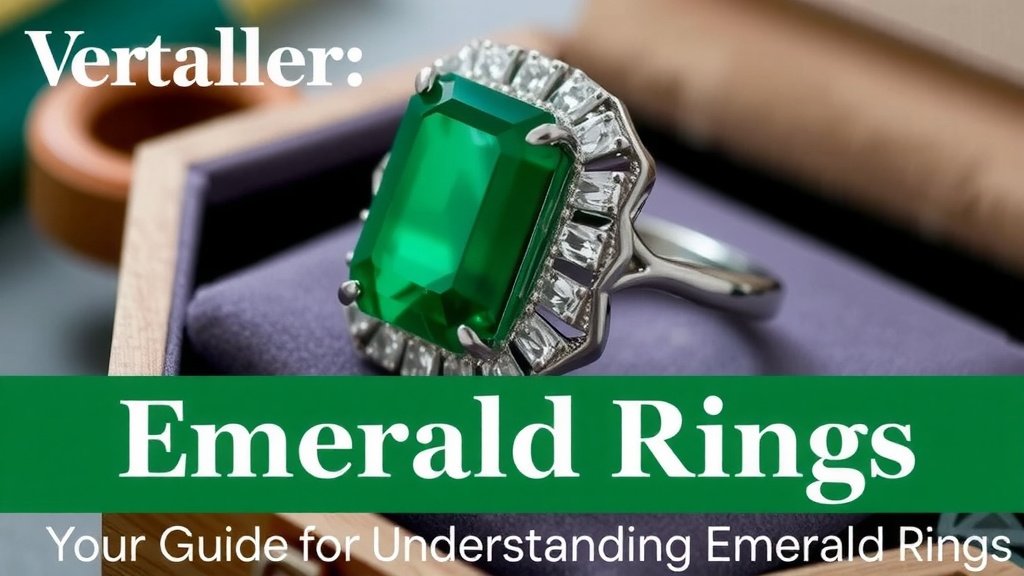
The cut of an emerald is crucial for maximizing its beauty. Emeralds are often cut in a rectangular or square shape with clipped corners. This is known as the “emerald cut.” This specific cut helps to protect the stone’s edges from chipping. It also enhances its color and minimizes the visibility of inclusions. A well-cut emerald will display its color evenly and have a pleasing depth.
Carat Weight: The Size Factor
Carat weight refers to the stone’s size. Larger emeralds are rarer and thus more expensive per carat. However, a large emerald with poor color or clarity won’t be as desirable as a smaller stone with exceptional qualities. We found that the relationship between size and the other “Cs” is key to understanding value.
A Brief History of the Emerald Ring
Emeralds have a long and storied past. Ancient Egyptians prized them and used them in jewelry. Cleopatra herself was said to be particularly fond of emeralds. They were believed to possess mystical powers and were often buried with pharaohs. The Romans also held emeralds in high regard. They associated them with Venus, the goddess of love and beauty. Many believed emeralds could enhance a wearer’s sight and even predict the future.
The discovery of emerald deposits in South America by the Spanish conquistadors in the 16th century brought new, vibrant stones to Europe. These South American emeralds were often of exceptional quality. They quickly became highly sought after by royalty and nobility. Throughout history, emerald rings have adorned the fingers of queens, empresses, and influential figures. They have been symbols of power, wealth, and enduring love.
Emeralds in Modern Jewelry
Today, emerald rings continue to capture hearts. They are a popular choice for a variety of reasons. Many people are drawn to their unique, natural beauty. The vibrant green stands out beautifully against different metal settings. We found that emeralds pair well with yellow gold, white gold, and platinum.
They are often seen in engagement rings, offering an alternative to the traditional diamond. Many couples choose emeralds for their symbolic meaning of growth and new beginnings. It’s a wonderful way to start a new chapter together. Emerald rings also make fantastic anniversary gifts or treats for yourself. Their timeless elegance ensures they never go out of style.
Caring for Your Emerald Ring
Because emeralds are a bit softer than diamonds, they require gentle care. We found that their hardness rating of 7.5 to 8 on the Mohs scale means they can be worn daily. However, you should still be mindful of potential damage. Avoid exposing your emerald ring to harsh chemicals or extreme temperatures. Because emeralds are a bit softer than diamonds, they require gentle care; learn how often to clean your ring for best results.
When cleaning, use warm water and mild soap. A very soft brush can help loosen dirt. Gently scrub around the stone and the setting. Rinse thoroughly and pat dry with a soft, lint-free cloth. It’s best to remove your emerald ring before engaging in activities that could risk scratching or impact. This includes doing household chores, exercising, or swimming.
Things to Avoid
- Avoid using ultrasonic cleaners. These can cause damage.
- Do not expose emeralds to harsh cleaning agents.
- Take off your ring during manual labor or sports.
- Store your emerald ring separately from other jewelry.
Following these simple guidelines will help keep your emerald ring looking its best for years to come. It’s like giving your favorite plant a little extra TLC – it thrives with good care!
Choosing the Perfect Emerald Ring: A Quick Checklist
Ready to find your perfect emerald ring? Here’s a little something to keep in mind as you shop:
- Color: Look for a vibrant, pure green.
- Clarity: Understand that inclusions are normal; check their visibility.
- Cut: Ensure the cut enhances the stone’s beauty.
- Setting: Choose a metal and style that complements the emerald.
- Care Instructions: Know how to maintain your ring’s sparkle.
- Your Gut Feeling: Does it make you happy when you see it? That’s important!
Conclusion
You’ve explored the enchanting world of emerald rings, from their vibrant green allure to their rich history. We’ve seen how factors like color, clarity, cut, and carat weight define an emerald’s beauty and value. Remember that these stones, while durable, deserve mindful care. By understanding what makes an emerald special and how to look after it, you can confidently choose and cherish your own piece of natural artistry. Now, you’re ready to find that perfect emerald ring that speaks to your heart!
Frequently Asked Questions
Are emerald rings good for engagement?
Yes, emerald rings make wonderful engagement rings! Many couples choose them for their unique, captivating green color and the symbolism of growth and new beginnings they represent. While emeralds are slightly softer than diamonds, they are durable enough for daily wear with proper care, offering a beautiful alternative to traditional diamond rings.
How do I know if an emerald is real?
Real emeralds are known for their natural inclusions, often called “jardin,” which can look like tiny ferns or moss inside the stone. Lab-created emeralds may appear too perfect. Examining the stone under magnification can help. Also, purchasing from a reputable jeweler who can provide certification is the best way to ensure authenticity.
What does an emerald ring symbolize?
Emeralds have long been associated with love, rebirth, and hope. They are believed to symbolize wisdom, growth, and success. Wearing an emerald ring can represent a fresh start, enduring love, or a connection to nature’s beauty and abundance. It’s a gemstone rich in positive meaning.
Can I wear my emerald ring every day?
You can wear your emerald ring every day, but with caution. Emeralds rank 7.5 to 8 on the Mohs scale, making them suitable for daily wear. However, they are prone to chipping and scratching from hard impacts or abrasive materials. It’s wise to remove your ring during strenuous activities or when exposed to harsh chemicals.
What is the best way to clean an emerald ring?
The best way to clean your emerald ring is with warm water and mild soap. Use a very soft brush to gently clean around the stone and setting. Rinse thoroughly and pat dry with a soft, lint-free cloth. Avoid ultrasonic cleaners and harsh chemicals, as these can damage the gemstone.