What Is a Gold Pendant Necklace? A Complete Guide
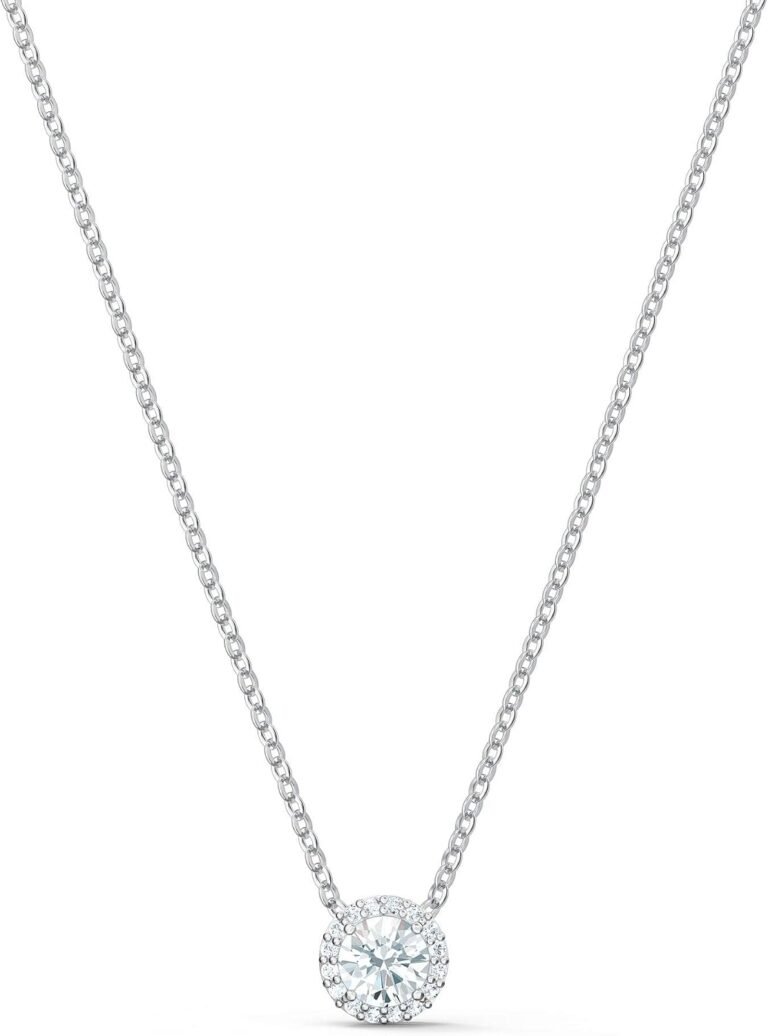
A gold pendant necklace is a piece of jewelry with a decorative charm, called a pendant, hanging from a gold chain. You wear it around your neck, and the pendant can be anything from a simple gold coin to a diamond-encrusted letter or a meaningful symbol.
This type of necklace is one of the most popular jewelry choices in the US because it is both versatile and personal. We found that people buy them to mark special occasions, express their style, or keep a loved one close. Whether you are shopping for yourself or as a gift, the options for chain styles, pendant designs, and gold purity can feel a bit overwhelming at first.
- Quick answer: It is a chain with a hanging charm or ornament.
- Main purpose: Worn for fashion, personal meaning, or as a status symbol.
- Key choices: You select the gold karat (10k, 14k, 18k) and the chain type (like rope or cable).
- Cost factors: Price depends on gold weight, pendant size, and any gemstones used.
- Buying tip: Pick a sturdy chain (like a box chain) for heavier pendants to avoid breaking.
Below, we break down everything you need to know about choosing a gold pendant necklace that fits your budget and style. Let’s walk through the details carefully so you can shop with total confidence.
Understanding the Anatomy of a Gold Pendant Necklace
At its simplest, this necklace is just two parts: a gold chain and a hanging ornament. The chain goes around your neck. The ornament, the pendant, hangs front and center. That pendant gives the whole piece its personality.
You can mix and match these pieces. Many people buy a chain and a pendant separately. Others purchase a matching set. Both ways work perfectly. It all depends on what you plan to wear.
The Chain: Your Foundation
Your chain does more than hold the pendant. It sets the entire look. We found that most shoppers pick a chain based on thickness and length. Thicker chains look bold and casual. Thinner chains look delicate and elegant.
Length matters too. An 18-inch chain sits at the base of your throat. A 24-inch chain hangs lower, around your chest. Think about your neckline and check your wardrobe. You want the pendant to land where you can see it.
Popular Chain Types
You have plenty of chain options. Each one has a distinct feel. Here are the top choices we see across the US market:
- Cable chain: Simple round links. It is timeless and works with any pendant.
- Rope chain: Twisted links that look braided. It is strong and has a rich texture.
- Box chain: Square links that lie flat. It is smooth and very sturdy, making it great for heavy pendants.
- Figaro chain: Alternating long and short links. It has a classic Italian look.
- Snake chain: Tight, smooth links that resemble a snake’s skin. It feels sleek and modern.
For a daily-wear piece, think about durability. A rope or box chain holds up better than a delicate cable chain. Treat the chain as a long-term investment. Choose one that matches your activity level.
The Pendant: Your Personal Statement
The pendant is the star of the show. It is what people notice first. It is also where you get to express yourself. The market is full of options, from tiny gold bars to elaborate birthstones.
Consider the size and weight of the pendant. A heavy, chunky pendant will pull on a thin chain. A dainty pendant will look lost on a thick rope chain. Balance is key. The two parts should complement each other visually.
Common Pendant Styles
Your personality drives the right choice. Here are the most popular pendant categories, based on what shoppers actively search for:
- Religious symbols: Crosses, saints, and stars of David. These hold deep personal faith.
- Initials and monograms: A single letter or two intertwined. These are stylish and personal.
- Birthstones: A gemstone representing your birth month. These add a pop of color.
- Nature motifs: Leaves, flowers, animals, or trees. These often symbolize growth and life.
- Hearts and lockets: Classic symbols of love. Lockets hold tiny photos inside.
- Geometric shapes: Circles, triangles, or abstract forms. These feel modern and minimal.
We found that most people buy pendants to tell a story. Maybe you choose a cross for faith. Maybe you pick your child’s initial. Maybe you treat yourself to a gold coin after a promotion. There are no wrong answers here.
Gold Karats and Purity Explained Clearly
Pure gold is 24 karats. That sounds great, but it is too soft for everyday jewelry. It bends and scratches easily. That is why jewelers mix pure gold with other metals like copper or zinc. This creates a stronger alloy that still looks beautiful.
You will see three main options in American stores. Each one has a different balance of purity, strength, and cost. Knowing the differences helps you shop smart.
| Karat | Gold Content | Best For | Key Tradeoff |
|---|---|---|---|
| 10k | 41.7% pure gold | Active wear and budget buys | More durable, but slightly lighter yellow color |
| 14k | 58.3% pure gold | Daily wear and custom pieces | Great balance of strength and rich color |
| 18k | 75% pure gold | Special events and fine jewelry | Softer, but has a vibrant, yellow glow |
14k gold is the most popular choice in the US. We found that it offers the best mix of durability and classic golden color. It also resists tarnishing better than higher-karat options. For most people, 14k is the sweet spot.
Gold Filled vs. Gold Plated vs. Solid Gold
Here is where things get tricky. The word “gold” on a product page can mean very different things. Solid gold is pure metal throughout. Gold filled has a thick layer of gold bonded to another metal. Gold plated has just a microscopic layer of gold sprayed on.
Solid gold lasts for decades. Gold filled lasts for years with care. Gold plated can wear off in months. Always check the product description. If it does not say “solid” or “karat,” ask the seller directly.
Why People Love Wearing Gold Pendants
A gold pendant necklace is not just a purchase. It is an heirloom. Many families pass down gold pieces through generations. Your necklace might hold a story that outlives you.
Beyond sentiment, there is practicality. Gold holds its value. This makes it a smart use of your money. You can wear it for years and still sell it later if you choose.
Fashion Flexibility
You can dress this necklace up or down. Wear a sleek pendant with a blazer for work. Pair a chunky piece with a t-shirt on weekends. Gold goes with everything. It matches silver for a mixed-metal look too.
We found that styling rules have relaxed. Fashion guides now encourage mixing metals. You can stack a gold pendant with silver rings. The goal is confidence, not perfection.
Emotional and Sentimental Value
People often give these necklaces as gifts. Birthdays, graduations, and weddings are top occasions. A pendant necklace says, “I thought about you.” It is a gift you can open and wear immediately. That instant gratification makes it memorable.
Think about a locket. You can place a tiny photo of a loved one inside. Every time you wear it, you carry them with you. That emotional weight is why many people never take theirs off.
How to Match the Chain to Your Pendant
You bought a beautiful pendant. Now you need a chain that can handle it. This is where many people make mistakes. A heavy pendant on a thin chain is a recipe for loss. The chain snaps. The pendant falls. You never find it.
A good rule is simple: heavier pendant, thicker chain. If your pendant weighs more than a few grams, skip the delicate cable chain. Choose a box or rope chain with a higher gauge number.
Practical Guidelines for Chain Width
Think about the visual weight too. A tiny 0.2-gram diamond pendant needs a paper-thin chain. A large 10-gram gold coin needs something bold. Look for a chain that does not disappear but does not overpower.
If you are unsure, many jewelers offer sets. Buying the pendant and chain together guarantees a perfect match. It also often saves you money compared with buying separate pieces.
Styling Tips for Different Outfits and Occasions
Your necklace should work with your wardrobe, not against it. For a work presentation, a simple gold bar pendant looks professional. For a beach outing, a whimsical shell pendant feels relaxed. Match the vibe to the setting.
Think about your neckline. Crew necks suit shorter chains. V-necks suit longer chains. Turtlenecks look great with long pendants that hang below the collar. The right length frames your face perfectly.
Layering Your Pendants
Layering is a fun trend. You wear two or three necklaces of different lengths together. The result is a curated, stylish look. Mix a thin pendant with a longer, chunkier chain. Keep the pendants small so they do not tangle.
Many people worry about tangles. Choose chains of completely different lengths. This keeps them from knotting. You can also buy spacers or clips to keep chains separate. With a little practice, layering becomes easy.
Essential Buying Checklist for Your First Pendant Necklace
You are ready to shop. Use this checklist while you browse. It covers all the essentials for a smart, lasting purchase.
- Set your budget: Know your spend. Gold prices fluctuate, so check current rates.
- Pick a karat: Choose 10k for durability, 14k for balance, or 18k for luxury color.
- Decide on solid gold: Avoid plated pieces if you want a lifetime investment.
- Select a sturdy chain: Match the chain width to your pendant’s weight.
- Verify the clasp: A lobster clasp holds better than a spring ring.
- Ask about return policy: Ensure you can exchange it if it doesn’t feel right.
Taking your time makes a huge difference. You are buying something you will wear near your heart. It deserves a careful choice. Any reputable jeweler will help you weigh the options.
Many experts say that comfort is the final test. Try the necklace on. Move around. Does it sit well? Does it spin or flip? A good pendant has a balanced weight and hangs flat against your chest. If it flips, the design or chain length may be off. Trust your instincts. When it feels right, you will know you have found your piece.
Conclusion
Choosing a gold pendant necklace comes down to three simple things: the chain, the pendant, and the gold quality. You want a chain that supports your pendant’s weight and matches your daily routine. You want a pendant that tells your story or marks a special moment. And you want a karat that fits your budget and your lifestyle.
Remember that solid 14k gold is the safest bet for most people. It is strong enough for everyday wear and has that classic, rich color you expect from fine jewelry. Skip plated options if you want your piece to last for years.
Your next step is simple: set a budget, pick a style that feels like you, and visit a reputable jeweler. Take your time trying pieces on. When the necklace feels comfortable and looks right in the mirror, you have found your match. That piece will serve you well for decades.
Frequently Asked Questions
Can you wear a gold pendant necklace every day?
Yes, you can absolutely wear one daily. We recommend choosing a 10k or 14k gold piece for regular use. These alloys resist scratches and dents better than higher-karat options. Just take it off before swimming, showering, or intense workouts to keep it looking its best.
What is the best chain length for a gold pendant?
For most people, an 18-inch chain is the sweet spot. It sits right at the collarbone, which works well with most necklines. If you prefer a lower hang, go with a 20 or 22-inch chain. A longer chain also works better with heavier pendants because it balances the weight better.
How do you clean a gold pendant necklace at home?
You can clean your necklace with warm water and a few drops of mild dish soap. Soak it for a few minutes, then gently scrub with a soft-bristled baby toothbrush. Rinse it well and pat it dry with a soft cloth. We suggest cleaning it once a month to maintain its shine.
Can you wear a gold plated pendant in the shower?
We strongly advise against it. Water, especially hot water, can break down the thin gold layer over time. Soap and shampoo also leave residue that dulls the finish. Take your plated necklace off before any water exposure to extend its life as long as possible.
How much should you spend on a gold pendant necklace?
Realistic starter pieces begin around $100 to $200 for a simple 10k gold pendant on a thin chain. A quality 14k piece with a more detailed design often runs between $300 and $800. Solid gold costs more than plated, but the durability makes it a better long-term value.