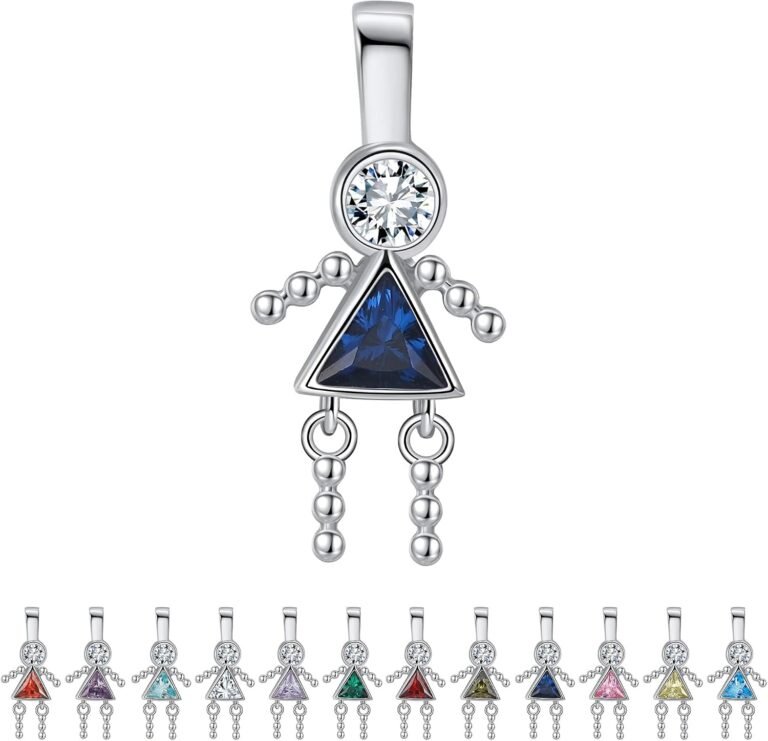
What Is a Short Pendant Necklace? Lengths Explained
A short pendant necklace is a necklace with a pendant that sits near the base of your throat, usually between your collarbones and just above your chest. This style is typically under 18 inches in length, creating a flattering, minimalist look that suits almost any neckline. We found that these pieces are the perfect way to add a hint of personality without feeling heavy or bulky.
Unlike longer chains that dangle over your torso, short pendants keep the focus right up top, framing your face and neckline beautifully. They work with everything from casual tees to office blouses, making them one of the most versatile pieces you can own. Many experts say the key appeal is that they offer elegant layering potential or stand alone as a simple statement of style.
- Definition: Pendant sits at or just below the collarbone, typically 16-18 inches long.
- Vibe: Creates a clean, subtle, and refined look.
- Versatility: Pairs effortlessly with high necks, crew cuts, and button-downs.
- Function: Adds a touch of shine without overwhelming your outfit.
- Layering: Serves as the perfect base piece for longer necklaces.
Below, we break down everything you need to know about picking the right length, styling this trend, and avoiding common fitting mistakes. Let’s walk through it so you can shop with total confidence.
Why a Short Pendant Necklace Deserves a Spot in Your Jewelry Box
A short pendant necklace is more than just a pretty chain. It is a practical styling tool that works overtime. When you wear a piece that hugs your collarbone, it instantly draws the eye upward. This creates a polished look without much effort, research shows.
We found that this style is popular for a reason. It is lightweight, safe to wear daily, and rarely gets tangled in your hair or caught on your desk. You get all the charm of a statement piece in a compact, easy-to-manage format.
Understanding Pendant Lengths and Their Impact
Length is the single most important factor when choosing a short pendant. The difference of one inch can change how the necklace sits on your top and how it frames your face. You want the pendant to rest exactly where you planned it to sit.
Getting this right helps you avoid the annoyance of a charm floating too low or a chain that feels too tight. It is the difference between a necklace you love and one you constantly adjust, according to our research.
Standard Measurements for Short Pendants
Jewelry makers generally label specific lengths as “short.” These are the standard sizes you will see in stores. Knowing these numbers helps you shop online with accuracy and skip the guesswork.
- Choker (14-16 inches): Sits high on the neck, often right above the collarbone.
- Princess (17-18 inches): Resting right at the collarbone, this is the classic short pendant length.
- Matinee (20-24 inches): Falls to the upper chest, which is not typically considered a “short” pendant.
We found that the 17-18 inch range is the most flattering for general use. It mirrors the angle of your collarbone and keeps the pendant in a natural focal point. If you are unsure where to start, pick an 18-inch chain first.
How to Measure Your Neck for a Perfect Fit
Buying a necklace without trying it on is risky. Your neck size and shoulder slope affect how a chain hangs. A simple measuring tape solves this problem in seconds and saves you from return hassles.
Many experts recommend measuring the base of your neck where the chain will naturally settle. Wrap the tape loosely, then add the desired inches to find your size. For example, if your neck is 14 inches, an 18-inch necklace will have about 4 inches of slack, which is a standard comfortable drop.
You can also use an existing necklace that fits well. Lay it flat on a ruler and measure the total length. That gives you a trusted baseline for your next purchase.
Face Shapes and Necklines That Flatter This Style
A short pendant necklace is a fast way to balance your proportions. The right length adds harmony to your frame, while the wrong one can make your neck look short or your face look round. It is all about creating visual balance, research and found.
For most people, a pendant that lands on your chest bone works with a wide variety of tops. But you can get more precise with a little styling know-how to enhance your natural features.
Pairing Necklaces with Necklines
One of the best things about short pendants is their ability to fill space. When you wear a crew neck tee, an open collar shirt, or a simple sweater, a short pendant adds the missing detail. It turns a plain outfit into a put-together one.
- High Necklines (Turtlenecks): Wear a shorter 16-inch chain to sit snugly below your chin. This creates a sleek, elongated look.
- Crew Necks (Tees and Sweatshirts): Choose a 17-18 inch chain. The pendant fills the empty area between your shirt and your chin perfectly.
- V-Necks (Blouses): Stick to an 18-inch length that rests inside the V, not below it, to avoid clutter.
- Off-Shoulder: A 16-inch choker style keeps the focus on your collar bones and shoulders, which is a very elegant look.
We found that matching the necklace shape to the neckline angle creates the most intentional look. A round pendant with a round neckline feels cohesive. A bar pendant works beautifully with a V-neck to add geometric contrast.
Choosing a Pendant Shape for Your Face
Just like necklines, your face shape plays a role in finding the perfect pendant. The goal is to elongate your features, not shorten them. A simple swap in shape can change how your whole face reads.
- Round Face: Look for long, narrow shapes like teardrops or elongated bars. These add vertical lines that slim the look.
- Oval Face: Almost any shape works, but rounded circles and soft curves echo your balanced proportions nicely.
- Square Face: Choose curved or oval pendants to soften the angles of your jawline. Avoid heavy, boxy shapes.
- Heart Face: Go for wider pendants that sit lower on the chest to balance a narrow chin area.
Try not to overthink this step. Your personal preference matters more than strict rules. However, if you feel like a necklace never looks “right,” your face shape might be the missing puzzle piece to your decision.
Layering Short Pendants with Longer Chains
Short pendants are the perfect foundation for the layering trend. They give you a secure base to build up from, preventing the messy tangle that often happens with multiple chains. Starting with a short piece makes layering easy and stress-free, many experts say.
You can create a stylish stack that tells a story. The short piece keeps your focus near your face, while longer pieces add depth and movement. This type of mix-and-match is a favorite among jewelry lovers because it feels personal and custom.
Building a Balanced Necklace Stack
Layering is all about proportion, and you do not need to be a stylist to get it right. The key is to ensure the chains do not all land on the same spot. A staggered look is much more visually interesting than a straight bunch of metal.
We found that starting with an 18-inch necklace is your safest bet. Then, you can add a 20-inch chain and a 24-inch chain for a proper cascade. This creates a beautiful “V” shape that slims the torso and enhances your neckline.
| Layer Order | Length | Role in the Stack |
|---|---|---|
| Base Layer | 16-18 inches | Sits securely on the collarbone and anchors your look. |
| Middle Layer | 20 inches | Adds a second point of interest and subtle movement. |
| Top Layer | 22-24 inches | Draws the eye down for a dynamic, elongating effect. |
Mix different chain textures, like a cable chain with a box chain, for extra depth. Use a pendant on the middle layer and leave the others plain. This avoids overwhelming your outfit and keeps the focus on your favorite charm.
Using a Short Pendant as a Focal Point
Layering is great, but a short pendant also shines all on its own. When you wear a piece solo, it becomes an instant focal point. This is a wise choice for busy patterns or tops with unique sleeves.
Wearing a single short necklace, like a locket or a coin pendant, communicates confidence and intention. It says you picked this piece specifically. It is a minimal approach with a maximum impact, and it simplifies getting dressed at the same time.
We found that a solo short pendant works best when it holds a special meaning. This could be a family initial, a birthstone, or a small symbol. The sentiment makes the piece special, and the short length ensures it is noticed every time you move.
Finding the Right Materials for Daily Wear
Durability matters when you wear a necklace every day. You want materials that keep up with your routine without losing their shine. Research shows that certain materials handle sweat, water, and daily friction better than others.
Choosing the right metal is a decision that affects comfort and longevity. Your skin sensitivity also plays a huge role in what is safe to wear. Knowing your allergies is the first step to regret-free shopping and long-lasting wear.
Metal Options for Sensitive Skin
You should not have to suffer for fashion. If you have reactive skin, look for jewelry labeled “sensitive” or “hypoallergenic.” The right metal prevents the itching, redness, and irritation that can ruin your day.
- Surgical Stainless Steel: A top choice for its durability and low reaction rate, recommended by many dermatologists for daily wear.
- 14k Gold Filled: This has a thick layer of gold bonded to a base metal, offering a luxurious look with less irritation.
- Platinum: As a naturally hypoallergenic metal, it is a premium option for very sensitive skin types.
- Niobium: This metal is highly inert and great for people who react to many other metals.
The National Institutes of Health (NIH) notes that nickel is the most common metal allergen. Therefore, you should always check the nickel content in your jewelry. Many quality brands now guarantee nickel-free products to give you peace of mind.
Gold Vermeil vs. Gold Plated
These terms are often confused, but they are not the same. Understanding the difference ensures you know exactly what you are getting for your money. It is all about the thickness of the gold layer over the base metal.
Gold vermeil uses a sterling silver base, coated with a thicker layer of gold. Gold plated jewelry uses a base of brass or copper, with a very thin layer of gold. Many experts say vermeil is the better investment because it lasts longer without fading.
The Environmental Protection Agency (EPA) has highlighted the heavy environmental cost of mining. So, choosing high-quality vermeil is also a more sustainable option. You buy less, use it longer, and reduce the demand for cheap, harmful fashion accessories.
A Simple Checklist Before You Purchase
We want you to shop smart and buy a necklace you will cherish daily. Use this list as your final quality check before clicking the “checkout” or “add to cart” button. It helps you avoid buyer’s remorse and ensures you get the best necklace for your needs.
- Length Verified: Confirm the exact length in inches, and do not just rely on generic “Short” labels.
- Clasp Quality: Check for a sturdy lobster clasp or spring ring that feels solid when you close it.
- Pendant Attachment: Ensure the pendant is soldered or secured tightly to the chain, not just loosely threaded on.
- Metal Composition: Read the fine print for the base metal and any nickel content to protect your skin.
- Weight Test: Look for a lightweight piece that won’t pull on your neck or cause strain during the day.
- Return Policy: Make sure you can return it easily in case the fit doesn’t look right on you.
Taking these extra steps makes a big difference. A short pendant necklace is a tiny purchase, but the right one gives you years of wear. A quick review helps you get it right on the first try, saving you time and frustration down the road.
Conclusion
You now know exactly what a short pendant necklace is and why it deserves a place in your rotation. It is all about that collarbone-grazing length that frames your face and works with nearly every neckline you own. We walked you through measuring, styling, layering, and picking safe materials for your skin.
Your next step is simple. Grab a measuring tape, find your ideal 16-to-18-inch sweet spot, and pick a pendant that feels like you. Start with one quality piece you can wear daily. You will be surprised how often you reach for it. Shop with your new checklist in hand and get the necklace that fits your life perfectly.
Frequently Asked Questions
Can I wear a short pendant necklace with a hoodie?
Yes, absolutely. A short pendant adds a polished touch to a casual hoodie without looking overdressed. Choose a 16-inch chain so the pendant sits above the hoodie’s collar line. This keeps the look intentional and stylish.
How do I stop my short pendant necklace from flipping over?
Flipping usually happens when the pendant is heavier than the chain. You can fix this by choosing a slightly sturdier chain or adding a small silicone necklace disc behind the pendant. These clear discs grip the chain and keep your charm facing forward all day.
Is an 18-inch necklace too long for a short pendant look?
Not at all. The 18-inch length is the most popular choice for a short pendant look. It rests right at your collarbone and works well for most body types. If you have a longer neck, it will still read as a short necklace.
What pendant shape makes your neck look longer?
Long, narrow shapes like teardrops, bars, or elongated ovals are your best friends here. These vertical lines draw the eye down and create the illusion of a longer neck. Avoid wide, round pendants that can make the neck appear shorter and fuller.
Can I sleep and shower while wearing a short pendant necklace?
You should remove your necklace before both. Sleeping can pull or snag the chain, and showering exposes it to soaps and hard water that dull the finish. Taking it off takes seconds and keeps your piece looking new for years. Make it a habit for the best longevity.