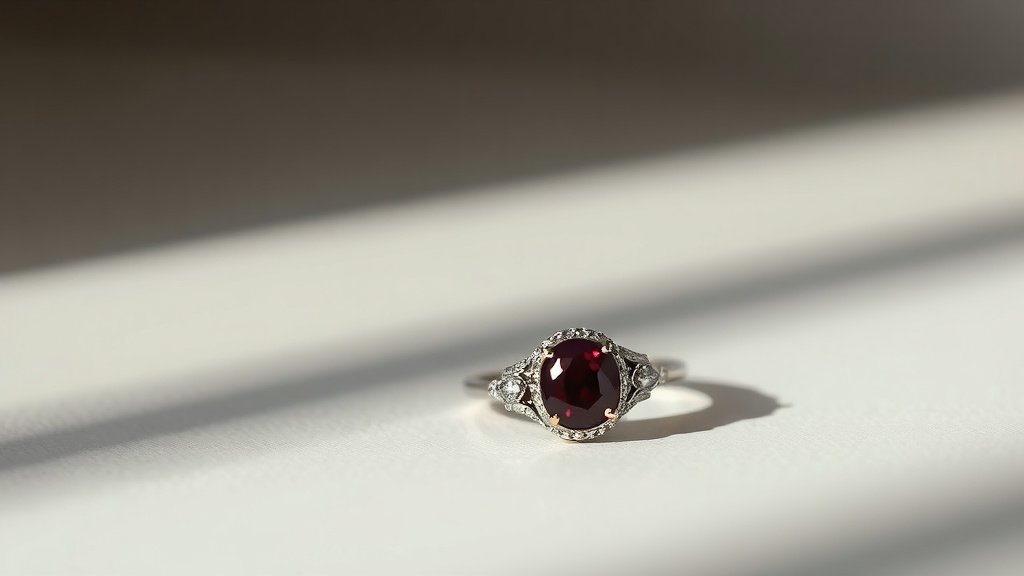
Where to Buy a Vintage Ring: Best Shops and Marketplaces
You can buy a vintage ring from reputable online retailers, local antique shops, estate sales, and trusted marketplaces like Etsy and 1stDibs. The best place depends on your budget, how much condition matters to you, and whether you want to see the ring in person first. We researched where shoppers get the best deals and the safest experiences, and we break it all down below.
Buying vintage is different from buying new. You’re dealing with one-of-a-kind pieces, older diamonds and gemstones, and sellers of varying trustworthiness. That’s why knowing where to look (and what to check before you pay) makes all the difference between a great find and an expensive mistake.
- Online specialists like Etsy, 1stDibs, and dedicated vintage dealers offer the biggest selection.
- Local antique and estate shops let you inspect the ring in person before buying.
- Auction houses and estate sales can offer serious bargains if you’re patient.
- Seller reviews, return policies, and certificates are your best protection when buying online.
- Compare prices for similar rings before committing, since vintage pricing varies wildly.
Below, we walk you through the best places to buy a vintage ring, what each option costs, and how to shop smart so you get a piece you’ll love for years.
Best Places to Find Vintage Rings
Online vintage jewelry dealers are the safest and easiest starting point for most buyers. They offer curated selections, clear photos, written condition reports, and return windows. If you’d rather shop in person, local antique stores and estate sales come in a close second.
Online Vintage Jewelry Dealers
Dedicated vintage sellers like Trumpet & Horn, Erstwhile Jewelry, and Fay Cullen focus only on older pieces. Many experts say these specialists are the best bet for engagement rings, because they photograph rings from every angle and disclose flaws up front.
We found that specialist dealers usually price rings a bit higher than marketplaces. The tradeoff is peace of mind. You get detailed descriptions, easy returns, and staff who actually know the difference between an Edwardian and an Art Deco setting.
What to Expect on Price
Most vintage engagement rings from specialists run between $1,500 and $8,000. Simpler bands and cocktail rings often fall under $1,000. Rare pieces with old European cut diamonds can climb well past five figures.
Marketplaces Like Etsy and 1stDibs
Etsy is where we’d point budget shoppers first. You’ll find thousands of vintage rings, and many sellers are small shops with honest reviews. 1stDibs skews higher-end, with vetted antique dealers and museum-quality pieces.
Here’s the catch: marketplace quality varies wildly. One seller might be a 40-year veteran jeweler. The next might be someone cleaning out a storage unit. Read reviews like you’d read a restaurant’s Yelp page before dinner.
Local Antique Shops and Estate Jewelers
Nothing beats holding a ring in your hand. You can check how it catches the light, feel the weight, and try it on. Local shops also let you negotiate, which rarely works online.
Call ahead to ask if they carry vintage pieces. Some stores mostly sell new jewelry, and you don’t want to drive across town for nothing. Estate jewelers are your best local bet because they specialize in previously owned pieces.
Auction Houses and Estate Sales
If you’re patient and love a deal, auctions can be gold. Estate sales often sell jewelry at below market prices, because families want items to move quickly.
The downside? Sales are final at most auctions, and you may only get a quick look before bidding. Many experts suggest setting a firm budget beforehand, because auction excitement can turn a bargain into an overpay.
Comparing Your Options Side by Side
Here’s a quick breakdown so you can pick the route that fits you best.
| Where to Buy | Typical Price Range | Best For | Risk Level |
|---|---|---|---|
| Specialist dealers | $1,500–$8,000+ | Engagement rings | Low |
| Etsy | $200–$3,000 | Budget finds | Medium |
| 1stDibs | $2,000–$20,000+ | High-end antiques | Low |
| Local shops | $300–$5,000 | Trying before buying | Low |
| Estate sales | $100–$2,000 | Bargain hunters | Medium-high |
| Auctions | $500–$15,000 | Experienced buyers | Higher |
How to Vet a Seller Before You Pay
Think of vetting a seller like checking out a babysitter. You want references, history, and a good gut feeling. We found that most problems happen when buyers skip this step.
- Read reviews from the last 12 months, not just the overall score.
- Ask for a written condition report with close-up photos.
- Confirm there’s a return window of at least 7 to 14 days.
- Check how long the seller has been in business.
- Message the seller with a question and see how fast they respond.
Getting a Ring Appraised
Once the ring arrives, consider an independent appraisal. A credentialed appraiser can confirm the metal, stones, and era, and the paperwork helps with insurance. Many experts recommend appraisal through groups like the Gemological Institute of America (GIA) or the American Society of Appraisers (ASA) for credentials you can trust.
Understanding Vintage Era Labels
Sellers love era labels, but what do they actually mean? Here’s the short version:
- Victorian (1837–1901): Romantic motifs, yellow gold, rose-cut diamonds.
- Edwardian (1901–1915): Lacy platinum filigree, delicate details.
- Art Deco (1920s–1930s): Geometric shapes, bold lines, popular for engagements.
- Retro (1940s–1950s): Chunky rose gold, big colorful gemstones.
A genuine vintage ring should show age-consistent craftsmanship, not just an old-looking design. If a “1920s Art Deco ring” has a laser-cut modern diamond, ask questions. Our guide to valuing an old ring shows how to check metal, stones, and hallmarks for signs of true age.
Smart Questions to Ask Before Buying
Good sellers welcome questions. Hesitant or vague answers are your cue to walk away. Ask these before you commit:
- Has the ring been resized or repaired in the past?
- Are all stones original to the setting?
- Is the diamond accompanied by any grading report?
- What’s the exact return policy, and who pays shipping back?
- Do you offer a certificate of authenticity or appraisal?
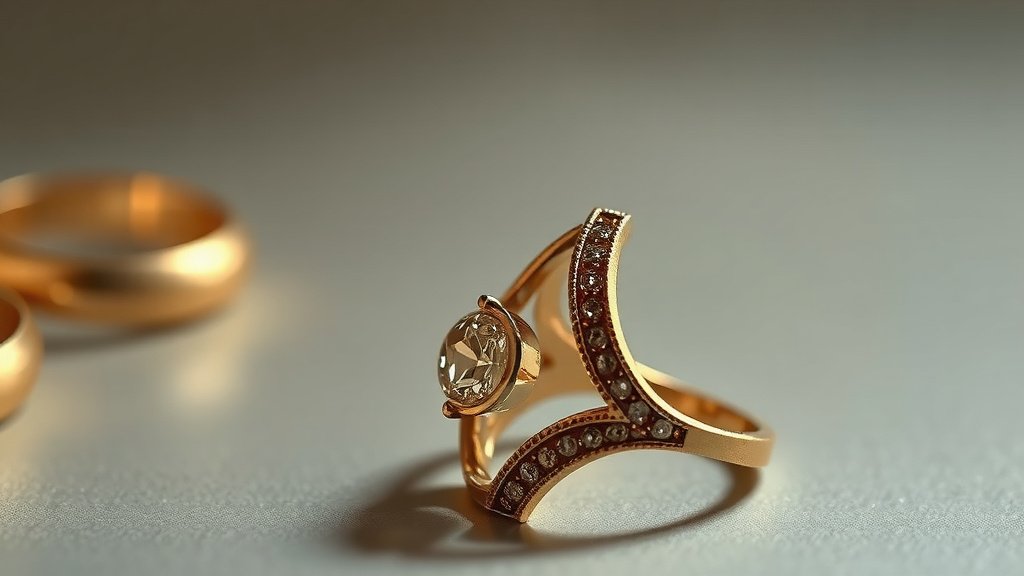
Final Tips for a Smooth Purchase
Buying a vintage ring is a little like adopting a pet with a mysterious past. Charm comes standard; history comes with homework. Do a little digging, ask plenty of questions, and you’ll end up with a piece that has a story worth telling, one nobody else will ever wear.
And if a deal feels too good to be true? Trust that instinct. It usually is.
Conclusion
Finding the right vintage ring comes down to matching the seller to your comfort level. Specialist dealers give you the safest experience, Etsy rewards careful shoppers on a budget, and local shops let you try before you buy. Whatever route you pick, the basics stay the same: vet the seller, ask for a condition report, and confirm a return window. We found that buyers who do this homework rarely regret their purchase. So start browsing this weekend, save a few rings you love, and message those sellers with your questions. Your perfect vintage ring is out there waiting.
Frequently Asked Questions
How old does a ring have to be to count as vintage?
Most jewelers consider a ring vintage when it’s at least 20 to 30 years old. Anything over 100 years is typically labeled antique. When in doubt, ask the seller for the ring’s estimated era and how they dated it.
Can I get a vintage ring resized?
Often yes, but it depends on the design. Rings with delicate filigree or full engravings can be tricky or risky to resize. Always ask the seller whether the ring has been resized before and whether an adjustment is safe for that setting.
Is it safe to buy an expensive vintage ring online?
Yes, as long as you take precautions. Buy only from sellers with strong recent reviews, detailed photos, and a solid return policy. Pay with a credit card or a service that offers buyer protection, never a wire transfer or payment app.
Are vintage diamonds better quality than modern ones?
Not necessarily better, just different. Old European and old mine cut diamonds were cut by hand, so they have a warm, romantic sparkle that many people prefer. They often show more inclusions than modern lab-graded stones, which is why an appraisal matters.
Do I need to insure my vintage ring?
We recommend it, especially for pieces over $1,000. Get an independent appraisal first, then add a jewelry rider to your renters or homeowners policy. Standard policies usually don’t cover the full value of jewelry on their own.