Why Diamond Rings Cost So Much Unveiled
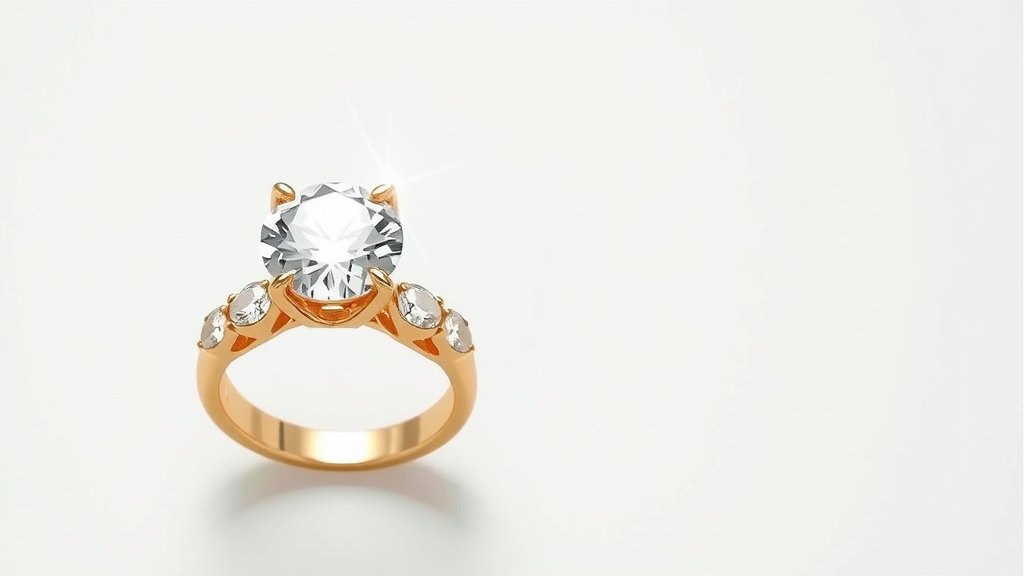
Diamond rings are so expensive because of a combination of supply, demand, rarity, and marketing. Diamonds are naturally scarce, and mining them is a difficult and costly process. Plus, the industry has historically controlled the supply to keep prices high. When you buy a diamond ring, you’re paying for a combination of its physical properties and a carefully crafted brand image.
Many factors contribute to the high cost. The 4 Cs (cut, color, clarity, and carat weight) are the primary determinants of a diamond’s value. Each step in the diamond’s journey, from mine to jeweler, adds to the final price. We found that the perception of diamonds as a symbol of love and commitment also plays a huge role. This demand is fueled by decades of successful advertising.
- Diamonds are expensive due to limited supply and high demand.
- Mining and processing diamonds are costly and labor-intensive.
- The 4 Cs (cut, color, clarity, carat weight) heavily influence price.
- Marketing and the association with love and commitment boost demand.
- The entire supply chain adds to the final cost.
Let’s take a closer look at why these sparkling stones command such high prices. We’ll break down the main reasons behind the cost of your diamond ring.
What Makes Diamond Rings So Pricey?
You’ve probably wondered why diamond rings carry such a hefty price tag. It feels like a lot for a sparkly rock, right? We found that several layers of factors contribute to this cost. It’s not just one thing; it’s a whole chain of events and decisions.
From the moment a diamond is found deep within the earth to when it sits beautifully on your finger, each step adds to its final price. Let’s break down the journey and the reasons why diamonds are an investment.
The Scarcity Factor: Nature’s Limited Edition
One of the biggest reasons diamond rings are expensive is simple: they are rare. While diamonds aren’t the rarest gems on Earth, gem-quality diamonds are quite scarce. Only a small fraction of mined diamonds meet the standards for jewelry. Most diamonds mined are industrial grade, too flawed or colored for engagement rings.
Think of it like finding a perfect, large seashell on the beach. You might find hundreds of shells, but only a handful will be exactly what you’re looking for. It takes a lot of effort to find those exceptional ones. Mining companies have to sift through massive amounts of earth to find even a small, usable diamond.
The Rigors of Diamond Mining
Extracting diamonds is a difficult and costly process. Mines can be miles deep underground, or they involve vast open pits. The machinery needed is immense and expensive to operate. Workers put in long hours in challenging conditions, and safety measures are extensive.
After mining, the diamonds need to be sorted, cut, and polished. This requires specialized skills and equipment. The waste rock and lower-quality stones also add to the overall expense of getting a usable gem. We found that the energy and labor costs alone are substantial.
The Diamond Industry’s Supply Control
For decades, the diamond industry has actively managed the supply of diamonds. Companies like De Beers historically controlled a large portion of the world’s diamond production and distribution. They aimed to prevent flooding the market, which would drive down prices.
This control helped maintain the perception of diamonds as exclusive and rare. Even as mining has become more diversified, the historical practices have shaped consumer expectations and pricing. We found that this historical market management significantly impacts today’s costs.
The 4 Cs: Grading Your Diamond’s Worth
When you look at diamond prices, you’ll always hear about the 4 Cs. These are the universal standards used to evaluate a diamond’s quality and, consequently, its price. Each ‘C’ plays a significant role.
Carat Weight: Size Matters
The carat weight refers to how much a diamond weighs. A carat is a unit of mass, equal to 0.2 grams. Larger diamonds are much rarer than smaller ones. Therefore, the price per carat increases exponentially as the size of the diamond increases. A diamond’s carat weight refers to how much it weighs, and our guide explains how this impacts price.
A 2-carat diamond doesn’t just cost double a 1-carat diamond. It can easily cost three or four times as much, or even more. This is because finding natural diamonds over a certain size is exceedingly rare. Imagine finding a giant truffle versus finding several small ones; the giant one is much more special.
Cut: The Sparkle Factor
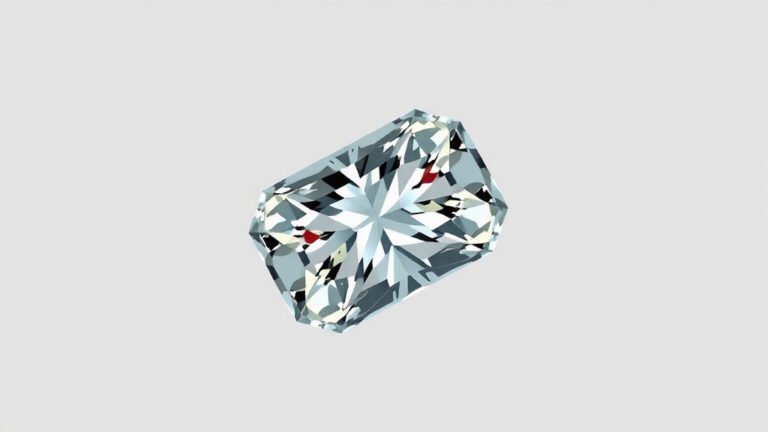
The cut refers to how well a diamond has been faceted. It’s not about the diamond’s shape (like round or princess). A good cut maximizes a diamond’s brilliance and sparkle. It involves precise angles and proportions.
A diamond’s cut is entirely the work of a skilled cutter. This craft requires immense precision and artistry. A well-cut diamond will reflect and refract light beautifully, making it appear lively and bright. Poorly cut diamonds can look dull or lifeless, even if they are large and colorless.
Color: The Absence of Hue
Diamond color grading actually refers to the absence of color. The scale runs from D (colorless) to Z (light yellow or brown). Truly colorless diamonds are the rarest and most expensive.
As a diamond gets more yellow or brown, its price typically decreases. Most people can’t even tell the difference between a D color and a G color diamond without a trained eye and a jeweler’s loupe. The subtle differences add up in cost, though.
Clarity: The Flawless Ideal
Clarity refers to the presence or absence of internal inclusions or external blemishes. Most diamonds have tiny imperfections. These are natural marks from their formation process.
The fewer and smaller the flaws, the higher the clarity grade, and the more expensive the diamond. Flawless diamonds are incredibly rare. Most jewelry diamonds fall into the “Very Slightly Included” or “Slightly Included” categories. These imperfections are usually invisible to the naked eye.

The Cost of Processing and Marketing
Beyond the raw material and its grading, there are other significant costs involved. The diamond must be carefully transported, insured, and processed through various hands.
Cutting and Polishing Expertise
As mentioned, cutting and polishing diamonds is an art. It requires highly trained artisans and specialized equipment. A single mistake can ruin a diamond, costing thousands or even millions of dollars. The labor and technology involved are substantial.
Marketing and Brand Building
The diamond industry has invested heavily in marketing over the decades. Think of the famous “A Diamond is Forever” campaign. This marketing has cemented diamonds as the ultimate symbol of love and commitment.
This powerful branding creates demand. When people think of engagements, they often picture a diamond ring. This perceived necessity drives sales and allows jewelers to maintain premium pricing. We found that this psychological association is a huge part of the cost.
| Grading Factor | Rarity | Price Impact |
|---|---|---|
| Carat Weight | Very High (larger is rarer) | Exponential Increase |
| Cut | Moderate (skill-dependent) | High (affects brilliance) |
| Color | High (colorless is rarest) | Moderate to High |
| Clarity | High (flawless is rarest) | Moderate to High |
The Retail Markup
Finally, your local jeweler adds their markup. They need to cover their business expenses, including rent, staff, security, and inventory. The price you see often includes a significant markup from the wholesale cost. This retail markup is standard practice across most industries.
What You’re Really Paying For
So, when you’re looking at a diamond ring, you’re paying for more than just a pretty stone. You’re investing in:
- The inherent rarity of the natural diamond.
- The labor-intensive mining and extraction process.
- The skilled artistry of cutting and polishing.
- The diamond’s specific quality as defined by the 4 Cs.
- The marketing and brand association with love and forever.
- The retailer’s costs and profit margin.
It’s a combination of nature, human effort, and strategic branding. We found that understanding these elements can help you make a more informed decision when purchasing a diamond.
Conclusion
We’ve explored the many layers that contribute to the high cost of diamond rings. It’s a blend of nature’s scarcity, the demanding process of mining and cutting, and the powerful influence of marketing. The 4 Cs play a vital role, with size and quality directly impacting price. Remember, you’re investing in rarity, artistry, and a symbol with deep cultural meaning. Understanding these factors can help you make a confident purchase. Now, you’re better equipped to appreciate the true value behind that sparkle.
Frequently Asked Questions
Are all diamonds really that rare?
Gem-quality diamonds suitable for jewelry are indeed rare. While diamonds are found in many places, only a small fraction meet the strict standards for cut, color, and clarity. Most mined diamonds are used for industrial purposes, not for dazzling rings.
Does the marketing really make diamonds more expensive?
Yes, decades of successful marketing have strongly linked diamonds to love and commitment, creating high demand. This perception makes people willing to pay a premium. The “a diamond is forever” message is a powerful example of this branding.
How much does the size of a diamond affect its price?
Carat weight has an exponential effect on price. A larger diamond is much rarer than a smaller one, so the price per carat increases dramatically as size goes up. You’re paying a premium not just for the weight, but for the exceptional rarity.
Can I find a beautiful diamond ring without breaking the bank?
You absolutely can! By understanding the 4 Cs, you can find a balance that works for your budget. For example, a diamond with a slightly lower color or clarity grade might be imperceptible to the naked eye but cost significantly less.
Are lab-grown diamonds a cheaper alternative, and why?
Lab-grown diamonds offer a more affordable option because their creation bypasses the costly and time-consuming mining process. They have the same physical and chemical properties as natural diamonds but can be produced more efficiently, leading to lower prices.