How to Choose the Perfect Sapphire Ring
Choosing a sapphire ring is about balancing beauty and durability. Look for sapphires that have vibrant color and good clarity. The setting and metal type also play a big role in both looks and how well the ring holds up over time. Think about what you want the ring to represent and how it will be worn.
Sapphires are a fantastic choice for rings because they are incredibly hard. This means they resist scratches well, making them perfect for everyday wear. Beyond the famous blue, sapphires come in almost every color imaginable, offering a unique way to express your personal style. We found that considering the 4 Cs of sapphires—color, clarity, cut, and carat weight—helps in making a smart decision.
- Color: Look for a rich, even hue.
- Clarity: Minor inclusions are okay; avoid major ones.
- Cut: A well-cut stone sparkles best.
- Metal: Platinum or gold are durable choices.
Let’s walk through how to find the perfect sapphire ring for you, covering the most important factors to consider.
Finding Your Perfect Sapphire Ring
Picking out a sapphire ring is an exciting journey. We want to help you navigate the choices so you end up with a ring you’ll adore. Sapphires are known for their beauty and strength, making them a wonderful gemstone for any occasion, especially for an engagement ring.
Understanding Sapphire Quality: The 4 Cs of Color
Just like diamonds, sapphires are graded. The most important factor for sapphires is their color. This is where sapphires truly shine, offering a rainbow of possibilities beyond just blue.
Color: The Heart of Your Sapphire
When we talk about sapphire color, we’re looking for a few key things. First, you want a color that is rich and vibrant. It shouldn’t be too pale or too dark. Next, consider the hue. While blue is classic, sapphires come in pink, yellow, green, purple, and even colorless varieties, known as “white sapphires.” We found that the most sought-after blues are often described as “cornflower blue” or “royal blue.”
Evenness of color is also important. You don’t want streaks or patches of lighter or darker color. Many experts suggest looking for a color that is evenly distributed throughout the stone. Think of it like a perfectly ripe piece of fruit – consistent in its beautiful shade.
Beyond Blue: Exploring Fancy Sapphires
Don’t shy away from “fancy” sapphires! These are sapphires in any color other than blue. We found that pink sapphires are becoming very popular, especially for engagement rings, offering a romantic alternative. Yellow sapphires bring a sunny disposition, while green ones offer a touch of nature’s calm.
Clarity: How Clear is Your Sapphire?
Clarity refers to the presence of internal inclusions (like tiny crystals or lines) and external blemishes. Sapphires are natural gemstones, so most will have some inclusions. We found that the key is to look for stones where these inclusions don’t significantly impact the beauty or durability of the stone. Many sapphire inclusions are microscopic and invisible to the naked eye.
For most rings, especially those worn daily, a sapphire with eye-clean clarity is ideal. This means you can’t see any imperfections without magnification. It’s like looking at a clear sky – you want to see the beauty without distractions.
Cut: The Sparkle Factor
The cut of a sapphire is how well it’s shaped and faceted. A good cut maximizes the stone’s ability to reflect light, which creates its sparkle and brilliance. An excellent cut can make a sapphire appear larger and more vibrant. We found that an oval, round, or cushion cut are popular choices for rings because they offer a great balance of beauty and durability.
When looking at a sapphire, turn it under a light. Does it have a lively sparkle? Or does it look a bit dull? A well-cut sapphire will have a pleasing brilliance, no matter the shape. It’s the stone’s ability to dance with light.
Carat Weight: Size Matters, But So Does Quality
Carat weight is simply the size of the sapphire. Larger sapphires will naturally cost more. However, we found that it’s often better to choose a slightly smaller sapphire with exceptional color and clarity than a larger one that is dull or flawed. A 1-carat sapphire can look stunning, and so can a 0.75-carat stone if its other qualities are superior.
Think about what feels right for your finger and your budget. Sometimes, a slightly smaller, perfectly cut sapphire is more breathtaking than a larger, less impressive one. We recommend prioritizing color and cut over sheer size.
Choosing the Right Metal and Setting
The metal you choose for your sapphire ring is just as important as the stone itself. It affects the ring’s appearance, durability, and cost. The setting also protects the sapphire and adds to the overall design.
Metal Types: Durability and Style
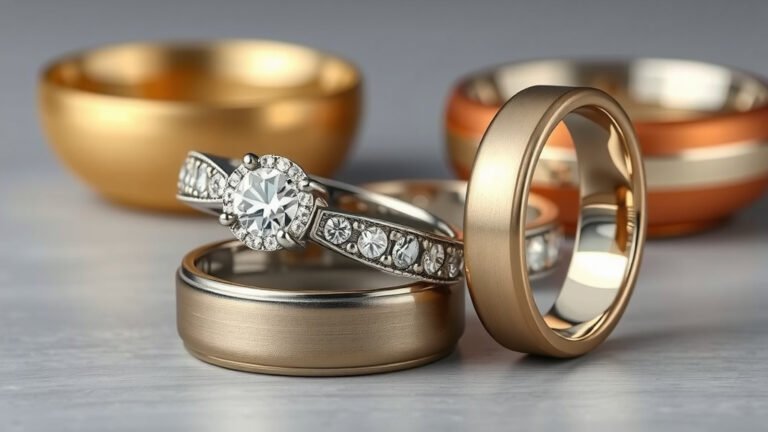
For sapphire rings, especially engagement rings, we recommend using durable metals. Platinum is a top choice. It’s naturally white, very strong, and hypoallergenic. It’s also heavier than gold. Many experts say platinum is an excellent, albeit pricier, option for everyday wear (American Gem Society).
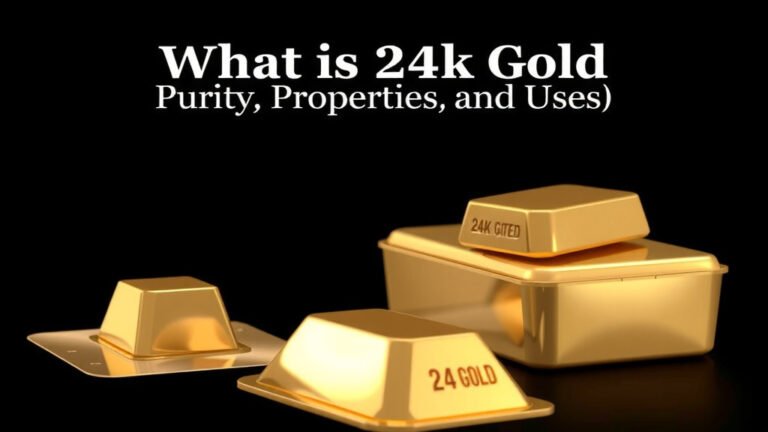
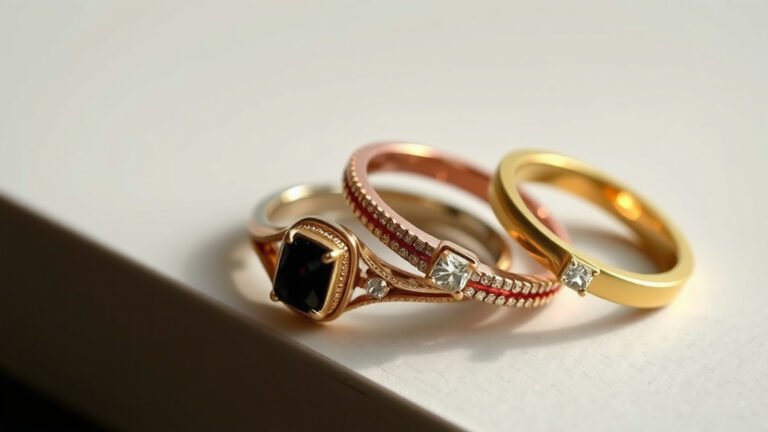
Gold is another fantastic choice. It comes in various colors: yellow, white, and rose. White gold offers a bright, modern look, while rose gold provides a warm, romantic hue. Yellow gold is classic and always elegant. We found that 14k or 18k gold offers a good balance of durability and purity. Higher karat gold (like 24k) is softer and more prone to scratching. White gold is another fantastic choice, offering a bright, modern look, and our guide explains what white gold is.
Setting Styles: Protection and Aesthetics
The setting is how the sapphire is held in place. A prong setting, like a four-prong or six-prong, allows the most light to enter the stone, maximizing its sparkle. However, it also leaves the sapphire more exposed to potential damage.
A bezel setting, where metal fully encircles the sapphire, offers superior protection. It’s a great choice for active lifestyles. We found that other popular settings include pave, halo, and three-stone designs, which can add extra sparkle and visual interest around your center sapphire.
Putting It All Together: Your Sapphire Ring Checklist
Ready to find that perfect sapphire ring? Here’s a quick rundown of what to keep in mind:
- Color: Aim for a rich, even hue that speaks to you.
- Clarity: Look for eye-clean stones; minor inclusions are fine.
- Cut: Ensure the sapphire sparkles beautifully.
- Metal: Choose a durable metal like platinum or gold.
- Setting: Select a style that balances protection and beauty.
- Personal Style: Does it feel like “you”?
Conclusion
You’re now equipped to choose a sapphire ring that you’ll cherish. Remember to prioritize the vibrant color and eye-clean clarity of the sapphire. Think about how the metal and setting will complement your lifestyle and personal style. We’ve found that balancing these elements ensures you get a beautiful and durable ring. Your next step is to visit a jeweler and see these stunning stones for yourself!
Frequently Asked Questions
Are sapphires as durable as diamonds for an engagement ring?
Yes, sapphires are incredibly durable, ranking a 9 on the Mohs hardness scale, just below diamonds (10). This makes them excellent for everyday wear and a fantastic choice for engagement rings that will be worn daily.
Can I find sapphires in colors other than blue?
Absolutely! Sapphires are known as “gemstones of all colors” and come in a stunning array of hues like pink, yellow, green, purple, and even colorless (white sapphires). Exploring these “fancy sapphires” can lead you to a truly unique piece.
How do I know if a sapphire’s color is “good”?
Look for a rich, well-saturated color that is evenly distributed throughout the stone. Avoid sapphires that appear too pale, too dark, or have noticeable color zoning. A “cornflower blue” or “royal blue” is highly prized for blue sapphires.
What’s the difference between a sapphire with inclusions and an eye-clean one?
Inclusions are natural characteristics within a sapphire. An “eye-clean” sapphire means you cannot see any of these inclusions with the naked eye. Minor, eye-invisible inclusions are perfectly acceptable and often contribute to a sapphire’s affordability and unique character.
Which metal is best for a sapphire ring: platinum or gold?
Both platinum and gold are excellent, durable choices. Platinum is naturally white and very strong, while gold comes in yellow, white, and rose tones. For everyday wear, 14k or 18k gold offers a great balance of beauty and resilience.