How to Clean a Ring With Vinegar: Easy Step-by-Step Guide
You can absolutely clean your rings with vinegar! A simple vinegar soak is a great way to remove tarnish and bring back the sparkle to many types of jewelry. Just be sure to check if your ring’s stones are safe for this method first.
Vinegar works by using its natural acidity to break down dulling residues. Many people have success using it for their everyday jewelry cleaning needs. It’s a common household item, making it a convenient and accessible option for most folks.
- Vinegar is a safe and effective cleaner for many rings.
- Its acidity helps break down tarnish and dullness.
- Always check your ring’s stones before soaking.
- A simple soak can make your jewelry shine again.
Ready to give your rings a new lease on life? Let’s walk through exactly how to use vinegar for a sparkling clean.
Your Guide to Cleaning Rings with Vinegar
So, your favorite ring is looking a little dull. We’ve all been there! You might be wondering if there’s a simple, at-home way to get that sparkle back. Vinegar is a fantastic solution for many cleaning tasks. Its natural acidity can work wonders on tarnish. Let’s dive into how you can safely use vinegar to clean your rings.
Is Vinegar Safe for My Ring? The Stone Check
Before you grab that bottle of white vinegar, there’s a super important step. You need to check what kind of stones your ring has. Not all gemstones react well to acidic cleaners like vinegar. Some can become damaged or lose their shine.
Which Stones Are NOT Vinegar-Friendly?
This is where we need to be extra careful. Porous or softer gemstones should generally stay away from vinegar. Think about materials that can absorb liquids or are easily etched.
- Pearls: These organic gems are very sensitive. Vinegar can cause them to pit and lose their luster.
- Opals: Opals have a unique structure. Their absorbed water content can be affected by harsh chemicals, leading to cloudiness.
- Turquoise: This stone is porous. It can soak up the vinegar, potentially changing its color or texture.
- Emeralds: Emeralds often have natural inclusions. Vinegar can sometimes seep into these fissures and cause damage or discoloration.
- Coral: Like pearls, coral is an organic material. It’s brittle and can be damaged by acidic solutions.
What About Metal?
Generally, vinegar is safe for most common metals used in jewelry. This includes sterling silver, gold, and platinum. It’s great at tackling the tarnish that forms on these metals. However, if your ring has any plating, especially a thin layer of gold or rhodium, vinegar might be too harsh. It could potentially wear away the plating over time.
Gathering Your Cleaning Supplies
You likely have most of these items already in your kitchen or bathroom. It’s like a mini spa day for your jewelry!
The Essential Items You’ll Need
Here’s what you should have on hand:
- White Vinegar: Plain white vinegar is your best bet. Avoid apple cider or other flavored vinegars.
- Warm Water: Just regular tap water will do.
- A Small Bowl: Something non-reactive where you can soak your ring.
- A Soft Brush: An old, soft toothbrush is perfect. You want something gentle.
- A Soft Cloth: Microfiber cloths are ideal for drying and polishing.
- Baking Soda (Optional): For a bit of extra scrubbing power if needed.
The Simple Vinegar Soak Method
This is the main event! It’s a straightforward process that delivers great results for many rings.
Step-by-Step Cleaning Instructions
Follow these steps carefully, and you’ll have a sparkling ring in no time.
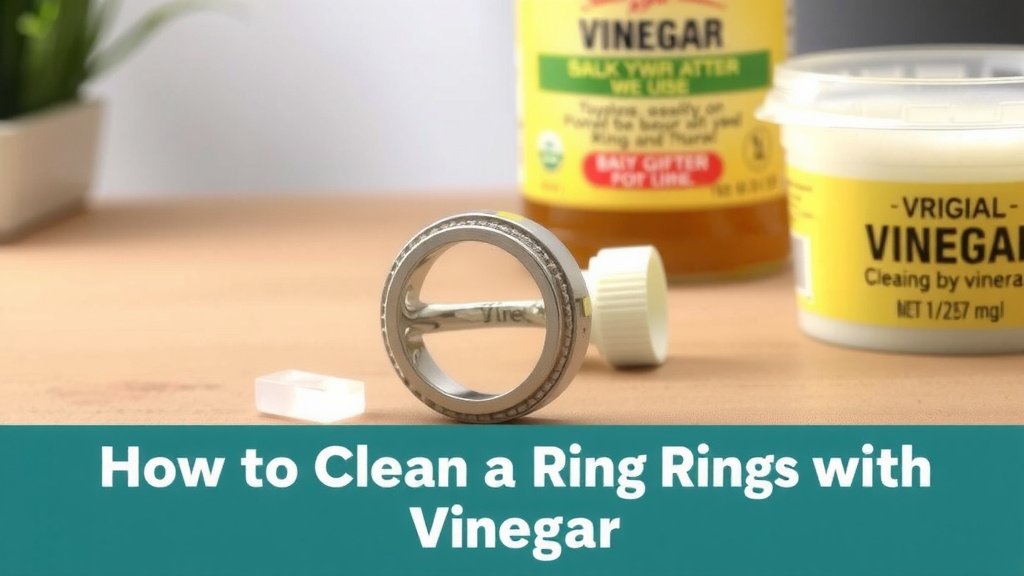
- Prepare Your Solution: Pour about 1/2 cup of white vinegar into your small bowl. Add about 1/2 cup of warm water. This dilutes the vinegar slightly, making it gentler.
- Soak Your Ring: Place your ring into the vinegar and water solution. Make sure the ring is fully submerged. Let it soak for about 10-15 minutes. For very tarnished rings, you might extend this slightly, but don’t go overboard.
- Gentle Scrubbing: After soaking, carefully remove your ring. Use your soft toothbrush to gently scrub any dull or tarnished areas. The soak should have loosened up most of the grime.
- Rinse Thoroughly: This is crucial! Rinse your ring under warm running water. Make sure all traces of the vinegar solution are gone. You don’t want any residue left behind.
- Dry and Polish: Gently pat your ring dry with a soft cloth. Then, buff it to a shine. You should notice a big difference already!
When a Simple Soak Isn’t Enough: Tackling Tough Tarnish
Sometimes, a standard soak just doesn’t cut it. For those stubborn spots, you can create a paste.
Making a Vinegar and Baking Soda Paste
Baking soda is a mild abrasive. When mixed with vinegar, it creates a fizzing action that can help lift tougher tarnish.
- Mix a tablespoon of baking soda with just enough white vinegar to form a thick paste.
- Apply this paste to the tarnished areas of your ring.
- Let it sit for a few minutes.
- Gently scrub with your soft toothbrush.
- Rinse thoroughly with warm water.
- Dry and polish as usual.
Remember, this paste is a bit more abrasive. Use it with extra care, especially on delicate metalwork.
A Quick Check-In: What to Do Next
You’ve cleaned your ring; how does it look? It’s always good to do a final inspection.
Assessing Your Ring’s Shine
Hold your ring up to the light. Are you happy with the results? If there are still a few dull spots, you can repeat the process. Ensure you’re rinsing and drying well between attempts.
When to Seek Professional Help
If your ring still doesn’t look its best after a couple of gentle cleaning attempts, or if you’re at all unsure about the stones, it might be time for a jeweler. They have specialized tools and solutions. They can also professionally clean and inspect your jewelry.
Maintaining Your Ring’s Sparkle
Keeping your rings clean doesn’t have to be a big chore. A little regular maintenance goes a long way.
Tips for Keeping Your Rings Shiny
Try to avoid exposing your rings to harsh chemicals regularly. Remove them before swimming or doing household chores.
A quick rinse with warm water and a gentle wipe-down can often do the trick for daily upkeep.
Consider a gentle cleaning like the vinegar method every month or two. This helps prevent heavy tarnish buildup.
Storing your rings properly also helps. Keep them in a soft cloth or a jewelry box to avoid scratches and minimize exposure to air.
Your Ring Cleaning Checklist
Ready to get started? Here’s a quick checklist to make sure you’re prepared:
- Check your ring’s stones: Are they vinegar-safe?
- Gather your supplies: White vinegar, warm water, bowl, soft brush, soft cloth.
- Prepare your cleaning solution: Mix vinegar and water.
- Soak and gently scrub: 10-15 minutes should do.
- Rinse thoroughly: No leftover vinegar!
- Dry and buff: Admire your sparkling ring!
Conclusion
You’ve learned how a simple bottle of white vinegar can be a surprisingly effective cleaner for many of your favorite rings. Remember, the key is to always check your ring’s stones and metal type before you start. With a quick vinegar soak and a gentle scrub, you can easily revive dull jewelry and restore its shine. Don’t forget to rinse thoroughly and dry your rings well afterwards. Ready to make your rings sparkle? Go ahead and give your tarnish-prone pieces a vinegar spa treatment!
Frequently Asked Questions
Can I use apple cider vinegar to clean my rings?
It’s best to stick with plain white vinegar. Apple cider vinegar and other flavored vinegars can contain sugars and other residues that might leave a sticky film on your jewelry or even cause unwanted discoloration. White vinegar is the simplest and most effective option for jewelry cleaning.
How often can I clean my rings with vinegar?
For most everyday rings, cleaning them with vinegar once a month or every other month is usually sufficient. If you notice your rings tarnishing quickly, you might need to clean them a bit more often. Over-cleaning, especially with the baking soda paste, could potentially affect certain metals or platings.
Will vinegar remove tarnish from gold-plated rings?
You should be very cautious when using vinegar on gold-plated rings. The acidity in vinegar can potentially wear away the thin layer of gold plating over time, leading to discoloration or damage. It’s generally safer to use a very mild soap and water solution for plated jewelry.
What if my ring has glue holding a stone in place?
Vinegar should be avoided if your ring uses glue to hold stones. The acidic nature of vinegar can weaken and dissolve adhesives, potentially causing the stone to loosen or fall out. For rings with glued-in stones, it’s best to opt for a gentle cleaning with mild soap and water only.
Is it safe to clean my diamond ring with vinegar?
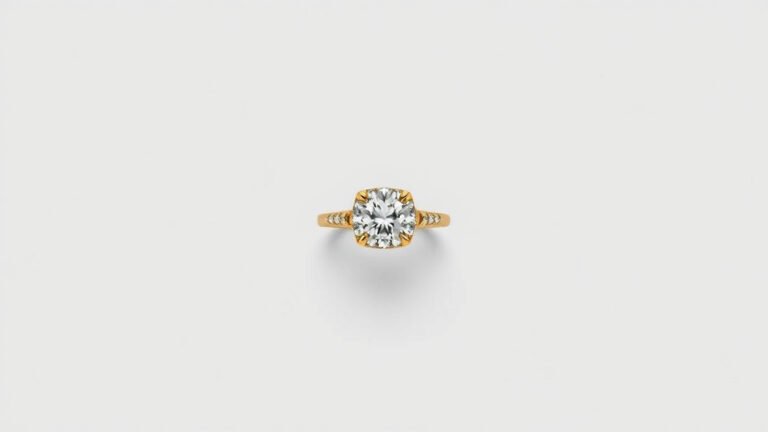
Yes, vinegar is generally safe for diamond rings. Diamonds are incredibly hard and resistant to acids. The vinegar can help remove grease and grime that might be dulling the sparkle of your diamond. Just be sure to check if the setting metal or any other stones in the ring are vinegar-safe.