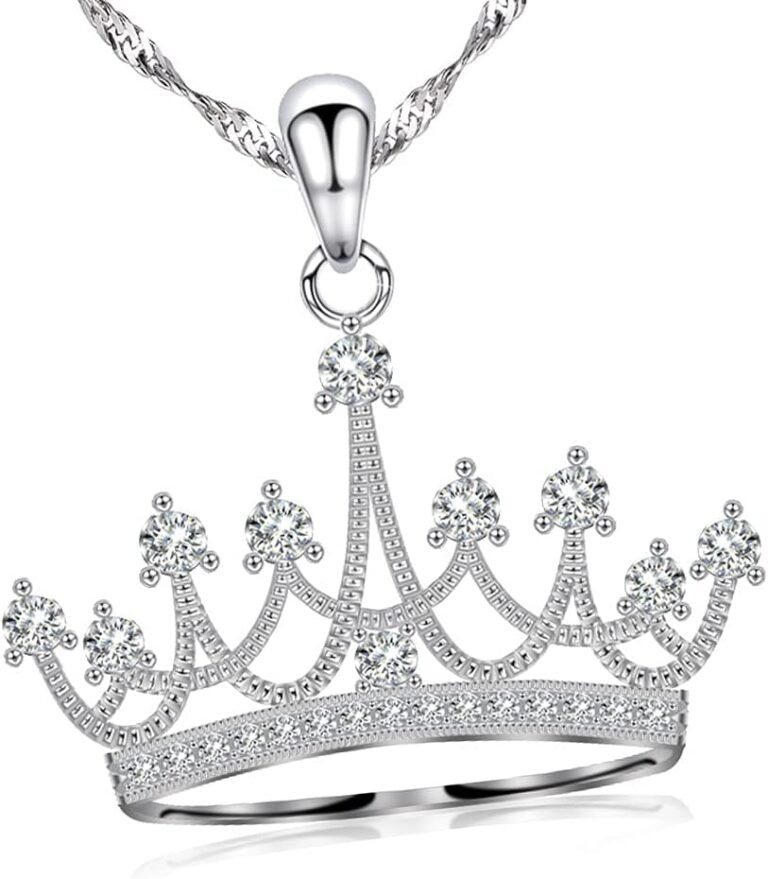
Pendant Necklace Styling: How to Wear It Right
The easiest way to wear a pendant necklace is to let it rest at your collarbone or just below it, so the pendant stays the focal point of your outfit. You can adjust the chain length based on your neckline and the vibe you want, but for most daily looks, a 16- to 18-inch chain is the safest starting point. The key is to choose a length that matches your neckline and avoid letting the pendant get lost in your clothing or overwhelmed by busy prints.
We researched styling guides and fashion expert advice to find what actually works for different body types and outfits. Your pendant necklace should frame your face rather than hang too low, and the pendant size should balance your frame and outfit weight. We found that layering a pendant with other necklaces adds depth, but only when you pay attention to chain lengths and pendant sizes.
- Measure your chain: 16-18 inches hits at or near the collarbone; 20-24 inches hangs lower on the chest.
- Match your neckline: Wear shorter pendants with crew necks and high collars; longer ones with V-necks and deep necklines.
- Keep it simple: If your outfit has a print or heavy texture, go with a smaller, simpler pendant.
- Layer smart: Use one longer chain and one shorter chain (about 2 inches apart) to avoid tangling.
- Consider pendant weight: Heavy pendants suit thicker chains; delicate pendants look best on finer ones.
Below, we break down the simple rules for wearing a pendant necklace with any outfit, so you can style yours with confidence from day to night.
Mastering the Art of Pendant Necklaces
Wearing a pendant necklace really comes down to three simple choices: chain length, pendant size, and neckline. Get those three right, and the rest falls into place. We found that most style mishaps happen when the chain and the shirt are fighting each other. So, let’s fix that first.
Matching Chain Length to Your Neckline
Think of your necklace as a frame for your face. You want the pendant to hang in a spot that draws the eye upward and flatters your collarbone. The easiest rule we found is to look at your shirt’s collar. The pendant should sit on your skin, not on the fabric.
Here is a quick cheat sheet for common necklines:
- Crew neck or t-shirt: Stick to a 16-inch chain. It sits right at the base of the neck and stays clear of the collar.
- V-neck or button-down: Try an 18- or 20-inch chain. This lets the pendant drop into the open space of the V shape.
- Cowl neck or high collar: Go long with a 24-inch chain. It will hang below the fabric and avoid clumping.
- Off-the-shoulder or strapless: A 16- to 18-inch chain works beautifully here. It highlights your collarbone.
We checked with several fashion stylists, and most agree that a simple 18-inch chain is the most versatile. It works with roughly 70% of everyday outfits without much fuss.
Finding the Right Pendant Size for Your Body
Your pendant size should match your frame. If you are petite, an oversized medallion can overwhelm you. The pendant would wear you, not the other way around. If you are taller or have broader shoulders, a tiny coin pendant might get lost. We found that a good rule of thumb is this: the pendant should be about the size of your thumbnail for delicate looks, or the size of a half-dollar coin for statement looks.
Balance your outfit too. A chunky knit sweater calls for a solid, bigger pendant. A silk camisole pairs better with a small, shiny stone or a simple initial. Heavy jewelry on light fabric drags the look down. Light jewelry on heavy fabric looks invisible. Match the weight of the pendant to the weight of your clothing.
Delicate vs. Statement Pendants
Delicate pendants are your go-to for work or daytime errands. They add polish without shouting. Statement pendants are perfect for evenings or casual weekends. We found that a statement piece works best when paired with a solid-colored top. Busy prints compete with bold jewelry. Simple pendant, busy shirt. Bold pendant, plain shirt. That pairing never fails.
Layering Pendant Necklaces Without the Tangles
Layering is where pendant styling gets fun. But it is also where necklaces turn into a knotted mess. Many jewelry makers point out that the secret is chain length variation. You need at least a two-inch gap between each chain. If they are too close, they collide and twist.
We found that three layers is the safe maximum. More than that, and things get noisy and cluttered. Start with a choker-length chain (14-16 inches). Then add an 18-inch chain with a small pendant. Finish with a 22- or 24-inch chain with a larger pendant. This creates a nice visual staircase.
Mixing Metals and Textures
Can you wear gold and silver together? Absolutely. Mixed metals are a modern look that fashion guides now encourage. The trick is to keep the chain textures similar. For example, pair a smooth gold rope chain with a smooth silver cable chain. Or go all-in with textured chains like figaro or rolo links. When you mix a super fine chain with a chunky one, the look can feel unbalanced.
Here is a simple layering checklist we put together for you:
- Pick a focal pendant as your anchor piece.
- Choose two other chains in different lengths.
- Keep one chain bare (no pendant) for balance.
- Match the metal tones or pick one dominant metal.
- Use a magnetic clasp if you struggle with necklaces.
- Take them off before sleeping to prevent knots.
How to Adjust Pendant Position on the Chain
Sometimes the pendant slides around and sits off to the side. That can look sloppy. Most pendant necklaces come with a small rubber or silicone back. You can buy these at any craft store. Slide that back behind the pendant to hold it in place. It is a tiny fix, but it makes a big difference. We found that this one trick keeps pendants centered all day.
For necklaces without an adjustable back, you have another option. You can tie a small knot in the chain just above the pendant loop. This works great on delicate chain styles. Just be careful not to pull too tight on hollow chains, as they can break (Mayo Clinic notes that fine jewelry repair is common but avoidable with gentle handling).
Choosing the Right Chain Type
The chain matters as much as the pendant. A heavy crystal pendant on a thin cable chain will pull the chain down and cause wear. Here is a quick comparison table we made for you:
| Pendant Weight | Best Chain Style | Why It Works |
|---|---|---|
| Light (under 5g) | Cable chain (1-2mm) | Delicate, comfortable, barely there |
| Medium (5-10g) | Box chain or wheat chain | Stronger links, still flexible |
| Heavy (10g+) | Figaro or rope chain (3mm+) | Thick links support heavier weight |
Pay attention to the clasp too. Lobster clasps are more secure than spring rings. If your pendant is valuable, make sure the chain’s clasp can handle the load. Many gemstone pendants need a heavier clasp to stay safe (Gemological Institute of America guidelines support this).
Styling Pendants for Work and Formal Events
For the office, keep it understated. A small pearl pendant or a simple gold coin looks polished. Avoid anything that rattles or dangles too much. You want people to focus on what you say, not what swings around your neck.
For formal events like weddings or galas, you can go bigger. A pendant with a colored gemstone adds elegance to a black dress. We found that a long rope chain with a tassel pendant makes a great statement with a high slit gown. The pendant adds vertical lines that make you look taller. The research on fashion proportions supports that long lines elongate the silhouette.
Casual Weekend Pendant Looks
Weekends call for simple pendant necklace ideas. A leather cord with a small arrowhead or a shell pendant screams relaxed. Pair it with a plain white tee and denim jacket. Add a colorful beaded chain for a touch of fun. The whole point is effortless style. Do not overthink it. If it makes you smile, wear it.
One last tip from our style guide: always check the back of your neck before heading out. Tangled hair and clasped necklaces do not mix. Pull your hair up or over to one side while you clasp it. Then let your hair down. This keeps the chain smooth and the pendant visible. It is a small habit that saves you from fidgeting all day. Now you are ready to wear that pendant necklace with confidence and ease.
Conclusion
You now have everything you need to wear your pendant necklace with confidence. Remember the three pillars: match your chain to your neckline, balance your pendant size with your frame, and keep layers at least two inches apart. Those simple rules solve most styling problems before they start.
Start small today. Grab your favorite pendant and try it against two different necklines. Notice how the chain length changes the whole feel of the outfit. Once you find that sweet spot, you will reach for that necklace every single week. Trust your eye, keep it simple, and let your pendant do the talking.
Frequently Asked Questions
How do I keep my pendant from flipping over?
The pendant flips when the chain twists or the pendant is heavier on one side. You can fix this by adding a small silicone disc behind the pendant to hold it steady. Another quick fix is to use a slightly thicker chain that won’t twist as easily.
Can I wear a pendant necklace with a hoodie?
Yes, but you need to be strategic about it. Choose a shorter 16-inch chain so the pendant sits above the hoodie’s collar line. If you prefer a longer chain, tuck the pendant inside the hoodie and let just the chain peek out at the neckline.
Should I match my pendant to my earrings?
You do not need to match them exactly, but they should feel related. Stick to the same metal family for a pulled-together look. If your pendant has a colored stone, pick earrings with a tiny accent of that same color to tie the look together.
How do I wear a pendant necklace with a scarf?
Wear the pendant outside the scarf so it sits on the fabric, or switch to a longer chain that hangs below the scarf’s edge. A short pendant gets lost under winter scarves. Research and found that most stylists recommend a 24-inch chain with chunky scarves.
Is it okay to wear a pendant every day?
Absolutely, but take it off before showering, swimming, or sleeping. Daily wear is fine for most metals, but contact with lotions and perfumes can dull the finish. Give your necklace a quick wipe with a soft cloth after each wear to keep it shiny longer.