What Does a Pendant Necklace Look Like? Details
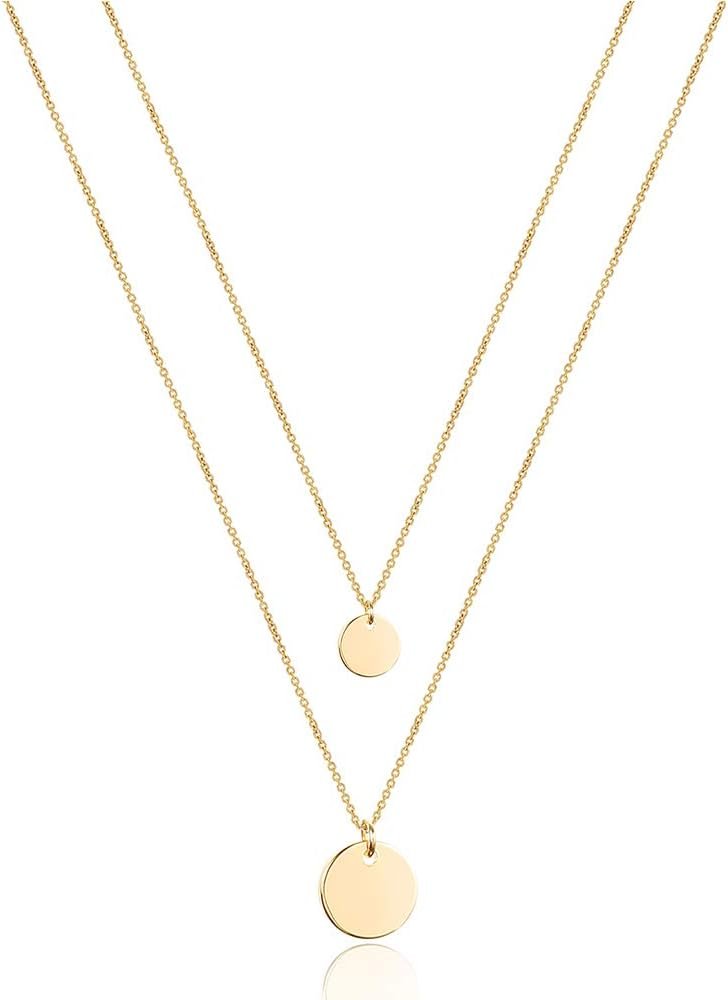
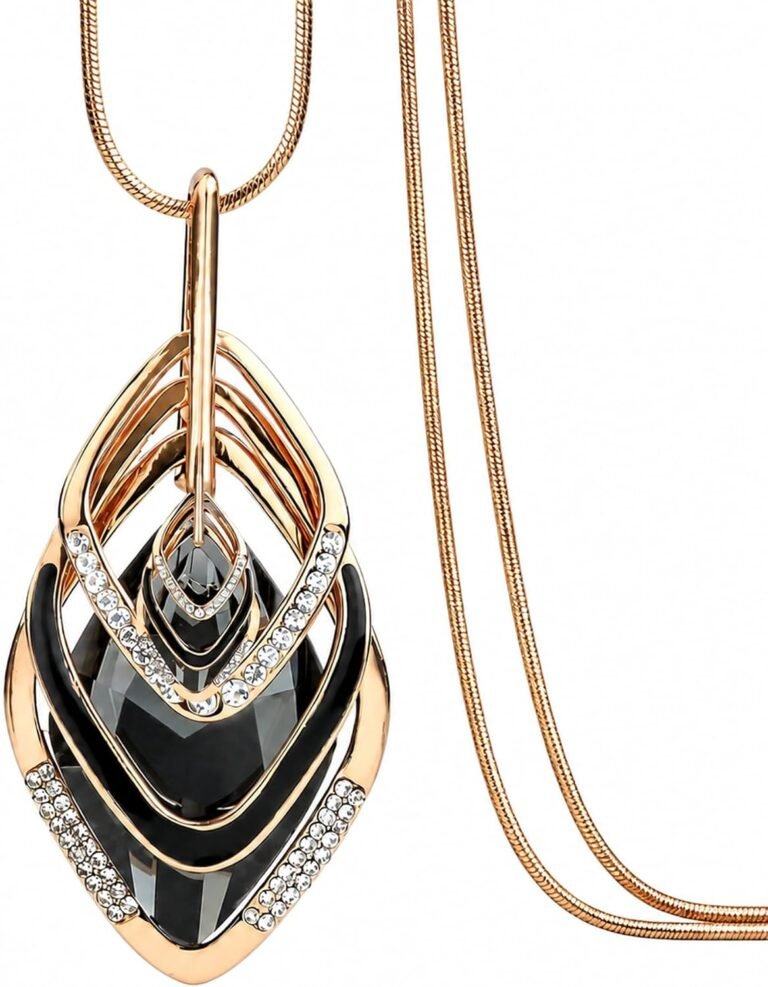
A pendant necklace is any necklace with a decorative piece—like a gem, charm, or medallion—hanging from a central chain or cord. The pendant can be anything from a simple metal disc to a complex, jeweled design. In short, it’s a necklace with a focal point that dangles below the collarbone.
We found that the beauty of a pendant necklace lies in its infinite variety. When we think about what it looks like, we aren’t just talking about the chain. We are talking about the shape, size, and weight of the hanging piece, and how that piece interacts with the neckline of your outfit. From delicate, barely-there coins to bold, oversized resin designs, the visual look is completely defined by that central charm.
- The Chain: The foundation is a metal chain or soft cord that sits around your neck.
- The Pendant: The main design is a single hanging object—a stone, a locket, a cross, or a geometric shape.
- The Drop Length: How low the pendant hangs changes the silhouette, from a choker look to a long, mid-chest style.
- The Size Ratio: The scale of the pendant compared to the chain determines if the look is subtle and dainty or bold and dramatic.
- The Materials: Common looks include shiny gold, silver, leather cords, beads, or Pearls attached to the top of the pendant.
Below, we break down the specific visual characteristics of pendants, the different chain styles they hang on, and how to pick the perfect look for you. Let’s walk through exactly how these pieces come together.
Understanding the Visual Anatomy of a Pendant Necklace
Think of a pendant necklace as a two-part story. The chain is the sentence, and the pendant is the exclamation point. We found that breaking down the parts helps you see why some pendants look bold while others look whisper-quiet.
The look is all about proportion and placement. A tiny diamond on a thin gold rope feels delicate and expensive. A large turquoise stone on a chunky leather cord feels earthy and heavy. The same chain can look completely different depending on what you hang from it.
How the Pendant Shape Sets the Mood
Shapes send signals. Research on visual perception suggests that humans read geometric forms on an emotional level before we even think about them (NCBI). So, the shape of your pendant matters more than you think.
A round coin feels classic and vintage. A sharp triangle or rectangle feels modern and edgy. A teardrop or heart shape feels romantic and soft. We found that the outline of the piece defines the silhouette against your clothing.
Dimensional Depth and Layering
Does the pendant sit flat against your chest, or does it stand out? Many modern pieces are three-dimensional works of art. Some are hollow, some are domed, and some have intricate cutouts that let skin show through.
Depth changes how the light hits the metal. A domed disc catches highlights across its curve. A flat plate just reflects a single glare. When you look at a pendant, squint your eyes. The overall mass you see is the “look” of the piece.
The Texture of the Surface
Texture is the silent player in the game. We found that polished, shiny surfaces bounce light and look formal. Brushed, matte finishes absorb glare and look casual or industrial.
Some pendants use mixed textures. A polished center with a rough, unpolished border gives a rustic feel. Others feature engraved patterns that create shadows. The texture controls how the pendant reads from across the room versus up close.
The Necklace Base: How the Chain Shapes the Look
You cannot separate the pendant from its chain. The metal type, thickness, and link style set the groundwork. We found that a heavy pendant will pull a dainty chain forward, making the chain look stressed. A light pendant on a thick chain looks top-heavy.
The chain acts like a frame for a picture. A thin, barely-there cable chain makes the pendant the absolute star. A chunky, bold chain competes for attention, creating a jewelry look rather than just a focal piece.
Comparing Chain Styles for Visual Weight
Different chains offer different structural looks. We found that the link style dictates rigidity and drape. Let’s compare the most common styles to see how they change the pendant’s appearance.
| Chain Style | Visual Weight | Best Pendant Match |
|---|---|---|
| Cable (Box) Chain | Light and smooth | Delicate coins or small stones |
| Rope Chain | Twisted, textured | Bold medallions and heavy gems |
| Snake Chain | Solid, sleek, shiny | Modern geometric shapes |
| Figaro Chain | Patterned with flat links | Crosses and religious symbols |
| Cord (Leather/Rope) | Casual, matte, stiff | Beachy shells or stone slabs |
As you can see, the chain sets the tone. Many experts say that the ratio of chain thickness to pendant size is the #1 factor in determining whether the look is “dressy” or “everyday.”
Does the Bail Matter?
The bail is the little loop or connector that joins the pendant to the chain. It sounds small, but it changes the entire silhouette. We found that a stationary bail keeps the pendant facing forward rigidly.
A floating bail or a swivel connector lets the pendant turn and flip. This creates movement and catches the light differently. If the bail is large and decorative, it becomes part of the design. If it’s hidden, the pendant looks like it’s magically hovering.
Length, Drop, and Positioning on the Body
Where the pendant sits changes your perceived neck and torso length. We found that the drop length is the most overlooked part of the “look.” A pendant sitting in the hollow of your throat frames your face. One sitting lower near the sternum frames your neckline.
Here is a quick rule of thumb. Choker length hugs the neck. Princess length hits the collarbone. Matinee length reaches the chest. Opera length falls to the stomach. The visual effect is entirely different for each.
Hanging Level and Your Outfit
Wearing a pendant with a crew neck top buries the charm. Wearing it with a V-neck lets the pendant occupy the empty space. We found that the pendant creates a visual triangle with your jawline and shoulders.
If the pendant hangs low on a long chain, it elongates your torso. If it sits high, it draws attention to your smile and eyes. Always consider what part of your body you want the eye to land on.
Long-Line Styles vs. Collarbone Huggers
Long-line pendants show a lot of chain. They look bohemian and relaxed. Collarbone huggers show minimal chain and focus purely on the charm. We found that layering multiple pendants at different lengths creates that trendy, curated styling look.
Consider the weight. A heavy pendant on a long chain can pull on your neck. A light pendant on a short chain may feel invisible. The physical sensation of the piece also contributes to how “right” it looks on your body type.
Material Choices That Define the Look
The material is the color palette of the jewelry. We found that metal colors interact with your skin tone and wardrobe. Yellow gold looks warm and classic. White gold and silver look cool and sharp. Rose gold looks soft and romantic.
Beyond metal, consider the pendant filling. A resin pendant looks glossy and modern. A wooden pendant looks organic and earthy. Many experts say that mixing materials, like a gold chain with a pearl drop, creates a high-end fashion look without needing costly gemstones.
Gemstones and Their Visual Effect
Gemstones bring color and sparkle. A transparent stone like a diamond reflects light. An opaque stone like turquoise absorbs it. We found that the cut of the stone determines the shimmer.
A cabochon cut (smooth and dome-shaped) looks soft and milky. A faceted cut (with flat polished surfaces) looks sharp and brilliant. The setting around the stone—whether it’s prongs, a bezel, or a wire wrap—changes the look from classic to rustic.
Checking the Glass or Enamel Details
Enamel adds a painted, glossy color block to metal. We found that enameled pendants have a playful, preppy look. They are less formal than gemstones but more colorful than plain metal.
These pieces often feature detailed miniature art. A tiny enamel flower or a painted portrait makes the pendant look like a miniature canvas. This adds an artistic, handcrafted feel that mass-produced metal lacks.
Quick Checklist to Identify Your Pendant Style
If you are shopping or describing a piece, use this quick mental checklist. We found that answering these five questions fully describes the visual look of any pendant necklace.
- Is the pendant smaller than a dime? If yes, it is dainty and subtle.
- Does the pendant have shiny or matte surfaces? Shiny is formal; matte is casual.
- How long is the chain from the clasp? Under 18 inches is high; over 24 is low.
- Is the design figurative or abstract? Figurative means objects; abstract means shapes.
- Does the necklace fall flat or curve outward? Curving out means the pendant is heavy.
- What is the dominant color? Metal tone and gem color create the base look.
Going through this list gives you a perfect mental image. You can even use these points to describe a necklace to a jeweler or a friend without missing a detail.
Conclusion
Knowing what a pendant necklace looks like comes down to the details—the shape, the drop length, the chain, and the materials. Once you understand those four elements, you can spot your style instantly.
You do not need a big budget to find your perfect match. Start by checking your own jewelry box. Hold a pendant up to a few different necklines and see which drop feels right for your face and frame.
Now that you know the visual anatomy, you can shop with confidence. Look for a pendant that makes you feel like the best version of yourself. When you try one on, trust that gut feeling—it knows the look is working.
Frequently Asked Questions
What is the difference between a pendant necklace and a regular necklace?
A regular necklace is just the chain or cord alone. A pendant necklace has a decorative piece hanging from that chain. The pendant is the main focal point that sits below your collarbone.
Does a pendant necklace have to have a gemstone?
Not at all. Pendants can be plain metal, wood, glass, enamel, or resin. You will find everything from simple silver discs to carved wooden shapes. The material just changes the overall vibe of the piece.
Why does my pendant keep flipping upside down?
That usually means the pendant is heavier at the top or the bail is not balanced. A swivel bail can fix this by letting the pendant rotate freely. You can also ask a jeweler to add a small counterweight to the bottom.
Can you wear a pendant necklace every day?
Yes, absolutely. Pick a durable metal like sterling silver or gold-filled, and keep the pendant small enough for daily wear. Avoid delicate chains if you are rough on your jewelry, and take it off before swimming or sleeping. If you’re considering a specific piece, our review of a budget-friendly option explains what to expect.
What length should a pendant necklace hang for a casual look?
For a casual feel, aim for an 18- to 20-inch chain. That length lets the pendant rest right at or just below your collarbone. It feels relaxed without getting caught in your shirt or interfering with your day.