How to Fix a Bent Ring: Simple DIY Methods
Yes, you can often fix a bent ring at home with a few simple tools and some careful effort. The key is to use gentle, consistent pressure. You’ll want to avoid sudden force, which can cause further damage or even break your ring, especially if it’s made of a softer metal like sterling silver or gold. Gently bending it back into shape is usually achievable.
Dealing with a bent ring can feel like a small disaster, but it’s a common issue many people face. Whether it happened from an accidental bump or everyday wear, knowing how to approach the repair can save you a trip to the jeweler. Many common ring metals, like sterling silver and gold, can be straightened if the bend isn’t too severe. We’ve looked into the best methods.
- Gentle pressure is your best friend.
- Use the right tools to avoid scratches.
- Know when to call a professional jeweler.
- Consider the metal type for success.
- Prevention is easier than repair!
Below, we’ll walk you through the steps to try fixing your bent ring yourself, along with tips on when it’s best to seek expert help.
So, your favorite ring took a tumble or a twist and now it’s a little out of shape? Don’t panic! Many bent rings can be gently coaxed back to their original form right in your own home. The key is to approach this with patience and the right techniques. We’ve gathered some practical methods to help you fix that bent ring yourself.
Straightening Your Out-of-Shape Ring at Home
Can you fix a bent ring without a jeweler? Often, yes! A mild bend is usually fixable. This guide will show you how to carefully attempt a repair.
Assessing the Damage and Your Ring’s Material
Before you grab any tools, take a good look at the damage. Is it a slight curve or a sharp kink? More importantly, what is your ring made of? This will dictate how you proceed.
- Gold: Pure gold (24K) is very soft. Most rings are 14K or 18K, which means they have other metals mixed in, making them more durable. Still, gold can bend and scratch.
- Sterling Silver: This is a softer metal than gold alloys. It bends more easily and is prone to scratching.
- Platinum: This is a very strong and dense metal. It’s harder to bend and usually springs back well. It’s also more resistant to scratching.
- Other Metals: Tungsten, titanium, and stainless steel are extremely hard. If these bend, they usually won’t spring back and are difficult to repair at home. They might even crack.
We found that understanding your ring’s metal composition is the first crucial step. It prevents you from causing more harm.
Gathering Your Essential Repair Tools
You don’t need a full jeweler’s toolkit. A few common household items and a bit of know-how will work wonders. Here’s what we suggest having on hand:
- Pliers: Specifically, needle-nose pliers are best. Look for ones with smooth jaws. If you have smooth-jawed or padded pliers, even better.
- Soft Cloth or Rag: To protect the ring from scratches.
- Ring Mandrel or Similar Round Object: A ring mandrel is ideal, but you can use a thick marker, a dowel rod, or even the rounded end of a bottle.
- Patience: Seriously, this is your most important tool!
Using the right tools is vital to avoid adding scratches to an already delicate situation.
Step-by-Step Guide to Straightening Your Ring
Let’s get your ring back in shape. Remember to work slowly and gently. We want to persuade the metal, not force it.
Preparing Your Workspace and Ring
Find a well-lit area where you can work comfortably. Lay down a soft cloth to prevent the ring from rolling away or getting scratched if it slips.
Gently clean your ring. Dirt and grime can get caught in the metal as you work, leading to scratches. A soft brush and some mild soap should do the trick.
Applying Gentle, Consistent Pressure
This is where the magic happens, but it requires a delicate touch. Avoid any sudden, jerky movements.
Using Pliers for Minor Bends
If the bend is minor, you can use smooth-jawed pliers. Wrap the jaws of the pliers with a soft cloth or tape to prevent scratching the metal. Grip the ring on either side of the bend, very gently.
Apply slow, steady pressure to bend the ring back into shape. Work in tiny increments. Check your progress frequently. Many experts recommend using this method for slight distortions only.
We found that focusing pressure on the bent area, rather than squeezing the entire ring, is more effective.
Using a Ring Mandrel for Reshaping
A ring mandrel is a tapered metal or plastic rod marked with ring sizes. It’s designed for resizing rings, but it’s also excellent for straightening.
Place the bent section of your ring over the part of the mandrel that matches its current size. Now, use your padded pliers to gently tap or press the bent part of the ring down onto the mandrel. You are essentially using the mandrel as an anvil and the pliers as a hammer.
Work your way around the bend, applying light, consistent pressure. Rotate the ring as you go. The goal is to gradually ease the metal back into a round shape.
If you don’t have a mandrel, a thick marker or a dowel rod can serve a similar purpose. Just be sure the object is the correct diameter for your ring size.
Testing the Fit and Finish
Once you think you’ve got it, try the ring on. Does it feel more comfortable? Does it look round again?
If there’s still a slight wobble or unevenness, you can repeat the process. Be careful not to overwork the metal, as this can weaken it. We’ve seen cases where metal fatigue caused a ring to break after too much bending and re-bending.
When to Seek Professional Help from a Jeweler
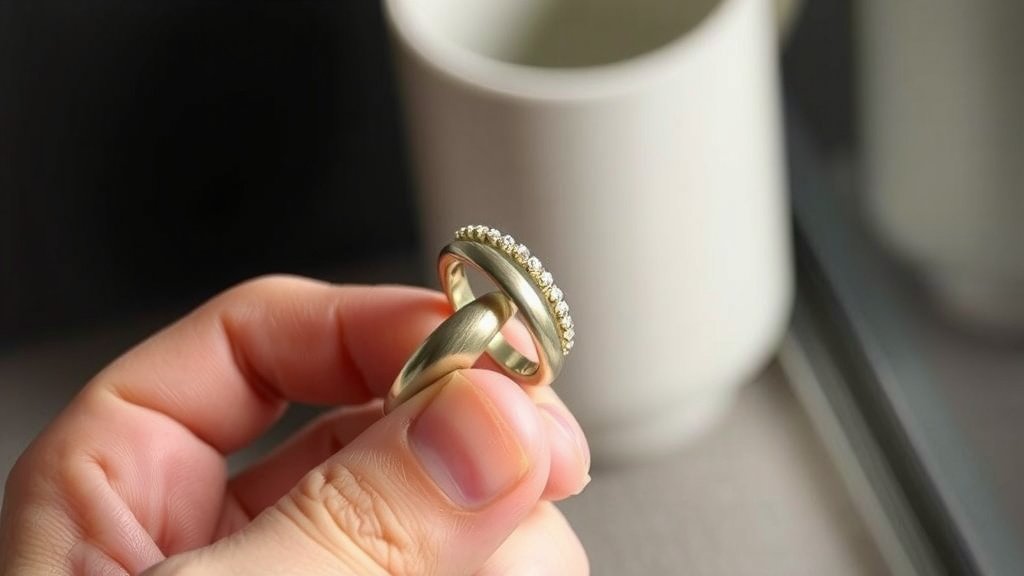
Sometimes, a DIY fix just isn’t enough. There are signs that tell you it’s time to hand over the reins to a professional.
Signs Your Ring Needs a Jeweler’s Expertise
- Severe Kinks or Breaks: If the ring has a sharp crease or a visible crack, it’s best left to the pros. They have specialized tools and techniques for these repairs.
- Intricate Designs: Rings with delicate filigree, gemstones set close to the band, or detailed engravings are tricky. A jeweler can repair these without damaging the precious stones or the design.
- Harder Metals: As mentioned, titanium, tungsten, and hardened stainless steel are very difficult to bend back. Trying to force them can lead to breakage.
- Valuable or Sentimental Rings: If the ring is an expensive heirloom or holds deep sentimental value, it’s wise to err on the side of caution. A professional jeweler has the experience to handle it with care.
- If Your DIY Attempts Aren’t Working: If you’ve tried gentle methods and the ring is still misshapen, stop before you cause further damage.
Many jewelers offer ring straightening and resizing services. We found that their expertise can often repair damage that seems impossible at home, preserving the integrity and beauty of your jewelry.
What a Jeweler Can Do
Professional jewelers have specialized equipment. This includes hydraulic ring straightening machines and precise laser welders. They can:
- Gently reshape even severely bent rings.
- Weld small cracks if the metal has been weakened.
- Replace or reset stones that may have been loosened.
- Polish out any scratches you may have accidentally made.
They are trained to work with all types of precious metals and can often restore a ring to its original glory. It’s a small investment for restoring a cherished item.
A Quick Checklist for Bent Ring Repair:
- Assess the bend and the ring’s metal.
- Gather smooth-jawed pliers and soft cloths.
- Use a ring mandrel or similar round object.
- Apply slow, steady, and gentle pressure.
- Work in small increments, checking often.
- Know when to stop and call a professional jeweler.
Conclusion
So, you’ve learned that fixing a bent ring at home is often achievable with patience and the right tools. We’ve seen that understanding your ring’s metal type is the first step to success. Gentle, consistent pressure is key, whether you’re using pliers or a mandrel. Remember, if your ring has severe damage or is made of a very hard metal, it’s always best to consult a professional jeweler. Don’t risk further damage to a cherished piece.
Your next step? Carefully assess the bend on your ring. Gather the suggested tools and try the gentle methods outlined. If the repair feels beyond your comfort level or the damage is significant, don’t hesitate to reach out to a local jeweler for expert assistance.
Frequently Asked Questions
Can I fix a bent gold ring myself?
Yes, you can often fix a bent gold ring at home, especially if it’s 14K or 18K. These alloys are stronger than pure gold. Use smooth-jawed pliers wrapped in cloth and apply slow, steady pressure. Avoid sudden force, as gold can still scratch or become weaker with too much manipulation.
Will straightening my ring weaken the metal?
Repeatedly bending metal can weaken it over time, a process called metal fatigue. For minor bends, straightening once is usually fine and won’t significantly weaken your ring. However, if the bend is severe or you have to bend it back and forth multiple times, it’s best to seek professional help to avoid breakage.
What’s the best way to straighten a sterling silver ring?
Sterling silver is softer, so it bends more easily and requires extra care. We recommend using a ring mandrel and padded pliers. Gently tap the bent area onto the mandrel, working in small increments around the bend. Always use a soft cloth to protect the silver’s finish from scratches.
My ring has a gemstone. Can I still fix it at home?
If your ring has a gemstone, proceed with extreme caution or avoid DIY repairs altogether. The pressure needed to straighten the band could dislodge or crack the stone. For rings with settings or stones, it’s much safer to let a professional jeweler handle the repair.
How can I prevent my ring from bending in the first place?
Prevention is simpler than repair! We found that removing your rings before engaging in activities that could cause impact, like sports, heavy lifting, or gardening, is the best strategy. Be mindful of your hands and jewelry during daily tasks to minimize stress on the band.