Understanding Yellow Gold: What It Is and Why It Shines
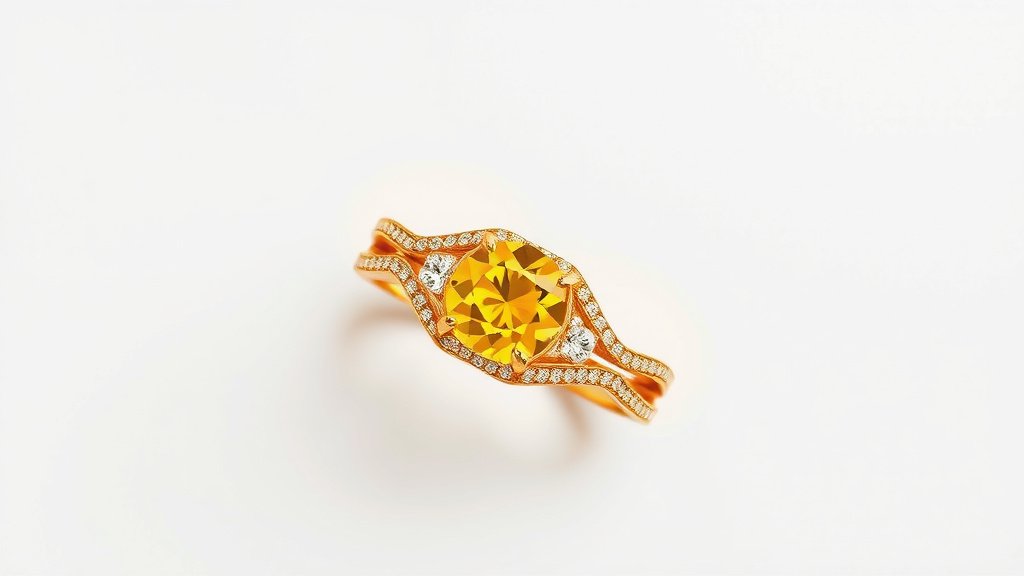
Yellow gold is a precious metal alloy, primarily made of pure gold mixed with other metals like copper and zinc. This mixture, called an alloy, makes the gold more durable for everyday wear. The exact shade of yellow depends on the proportions of the metals used in the alloy.
When you see yellow gold jewelry, it’s almost always an alloy. Pure gold, also known as 24-karat gold, is very soft and prone to scratching. Alloying it with other metals creates a stronger, more practical material for rings, necklaces, and bracelets. The karat system tells you how much pure gold is in the metal.
- Yellow gold is an alloy of pure gold with other metals.
- It’s made stronger and more durable than pure gold.
- The common shades depend on the specific metals mixed in.
- Karats (like 14k or 18k) indicate the amount of pure gold present.
- It’s a popular choice for its classic look and wearability.
Let’s dive into what makes yellow gold so special and how to choose the right kind for you.
Understanding Yellow Gold Jewelry
Yellow gold is the classic choice for many jewelry lovers. You probably have a piece or two in your jewelry box already. But what exactly makes it “yellow gold”? It’s all about the mix of metals it contains. While we call it yellow gold, it’s rarely pure gold.
The Magic of Alloying Gold
Pure gold, known as 24-karat (24k), is incredibly soft. Imagine a butter-like consistency; that’s close to pure gold’s malleability. It would scratch and bend with the slightest touch. Jewelry designers need a tougher metal to work with. This is where alloys come into play.
An alloy is simply a combination of two or more metals. For yellow gold, pure gold is mixed with other metals like copper, silver, or zinc. These additions make the gold stronger and more durable for everyday wear. The exact shade of yellow you see depends on which metals are added and in what amounts.
Copper’s Warmth
Adding copper gives gold a warmer, redder hue. It’s like adding a touch of sunshine to your metal. More copper means a deeper, rosier color.
Silver’s Subtle Touch
Silver, on the other hand, lightens the gold. It can create a paler, more delicate yellow. The balance between copper and silver is key to the final color.
Zinc and Other Metals
Sometimes, zinc or other metals are used. They help with the casting process and can fine-tune the color and durability. It’s a bit like a chef adjusting spices to get the perfect flavor.
Decoding the Karat System
When you’re shopping for yellow gold, you’ll see numbers like 10k, 14k, 18k, or 22k. This is the karat system. It tells you the purity of the gold.
Think of karats like a pie chart. There are 24 slices in total. The number of karats tells you how many of those slices are pure gold.
| Karat | Pure Gold Percentage | Alloy Percentage | Common Description |
|---|---|---|---|
| 24k | 99.9% | 0.1% | Pure Gold (too soft for most jewelry) |
| 22k | 91.7% | 8.3% | Bright Yellow, Very Rich |
| 18k | 75% | 25% | Rich Yellow, Durable |
| 14k | 58.3% | 41.7% | Classic Yellow, Very Durable |
| 10k | 41.7% | 58.3% | Lighter Yellow, Most Durable |
Which Karat is Right for You?
The karat number is a balance. More karats mean more pure gold. This gives you a richer yellow color. However, it also means the gold is softer. Lower karats have more alloy metals. This makes them stronger and more resistant to scratches. They are also often more affordable.
For everyday wear, especially for rings that get a lot of bumps, 14k or 10k are excellent choices. They offer great durability and a beautiful yellow hue. If you prioritize the purest, richest yellow and are careful with your jewelry, 18k is a wonderful option. 22k is less common for rings but is used for special pieces where its vibrant color is desired.
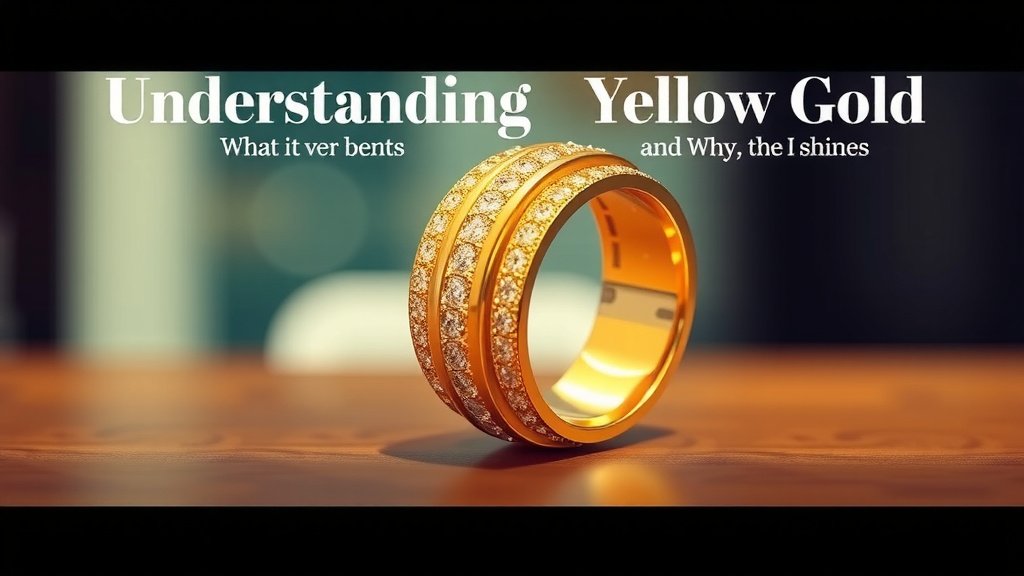
The Enduring Appeal of Yellow Gold
Why has yellow gold remained so popular for centuries? It’s more than just its shine. It’s a metal with a rich history and a timeless aesthetic.
A Timeless Color Palette
Yellow gold’s warm tone is incredibly versatile. It complements almost every skin tone beautifully. It feels bright and cheerful. Many people associate it with warmth, happiness, and luxury. It’s a color that never really goes out of style.
Versatility in Design
Yellow gold works well in countless jewelry designs. From delicate chains to bold statement pieces, it adapts. It looks stunning on its own. It also pairs wonderfully with gemstones, making diamonds and colored stones pop even more. Its classic look means it often becomes a cherished heirloom.
Durability for Life’s Adventures
As we’ve discussed, the alloying process makes yellow gold practical. You can wear your yellow gold pieces daily. While all gold can scratch over time, the alloys in 10k and 14k gold provide excellent resistance. This makes them perfect for engagement rings and wedding bands.
Investment and Value
Gold has long been considered a valuable asset. While jewelry is primarily about beauty and sentiment, the intrinsic value of gold is always there. The amount of pure gold in your piece contributes to its overall worth.
A Quick Checklist for Choosing Yellow Gold:
- Consider your lifestyle: active or more sedentary?
- Think about the color you prefer: deep yellow or lighter?
- Decide on your budget: karats affect price.
- Prioritize durability: 14k or 10k for high-wear items.
- Think about skin tone: yellow gold suits most.
- Remember the sentimental value: it’s about what feels right for you!
Conclusion
You’ve learned that yellow gold jewelry is a beautiful blend of pure gold and other metals. This alloy makes it strong enough for daily wear. Understanding karats helps you choose the right purity and color for your needs. From the rich warmth of 18k to the durable classic of 14k, there’s a perfect yellow gold for everyone. Consider your lifestyle and preferences to find a piece that will be cherished for years to come.
Your next step is to look at your current jewelry or perhaps plan your next purchase with this newfound knowledge. You can now shop with confidence, knowing exactly what makes yellow gold so special and how to pick the best kind for you.
Frequently Asked Questions
What is the difference between yellow gold and white gold?
Yellow gold gets its color from copper and silver alloys, giving it a warm, classic tone. White gold, on the other hand, is typically an alloy of gold mixed with white metals like palladium or nickel, then often plated with rhodium for a bright, silvery finish.
Is yellow gold good for everyday wear?
Yes, yellow gold is excellent for everyday wear, especially in lower karats like 14k or 10k. These alloys have more metals mixed in, making them harder and more resistant to scratches and dents compared to pure gold.
How do I clean my yellow gold jewelry?
You can gently clean yellow gold jewelry with warm water, mild soap, and a soft brush. Rinse thoroughly and pat dry with a lint-free cloth. Avoid harsh chemicals or abrasive cleaners that could damage the metal or any stones.
Can yellow gold tarnish?
Pure gold does not tarnish. However, the alloy metals mixed with gold in yellow gold jewelry, such as copper, can react with air and moisture over time, potentially causing a slight discoloration. Lower karat gold, with more alloy metals, is slightly more prone to this than higher karats.
Is yellow gold hypoallergenic?
Pure gold is hypoallergenic, but yellow gold alloys may not be. If you have very sensitive skin, check the specific alloy composition. Metals like nickel, sometimes used in white gold but occasionally in yellow gold alloys, can cause reactions in some individuals.