Understanding Diamond Clarity: A Buyer’s Guide
Diamond clarity refers to the absence of internal and external imperfections, called inclusions and blemishes, in a diamond. The fewer and less noticeable these flaws are, the higher a diamond’s clarity grade. It’s a key factor in determining a diamond’s beauty and value, and understanding it helps you make a smart choice.
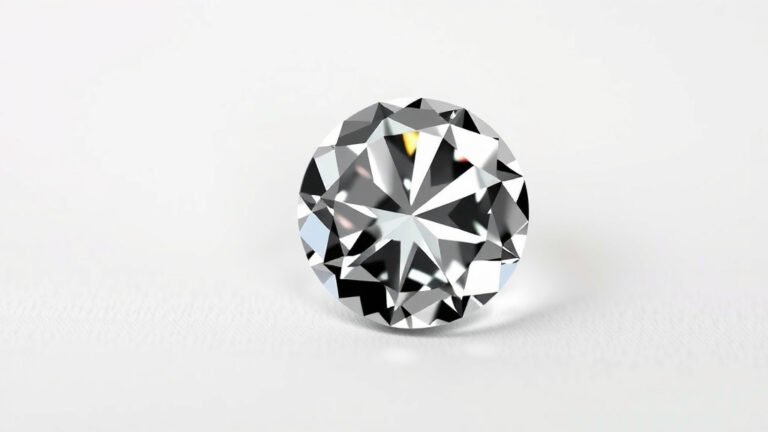
When gemologists evaluate diamond clarity, they look for tiny natural characteristics. These can be anything from tiny crystals to surface cracks. Higher clarity diamonds will appear more sparkly and brilliant because fewer internal features block light. This makes them highly sought after for fine jewelry.
- Diamond clarity measures tiny flaws inside (inclusions) and outside (blemishes) a gem.
- Fewer flaws mean higher clarity, which usually means a higher price.
- The GIA scale grades clarity from Flawless to Included.
- Even diamonds with slight imperfections can be beautiful and affordable.
Let’s dive into what diamond clarity really means and how it affects the sparkle you’ll see in your diamond.
Understanding Diamond Imperfections and Beauty
So, you’re looking to understand diamond clarity. That’s smart! It’s one of the 4 Cs of diamond quality. Clarity tells you about the tiny natural characteristics inside and on the surface of a diamond. Think of them as a diamond’s birthmarks.
These little marks, or lack thereof, can seriously impact how a diamond looks and how much it costs. We’re here to help you sort it all out. Let’s break down what clarity really means for your diamond shopping.
What Do Gemologists Look For?
When gemologists examine a diamond’s clarity, they use a microscope. They’re searching for two main things: inclusions and blemishes. These are graded under 10x magnification.
Inclusions: The Inside Story
Inclusions are the internal characteristics of a diamond. They formed while the diamond was growing deep within the earth. Common inclusions include tiny crystals, feathers, or clouds. Sometimes, they look like little white dots or dark spots.
Most inclusions are far too small to see with the naked eye. They’re like secret features only a microscope can reveal. Many people find that even diamonds with minor inclusions are still absolutely stunning.
Blemishes: The Surface Scratches
Blemishes are the external characteristics on the diamond’s surface. These can happen during the cutting and polishing process. They might look like tiny nicks, extra facets, or surface grain lines.
While some blemishes can affect sparkle, many are minor. A skilled diamond cutter can often polish away surface blemishes. This means they might not significantly impact the diamond’s overall appearance to the average person.
The GIA Clarity Scale: Your Grading Guide
The Gemological Institute of America (GIA) created the most widely used clarity grading system. It’s a standard for the industry. Understanding this scale helps you compare diamonds fairly.
The scale ranges from Flawless (FL) to Included (I3). Each grade has specific criteria based on the size, number, location, and nature of any inclusions or blemishes.
| GIA Clarity Grade | Description |
|---|---|
| FL (Flawless) | No inclusions or blemishes visible under 10x magnification. Extremely rare. |
| IF (Internally Flawless) | No inclusions visible under 10x magnification. May have minor blemishes. |
| VVS1, VVS2 (Very, Very Slightly Included) | Inclusions are difficult to see under 10x magnification. |
| VS1, VS2 (Very Slightly Included) | Minor inclusions are visible under 10x magnification, but not to the naked eye. |
| SI1, SI2 (Slightly Included) | Noticeable inclusions under 10x magnification. May be visible to the naked eye in some SI2 diamonds. |
| I1, I2, I3 (Included) | Inclusions are obvious under 10x magnification and often visible to the naked eye. May affect sparkle. |
How Clarity Affects Sparkle and Price
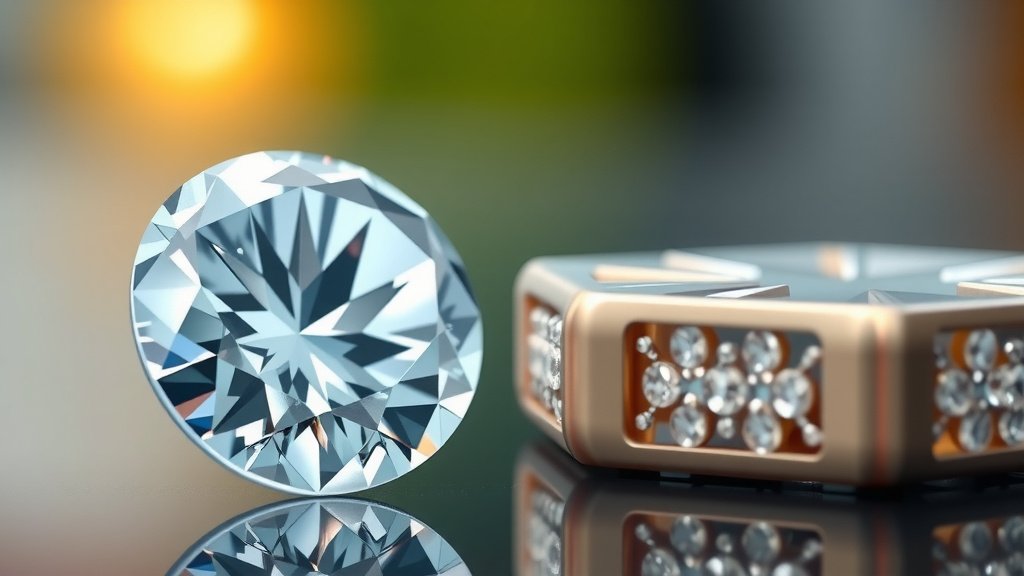
You might be wondering why clarity matters so much. Well, clarity directly impacts a diamond’s brilliance and fire. Inclusions and blemishes can block or scatter light. This means less light can bounce around inside the diamond and return to your eye as sparkle.
Generally, the higher the clarity grade, the more the diamond will sparkle. This is because there are fewer internal obstructions. Naturally, diamonds with higher clarity grades are also more rare. This rarity contributes to a higher price tag.
The Naked Eye Test: Does it Really Matter?
This is a big question for many shoppers. Can you see the flaws without a magnifier? For most diamonds graded VVS, VS, and even many SI1s, the answer is no.
A diamond that looks clean to the naked eye is often called “eye-clean.” This is a really popular choice because you get beautiful sparkle without paying the premium for a Flawless stone. Many experts agree that an eye-clean diamond offers excellent value.
Finding Your Sweet Spot
You don’t need a perfect diamond to have a beautiful one. Many shoppers find that diamonds in the VS or SI clarity grades offer the best balance. They look eye-clean and provide fantastic sparkle. Plus, they come at a more accessible price point than IF or VVS diamonds.
Think of it this way: you’re looking for a diamond that makes your heart sing. It doesn’t have to be microscopically perfect. It just needs to be beautiful to you.
Tips for Choosing Your Diamond Clarity
Here’s a quick checklist to help you navigate diamond clarity:
- Understand the GIA clarity scale.
- Decide if “eye-clean” is your goal.
- Consider VS or SI grades for good value.
- Ask to see diamonds under magnification.
- Trust your eyes – does it look beautiful to you?
- Don’t be afraid of minor inclusions if they don’t show.
Conclusion
Understanding diamond clarity is a smart step in your jewelry journey. You’ve learned that clarity refers to a diamond’s internal and external imperfections, graded on the GIA scale. Remember, most inclusions and blemishes aren’t visible to the naked eye, making “eye-clean” diamonds a fantastic choice. You don’t need a flawless stone for stunning sparkle. Focus on finding a diamond that looks beautiful to you and fits your budget. Your next step is to visit a jeweler with this knowledge, ask to see diamonds side-by-side, and trust your own eyes to find that perfect sparkle.
Frequently Asked Questions
Do I really need a diamond with perfect clarity?
Not at all! Many diamonds with minor inclusions are still eye-clean and offer incredible sparkle. A Flawless diamond comes with a much higher price tag due to its rarity, but you might not see a difference with the naked eye.
Can I see diamond inclusions without a magnifying glass?
For most diamonds graded VVS, VS, and even many SI1 diamonds, inclusions are too small to be seen without magnification. Only diamonds in the lower SI2 and I grades typically show inclusions to the naked eye.
What is the difference between an inclusion and a blemish?
Inclusions are internal characteristics, like tiny crystals or feathers, formed during the diamond’s growth. Blemishes are external flaws, such as scratches or pits, usually occurring during the cutting or polishing process.
Are VS and SI clarity diamonds good enough for engagement rings?
Absolutely! VS and SI clarity grades often represent the sweet spot for engagement rings. These diamonds usually appear eye-clean and offer excellent sparkle, providing great beauty and value without the premium price of higher grades.
How does clarity affect a diamond’s sparkle?
Clarity impacts sparkle because internal flaws can interfere with how light travels through the diamond. Inclusions and blemishes can block or scatter light, reducing the brilliance and fire you see. Fewer flaws mean more light reflection, leading to greater sparkle.