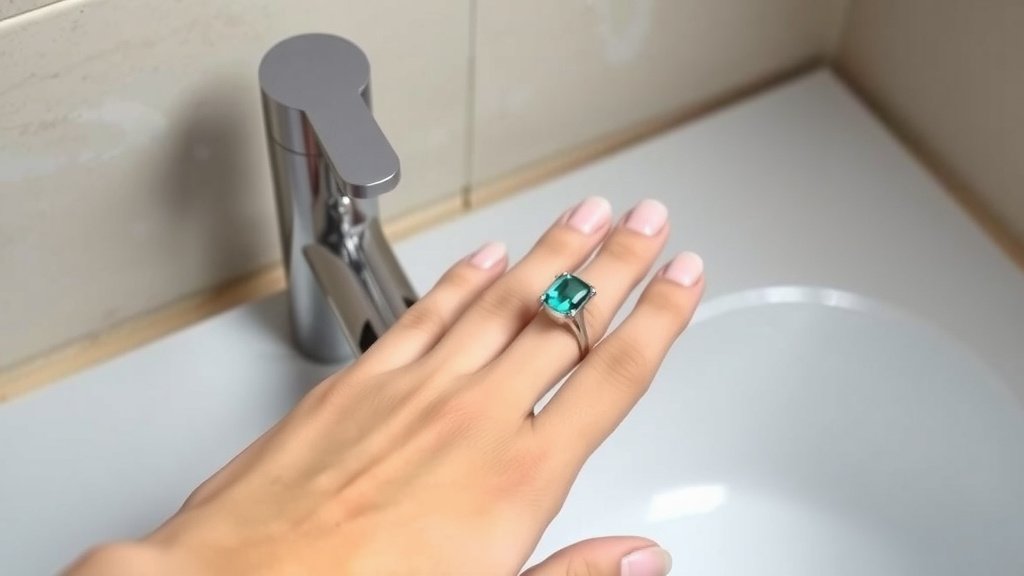
Showering with your ring on: Safety and care tips
Yes, you can generally shower with your ring on, but there are some important things to consider. While it’s often safe for many types of rings, water and soap can sometimes make rings slippery and hard to grasp. This means a higher risk of accidentally dropping or losing your precious jewelry down the drain.
Many people worry about their wedding bands or engagement rings getting damaged in the shower. We found that while some materials are quite durable, harsh soaps and high heat can slowly wear down certain stones or metals over time. It’s wise to know your ring’s specifics before making it a shower buddy.
- Yes, showering with rings is usually okay.
- Be careful – rings can get slippery.
- Consider your ring’s material and stones.
- Harsh soaps might affect certain metals.
- Always know where your ring is!
Below, we’ll walk you through exactly what you need to know about showering with your ring, so you can make the best choice for your jewelry.
Keeping Your Rings Safe and Sound in the Shower
So, you’re standing in the shower, water warming up, and you glance at your finger. Should that beautiful ring stay on? We’ve researched this common question, and the answer is generally yes, you can shower with your ring on. But it’s not a simple yes or no for everyone or every ring. Think of it like taking your car through a car wash; most are fine, but some delicate or custom jobs might need a bit more care.
The main concern isn’t usually the water itself. Most common ring metals can handle a splash. The real worries are about slipping and potential damage. We want to make sure you feel confident about keeping your precious jewelry safe and looking its best for years to come. Let’s break down what you need to know.
Understanding Your Ring’s Materials
The first step in deciding if your ring can join you for your daily cleanse is to know what it’s made of. Different metals and stones react differently to water, soap, and heat. It’s like knowing if your favorite sweater is dry-clean only or machine washable.
Common Ring Metals and Water Exposure
Most everyday jewelry metals are pretty resilient. Think of gold, platinum, and stainless steel. These are generally resistant to tarnishing and damage from water. We found that even prolonged exposure to water typically won’t harm them.
- Gold: Pure gold is soft, so most gold rings are an alloy (a mix of metals). Yellow gold is usually quite durable. White gold is often plated with rhodium, which can wear down over time with friction and chemicals.
- Platinum: This is a very dense and durable metal. It doesn’t tarnish and is highly resistant to corrosion from water and soap.
- Silver: Sterling silver (92.5% silver) can tarnish when exposed to sulfur compounds, which are sometimes found in soaps and even in the air. Showering could potentially speed up this tarnishing process.
- Titanium, Tungsten, and Stainless Steel: These modern metals are incredibly strong and resistant to scratching and corrosion. They hold up very well to water and soap.
Gemstones and Their Shower Habits
The stones in your ring are often more sensitive than the metal. Some gems can be damaged by the chemicals in soaps or the heat of the shower.
We found that porous stones can absorb water and cleaning agents, leading to discoloration or structural weakening. Softer stones are also more prone to chipping from accidental bumps.
- Diamonds: Diamonds are very hard and generally safe. However, oils and soaps can build up on their surface, dulling their sparkle. A quick rinse might be okay, but regular showering could mean more frequent polishing.
- Rubies and Sapphires: These are durable gemstones. They typically withstand showering well, but it’s still wise to be cautious with very hot water or harsh soaps.
- Emeralds, Opals, Pearls, and Turquoise: These are on the more delicate side. Emeralds can have inclusions that make them brittle. Pearls and opals are porous and can absorb water and chemicals, leading to damage or a loss of luster. Turquoise can also be porous. Many experts advise removing these types of rings before showering (American Gem Society).
The Risks of Showering With Your Ring On
While your ring might survive the shower physically, there are other risks to consider. The most common problem is a simple one: slipping.
The Dreaded Slippery Ring Scenario
Soaps and shampoos create a slippery environment. When combined with the smooth surface of a ring, it’s a recipe for potential disaster. You might be washing your hair and suddenly feel your ring become looser than usual. It can slide right off your finger before you even realize it.
We found that this is especially true for people whose fingers tend to swell slightly with heat or in humid conditions. What felt snug before the shower might become dangerously loose once the water and soap come into play. Losing a ring down the drain is a deeply frustrating experience. The risk of losing your ring increases if your fingers tend to swell, especially in the shower.
Damage from Heat and Chemicals
While most metals are okay, prolonged exposure to high heat and chemicals in soaps can have a subtle effect. Think of it like repeated washing of a delicate fabric; over time, it can lose its shape or color.
Harsh soaps or bath products can sometimes strip away protective coatings on certain rings. For example, the rhodium plating on white gold can be affected. Also, very hot water can cause metals to expand slightly, potentially making a ring looser temporarily.
When to Definitely Take Your Ring Off
There are certain situations where it’s best to err on the side of caution and remove your ring before you step into the shower.
- Delicate or Antique Rings: If your ring is an heirloom or has intricate details, it’s probably best to leave it off. Water and soap could potentially damage delicate settings or engravings over time.
- Rings with Soft or Porous Gemstones: As we discussed, gems like pearls, opals, emeralds, and turquoise are more vulnerable. Protect them by taking them off.
- If Your Ring Feels Loose: Even if it’s just a little bit loose, the shower is not the time to test its security. Better safe than sorry!
- When Using Harsh Cleaning Products: If you’re using abrasive cleaners or strong chemicals for anything around the shower area, it’s wise to remove your rings.
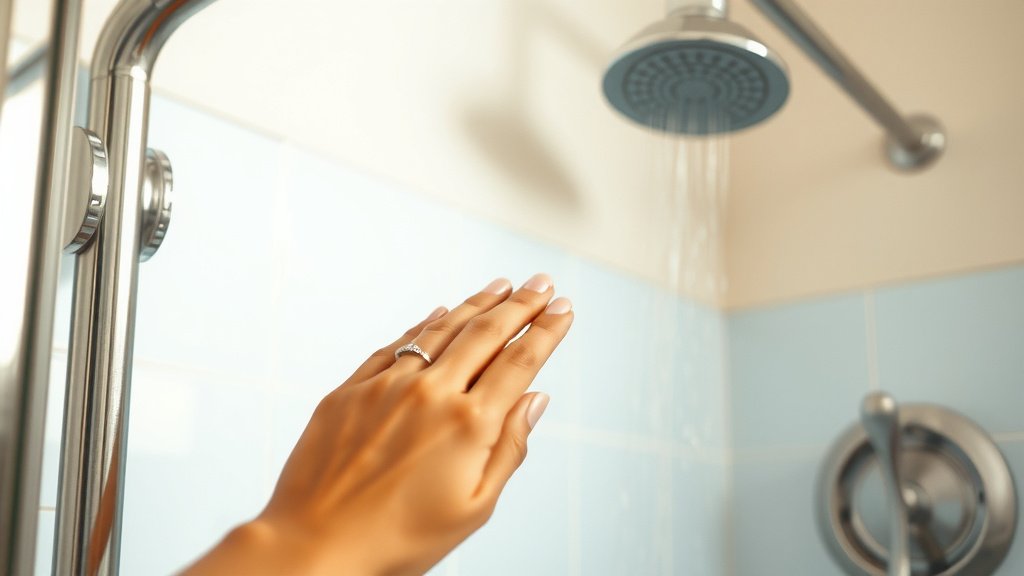
Tips for Keeping Your Ring Safe in the Shower
If you decide showering with your ring on is okay for you, or if you forget to take it off, here are some ways to minimize risks. It’s all about being mindful and taking small precautions.
Secure Storage for Shower Time
The best way to prevent loss is to have a designated, safe spot for your ring when you’re not wearing it. Many people use a small jewelry dish right outside the shower or in their bathroom cabinet.
We found that having a consistent place makes it less likely you’ll forget where you put it. Some bathrooms even have small shelves or hooks specifically for this purpose. Just make sure it’s not somewhere easily knocked over!
Gentle Cleaning During Your Shower
If your ring is made of durable materials and you don’t mind a little extra scrubbing power, you can actually clean your ring while showering. Use a mild soap and a soft brush. If your ring is made of durable materials, you can actually clean your ring while showering.
This can be a good way to remove everyday grime and restore some shine. Just be extra careful about grip. Rinse thoroughly and dry it immediately to prevent water spots or tarnish. For softer stones, this is not recommended.
Post-Shower Ring Care
After your shower, if you wore your ring, it’s a good idea to give it a little attention. Make sure it’s completely dry. You can gently pat it with a soft cloth.
This helps prevent moisture from getting trapped under the ring, which can sometimes irritate the skin or affect certain metal finishes over time. It also ensures your ring looks its best!
Quick Checklist: Showering with Your Ring
To help you decide, here’s a quick rundown:
- Know your ring’s materials: Metal and stone type matter.
- Assess gemstone hardness: Softer stones need extra care.
- Consider your ring’s fit: Is it snug or a bit loose?
- Be mindful of soaps: Harsh chemicals can cause issues.
- Have a safe spot: Store it securely when not worn.
- Dry thoroughly: Always dry your ring after exposure to water.
Conclusion
So, can you shower with your ring on? The answer is a nuanced yes. While many rings can handle your daily shower, it’s not a universal green light. Your ring’s material and gemstones are the biggest factors. Delicate stones or porous metals might not fare as well with regular soap and hot water exposure. The risk of slipping and losing your ring is also a major concern. Ultimately, the best choice depends on your specific jewelry and your comfort level. For peace of mind, always consider having a safe spot for your ring when you shower.
Frequently Asked Questions
Will showering with my ring on damage the metal?
For most common metals like gold, platinum, and stainless steel, showering is unlikely to cause significant damage. However, softer metals or those with plating, like white gold, can experience wear over time from friction and chemicals in soaps.
Can soap ruin the sparkle of my diamond ring in the shower?
Soap and shampoo residue can build up on a diamond’s surface, making it appear dull and less sparkly. While the diamond itself is very hard, the oils and films can obscure its brilliance, meaning you might need more frequent cleaning.
What should I do if my ring feels loose after showering?
If your ring feels looser after showering, take it off immediately and place it in a secure location. Finger size can fluctuate with heat and humidity. It’s best to wait for your finger to return to its normal size before wearing it again.
Are there any specific ring materials I should always remove before showering?
Yes, you should always remove rings with softer or porous gemstones like pearls, opals, emeralds, and turquoise. Also, be cautious with sterling silver, as it can tarnish more quickly with exposure to shower products.
Is it better to clean my ring while showering or separately?
For everyday grime on durable rings, a gentle clean during your shower can be effective, but be extremely careful not to drop it. For delicate rings or gemstones, it’s always safer to clean them separately with mild soap and a soft brush when they are not on your finger.