
Should You Wear Rings in the Pool?
Yes, you can generally wear rings in the pool, but there are important things to consider. While your precious rings are usually safe from pool water itself, the real risks involve losing them or potential chemical damage over time. It’s wise to be cautious with your favorite jewelry near water.
Many people enjoy swimming with their wedding bands or other special rings. However, factors like chlorine in the water and the possibility of a ring slipping off are key concerns. Understanding these risks can help you make the best decision for your jewelry.
- Pool water is usually fine for most rings.
- The biggest risk is losing your ring.
- Chlorine can affect certain metal types.
- Consider a silicone ring for swimming instead.
- Always remove rings if you feel unsure.
Let’s dive into the details so you can confidently decide whether to keep your rings on or leave them safely on dry land.
Swimming with Your Rings: What You Need to Know
So, you’re heading to the pool and wondering if your favorite rings can come along for the ride? It’s a common question, and the answer isn’t a simple yes or no. While your rings are generally safe from the water itself, there are other factors to consider. We’ve looked into it, and here’s what you should know before diving in.
Can Your Rings Handle the Pool Water?
Most of the time, the water in a swimming pool won’t harm your rings. Think about it: your jewelry is designed to be worn daily. That means it’s already exposed to things like soap, lotion, and even the occasional shower. Pool water, for the most part, is just water with some added chemicals.
Understanding Pool Chemicals and Your Rings
The main chemical concern is chlorine. Chlorine is fantastic at keeping pools clean and germ-free, but it can sometimes react with certain metals. We found that prolonged exposure to high levels of chlorine can potentially dull or even slightly etch the surface of some metals over time.
Metals to Watch Out For
Gold, especially lower karat gold like 10K or 14K, contains more alloy metals. These alloys are more susceptible to chemical reactions than pure gold. You might notice a slight discoloration or a less shiny appearance if your ring is frequently exposed to chlorinated water. You might notice a slight discoloration or a less shiny appearance if your ring is frequently exposed to chlorinated water, especially with lower karat gold.
Silver is another metal that can be affected. Chlorine can cause silver to tarnish more quickly. You might see a darkening of your silver ring sooner than you would with regular wear.
Platinum and palladium are generally very resistant to chlorine. These metals are less reactive, making them a safer bet if you’re worried about chemical damage. However, even these can sometimes show minor effects with extreme exposure.
What About Other Pool Treatments?
Some pools use bromine instead of chlorine. Bromine is generally considered a bit gentler on metals than chlorine, but the same principles apply. Other sanitizers might also have minor effects, though less commonly reported.
The Bigger Worry: Losing Your Rings
Honestly, the biggest risk isn’t the water damaging your ring; it’s losing it. Pools can be tricky places for small, precious items. You’re often moving around a lot, splashing, and maybe even going underwater.
Slipping Off: A Common Problem
Has your finger ever shrunk slightly in the cold water? It happens! When your fingers get cold, they can contract just enough for a ring to become loose. Then, a strong splash or even just the movement of swimming could send your ring flying.
We’ve heard stories about rings slipping off fingers, especially when diving or doing flips. Once a ring is in the pool water, finding it can be nearly impossible. Pools are large, and rings are small. It’s like finding a needle in a haystack, but much harder.
Factors That Increase the Risk of Loss
- Loose Fit: If your ring already feels a bit loose, the pool is not the place to test its security.
- Strong Currents: Even in a wave pool or with strong swimmers nearby, the water movement can dislodge a ring.
- Getting Out: When you climb out of the pool, water droplets can make your fingers slippery. This is a prime time for a ring to slide off.
Is the Drain a Ring’s Final Destination?
Yes, unfortunately, pool drains are a real concern. If a ring is loose enough to slip off, it can easily be sucked towards the drain. While many drains have covers, a determined ring might still find its way through or get caught.
Pool staff often find lost jewelry near drains, but retrieving it can be a whole process. It’s best to avoid this stressful situation altogether by keeping your rings secure.
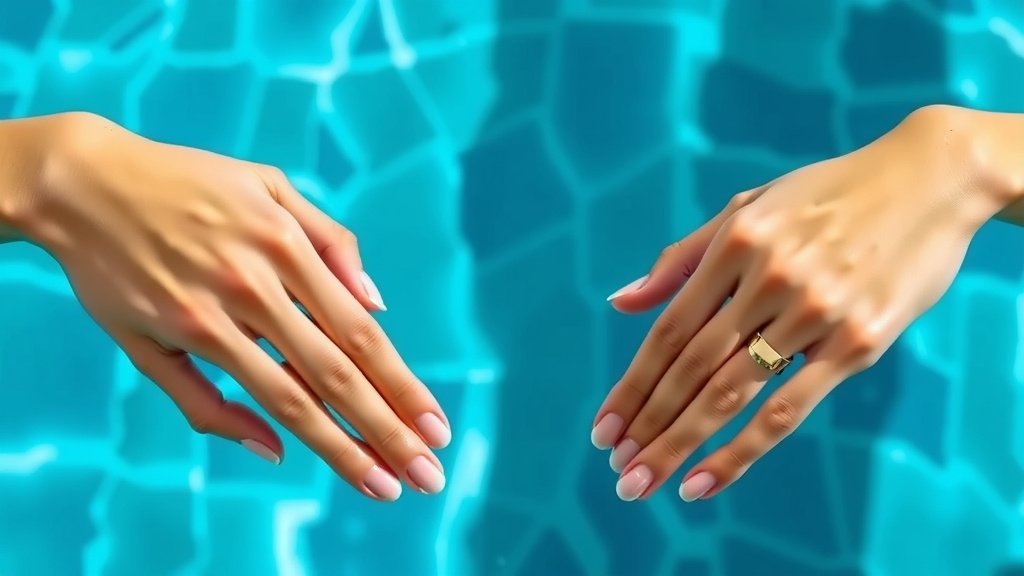
Safer Alternatives for Pool Time
If you love the idea of wearing something on your finger while you swim, but are worried about your fine jewelry, there are great alternatives. Many people have found these to be perfect solutions for active water fun.
Silicone Rings: The Pool-Perfect Choice
Silicone rings have become incredibly popular for a reason. They are made from flexible, durable silicone that is comfortable and safe for water activities. They are designed to break away under extreme tension, which adds another layer of safety for your finger.
Plus, they are inexpensive. If you happen to lose one, it’s not a major financial or sentimental loss. You can find them in a huge variety of colors and styles to match your mood or swimsuit!
A Simple Ring Box Works Wonders
Sometimes, the best solution is the simplest. For many, taking off their rings before swimming is the easiest way to protect them. Find a secure spot for your ring box at the pool. This could be in your bag, a locker, or even with a trusted friend or family member.
It might seem like a hassle, but it’s a small effort to safeguard something you cherish. Think of it as giving your rings a little “spa day” while you enjoy your swim.
When in Doubt, Take It Off
We want you to enjoy your time at the pool without any nagging worries about your jewelry. If you have any doubt at all about the fit of your ring, the metal it’s made from, or the safety of the pool environment, it’s always best to err on the side of caution.
Consider this a friendly reminder to check your rings before you go. A quick wiggle test can tell you a lot. If it moves more than you’re comfortable with, or if the metal is something you’re unsure about, it’s time to leave it behind.
Quick Pool Jewelry Checklist
- Does your ring fit snugly or feel loose?
- Is your ring made of gold, silver, or a more sensitive metal?
- Are you planning on activities where your ring could easily snag or get hit?
- Is there a secure place to store your ring while you swim?
- Could you be happy with a silicone ring alternative for the pool?
- Would you feel stressed about your ring while swimming?
Answering these questions honestly can help guide your decision. Protecting your precious rings is about being mindful and making smart choices.
Conclusion
So, can you wear rings in the pool? Generally, yes, but with caution. While the water itself is unlikely to cause major damage, the real risks come from losing your precious jewelry or minor chemical effects over time, especially with lower karat gold or silver. We found that the most common concern is a ring slipping off fingers, particularly in cold water, and ending up lost forever. Before you dive in, consider the fit of your ring and its metal composition. Before you dive in, consider the fit of your ring and its metal composition.
Your best bet for peace of mind is to opt for a secure alternative like a silicone ring or to simply leave your fine jewelry in a safe place on dry land. Protect your cherished pieces, and enjoy your swim worry-free!
Frequently Asked Questions
How often should I clean my rings after swimming in a chlorinated pool?
We recommend cleaning your rings at least once a week if you frequently swim in chlorinated pools. A gentle soak in warm, soapy water followed by a soft brush can help remove any residual chemicals. This practice helps maintain their shine and prevent potential reactions.
Can saltwater pools damage my rings differently than chlorine pools?
Saltwater pools can also affect certain metals, though usually in different ways than chlorine. While less likely to cause the same dulling effect as chlorine on gold, the salt can sometimes accelerate tarnishing on silver. It’s always a good idea to rinse and clean your rings after swimming in any type of pool water.
What should I do if my ring feels loose after swimming?
If you notice your ring feels looser after swimming, especially if your fingers feel cold, remove it immediately. Check the fit carefully and consider getting it resized if it’s a recurring issue. For pool days, it might be safer to wear a more secure alternative or store your ring safely.
Are engagement rings safe to wear in the pool?
Engagement rings can be risky in pools. Many feature intricate settings and stones that could be damaged by strong chemicals or knocked loose. The biggest concern, however, is the potential for loss, especially if the ring is a bit loose or if you’re engaging in active swimming. It’s usually best to leave engagement rings at home.
What’s the best way to store rings safely while I’m swimming?
The safest way to store your rings is in a secure, waterproof container or a small jewelry pouch inside your bag. You could also use a locker if available, or entrust them to a trusted friend or family member who isn’t swimming. This prevents them from getting lost or damaged.