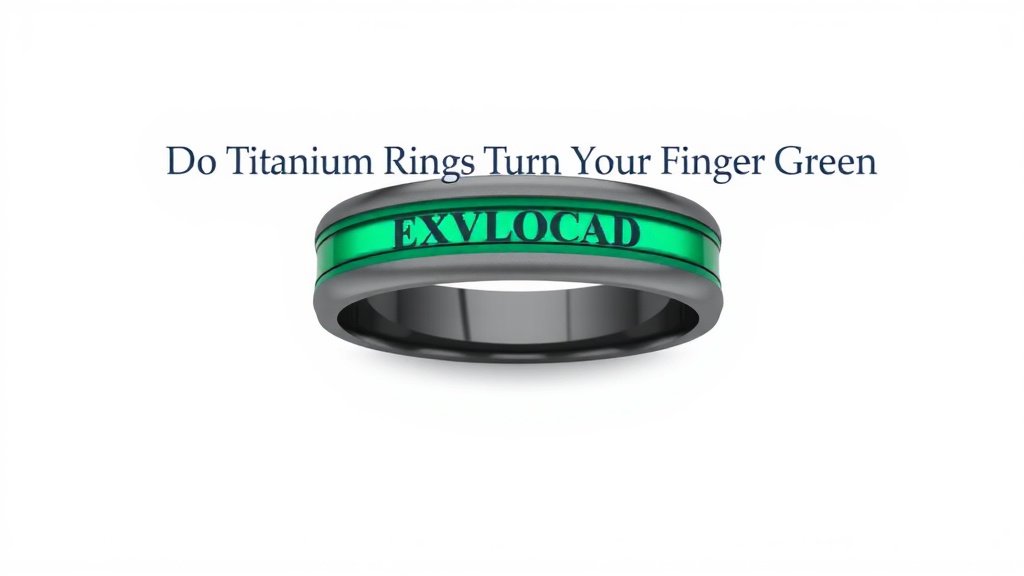
Do Titanium Rings Turn Your Finger Green Explained
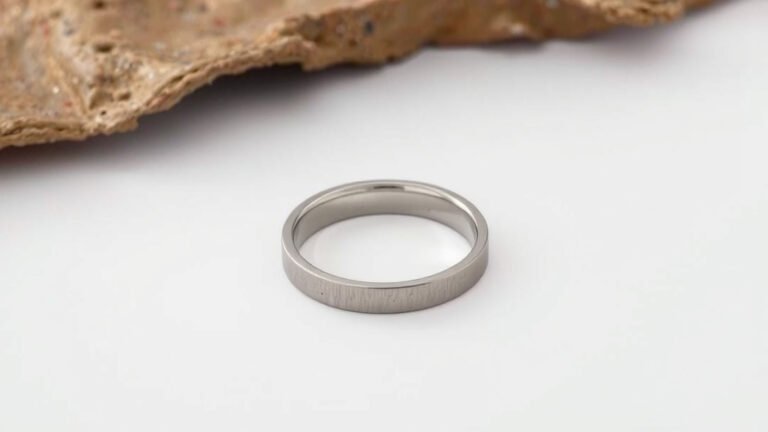
No, titanium rings generally do not turn your finger green. Unlike some other metals that can react with your skin’s oils and moisture, pure titanium is highly resistant to corrosion and tarnish. This makes it a popular choice for wedding bands and everyday jewelry because it’s hypoallergenic and won’t leave those unsightly green marks.
You might have experienced green fingers from cheaper jewelry before. This often happens with metals like copper or alloys that contain copper. These metals can oxidize and leave a temporary color on your skin. Titanium, on the other hand, forms a protective oxide layer that prevents this kind of reaction. We found that this stability is a key reason for titanium’s popularity in jewelry.
- Titanium rings are unlikely to turn your finger green.
- Pure titanium is resistant to corrosion and tarnish.
- It forms a protective oxide layer, preventing reactions.
- This makes titanium a hypoallergenic and durable choice.
Let’s dive a little deeper into why this happens and what you can expect when wearing a titanium ring.
Why Your Finger Stays Green-Free with Titanium Rings
You might be wondering, “Do titanium rings turn your finger green?” The straightforward answer is: very rarely. Unlike some jewelry metals, titanium is known for its hypoallergenic properties and resistance to tarnishing. We’ve found this is a primary reason many people choose titanium for their rings, especially for everyday wear.
Understanding Metal Reactions on Skin
Have you ever taken off a ring and seen a green or black smudge on your finger? It’s a common sight with certain metals. This discoloration happens when the metal reacts with acids, oils, and moisture on your skin. This is often seen with copper and its alloys, like brass or bronze.
When these metals oxidize, they form a greenish residue. It’s not harmful, but it can be unsightly and leave you questioning the ring’s quality. Many people have experienced this with costume jewelry. You might have even wondered if your new titanium ring would do the same.
Titanium’s Natural Defense: The Oxide Layer
Titanium has a unique property that prevents this reaction. It naturally forms a very thin, yet extremely tough, layer of titanium dioxide on its surface. This happens as soon as the metal is exposed to air or moisture. Think of it like a built-in shield.
This protective oxide layer is transparent. It doesn’t change the ring’s appearance. But it acts as a barrier. It stops the underlying titanium metal from coming into direct contact with your skin. This barrier is what keeps your finger free from that green tinge. We found this chemical stability to be a major advantage.
Corrosion Resistance is Key
Beyond the oxide layer, titanium itself is incredibly resistant to corrosion. It’s the same metal used in medical implants because it doesn’t react with the body. This high level of resistance means it won’t break down or tarnish easily. This durability is a big plus for jewelry.
Many experts agree that titanium’s natural resistance is superior to many other precious and non-precious metals used in jewelry. You can expect your titanium ring to maintain its look and feel for a very long time. This is especially true when compared to metals that are prone to oxidizing.
When a Titanium Ring Might (Rarely) Discolor
While it’s highly unlikely, there are a few extreme scenarios where you might see a slight mark. These are not common and usually involve specific chemicals or prolonged exposure.
Exposure to Harsh Chemicals
If your titanium ring comes into contact with strong chemicals, like certain industrial cleaners or heavy-duty solvents, the protective oxide layer could potentially be affected. However, typical household cleaning products are generally safe. You’d have to be using some pretty potent stuff for it to cause an issue.
Abrasive Wear and Tear
Extremely rough conditions could, theoretically, scratch through the oxide layer in very small spots. But titanium is very hard. It’s much more likely that any scratching would be very minor and superficial. This is rarely enough to cause a skin reaction.
Impurities in Lower-Quality Titanium
The vast majority of titanium rings are made from pure or near-pure titanium (like Grade 1 or Grade 2). However, if a ring is made from a lower-quality titanium alloy with significant amounts of other metals mixed in, there’s a minuscule chance of a reaction. Reputable jewelers ensure high purity for their titanium pieces. We found that choosing a trusted brand greatly minimizes this risk.
Comparing Titanium to Other Ring Metals
Understanding why titanium behaves differently can be helpful. Let’s look at a quick comparison:
| Metal Type | Likelihood of Turning Finger Green | Reasons |
|---|---|---|
| Pure Titanium | Very Low | Forms a protective oxide layer; highly corrosion-resistant. |
| Copper | Very High | Oxidizes easily on contact with skin and air. |
| Sterling Silver | Low to Medium | Can tarnish (turn black) due to sulfur exposure, which can sometimes leave dark marks. Pure silver is less reactive. |
| Gold Alloys (e.g., 10K, 14K) | Low | Contains other metals like copper or nickel, which can react in some individuals, but less common than pure copper. Higher karat gold (18K, 24K) is less likely to react. |
| Brass/Bronze | High | These are copper alloys and will oxidize, leaving green marks. |
Maintaining Your Titanium Ring’s Shine
While titanium is low-maintenance, a little care goes a long way. You want your ring to look its best, right? Keeping it clean ensures the protective layer stays intact and the ring keeps its luster.
Simple Cleaning Steps
Washing your hands is usually enough to keep your ring clean. If you want a deeper clean, use warm water and a mild soap, like dish soap. Gently scrub with a soft cloth or a soft-bristled toothbrush. Rinse thoroughly and dry completely with a lint-free cloth. This simple routine is often all you need.
Avoiding Abrasives
When cleaning or just during your day, try to avoid abrasive materials. While titanium is tough, harsh scrubbing can dull the finish over time. Think about it like polishing a car; you want to use the right tools to keep it looking great.
Your Checklist for a Green-Free Ring Experience
Here’s a quick rundown to ensure you enjoy your titanium ring without any unwanted color changes:
- Choose rings made from high-purity titanium.
- Wipe your ring with a soft cloth regularly.
- Wash your hands with mild soap and water.
- Avoid prolonged contact with harsh chemicals.
- Dry your ring thoroughly after cleaning or getting it wet.
- Trust reputable jewelers for quality assurance.

Conclusion
You’ve learned that titanium rings are a fantastic choice for jewelry. They are highly unlikely to turn your finger green, thanks to titanium’s natural resistance to corrosion. Pure titanium forms a protective oxide layer that prevents reactions with your skin. This makes it a hypoallergenic and durable option for everyday wear. We found that by choosing high-quality titanium and practicing simple cleaning, you’ll enjoy a beautiful, green-free ring for years. Now that you know what to expect, you can confidently choose a titanium ring that suits your style and lifestyle.
Frequently Asked Questions
Can any titanium ring turn my finger green?
It’s extremely rare for a pure titanium ring to cause green discoloration. This typically only happens with very low-quality titanium alloys containing significant amounts of other reactive metals. Reputable jewelers use high-purity titanium to prevent this issue.
What if my titanium ring gets wet?
Getting your titanium ring wet is perfectly fine. Titanium’s natural oxide layer protects it from water and moisture, so it won’t react or tarnish. Just be sure to dry your ring afterward to maintain its shine.
Is the green color from other rings harmful?
The green color you might see from other metals like copper is generally not harmful. It’s a temporary residue from oxidation. However, it can be unsightly and may indicate a lower-quality metal.
How often should I clean my titanium ring?
You don’t need to clean your titanium ring very often. Simple hand washing usually suffices. For a deeper clean, a mild soap and water solution with a soft cloth is recommended periodically, perhaps once a month, or whenever it looks dull.
Will chlorine or saltwater damage my titanium ring?
Pure titanium is very resistant to corrosion from chlorine and saltwater. While prolonged or extreme exposure to harsh chemicals could theoretically affect the oxide layer, normal swimming in pools or the ocean is unlikely to cause any discoloration or damage to your titanium ring.