Is Rose Gold Real Gold? The Definitive Answer
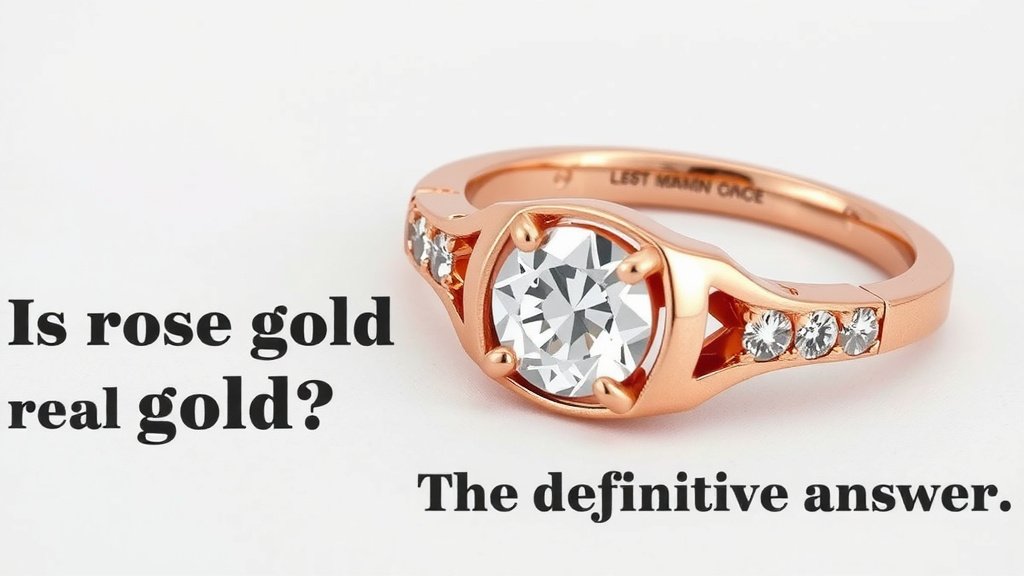
Yes, rose gold is real gold. It’s a beautiful alloy created by mixing pure gold with copper. The copper gives the gold its signature pinkish hue. So, when you see rose gold jewelry, you’re looking at genuine gold with a lovely colored twist.
This unique color comes from the ratio of gold to copper. Pure gold is yellow, but adding copper changes its appearance. The more copper you add, the redder the metal becomes. Many jewelers use it because it offers a warm, romantic look that’s very popular today.
- Rose gold is an alloy of gold and copper.
- Copper gives it its distinctive pink or reddish color.
- The amount of copper determines the shade of pink.
- It’s considered real gold because it contains actual gold.
We found that understanding rose gold’s composition is key to appreciating its beauty and value. Let’s walk through exactly what makes rose gold shine and how it’s made.
What Makes Rose Gold Different?
So, you’ve seen gorgeous rose gold jewelry and wondered, “Is it *really* gold?” The short answer is a resounding yes! Rose gold is a genuine gold alloy. It’s made by mixing pure gold with copper. This blend gives it that stunning pinkish or reddish hue that’s so popular today. Think of it like making a smoothie – you start with a base ingredient (gold) and add others (copper) to change its flavor and appearance.
Pure gold, in its natural state, is a bright, buttery yellow. It’s also quite soft. To make it more durable for everyday wear and to achieve different colors, jewelers mix it with other metals. This process is called alloying. For rose gold, copper is the magic ingredient that transforms the yellow into a warm, romantic pink. The amount of copper used directly impacts the final shade.
The Science Behind the Pink Hue
You might be curious about how a yellow metal turns pink. It all comes down to the metals you mix together and their proportions. Here’s a breakdown:
The Gold Content: Karats Explained
The “gold” part of rose gold is still measured in karats, just like yellow or white gold. A karat indicates the proportion of pure gold in the alloy. The higher the karat, the more pure gold it contains.
- 24 karat (24K) is pure gold. It’s very soft and not ideal for jewelry that needs to withstand daily wear.
- 18 karat (18K) is 75% pure gold (18/24). It’s still quite yellow but mixed with other metals for durability.
- 14 karat (14K) is about 58.3% pure gold (14/24). This is a very popular choice for jewelry because it balances gold content with hardness.
- 10 karat (10K) is around 41.7% pure gold (10/24). It’s the hardest but has less actual gold content.
The Alloying Metals: Copper and Silver
While copper is the primary colorant for rose gold, other metals are often included. These can affect the final color and workability of the alloy.
Copper’s Role in Color
Copper has a natural reddish color. When mixed with yellow gold, its red tones blend with the gold’s yellow. This creates the spectrum of pink and rose shades. The more copper you add, the deeper and more reddish the color becomes. It’s a simple but effective metallurgical trick.
The Influence of Other Metals
Sometimes, jewelers add a small amount of silver or even palladium to the mix. These metals can subtly alter the hue, sometimes making it a softer pink or a more coppery rose. For instance, adding a bit more silver might lighten the color slightly, while increasing copper content deepens it. We found that most rose gold jewelry you see today is typically 14K or 18K.
Understanding Rose Gold’s Shades
Not all rose gold looks exactly the same, and that’s part of its charm! The final color depends on the specific alloy recipe used by the jeweler. You’ll often find variations ranging from a very light, delicate pink to a deep, rich rose or even a reddish-gold tone.
Common Rose Gold Color Variations
Here’s a general idea of what you might see:
- Light Rose Gold: This shade often has a higher proportion of silver relative to copper, resulting in a softer, more subtle pink.
- Standard Rose Gold: This is the most common shade, often achieved with a balanced mix of gold and copper. It has a warm, rosy hue.
- Red Gold or Russian Gold: This color has a higher percentage of copper, giving it a distinctly more intense, reddish appearance.
Think of it like different types of blush or lipstick – there’s a whole range of pinks, and rose gold offers a similar spectrum.
How Different Karats Affect Color
The karat of the rose gold also plays a role in its color intensity. Generally, lower karat rose gold will have a stronger color. Why? Because a lower karat means a higher percentage of alloying metals, including copper.
For example, 14K rose gold might appear more vibrantly pink than 18K rose gold. This is because 14K has more copper (and other metals) mixed with the gold compared to 18K, which is mostly pure gold. Many consumers prefer 14K rose gold for this reason – you get a beautiful, pronounced color along with good durability.
Rose Gold vs. Other Gold Alloys
It’s helpful to see how rose gold stacks up against its yellow and white counterparts. All these types of gold jewelry start with pure gold, but the added metals create their distinct looks and properties.
Here’s a quick comparison table:
| Gold Type | Primary Alloying Metals | Typical Color | Common Karats |
|---|---|---|---|
| Yellow Gold | Silver, Copper, Zinc | Buttery Yellow | 10K, 14K, 18K, 22K |
| Rose Gold | Copper, Silver | Pink to Reddish Pink | 10K, 14K, 18K |
| White Gold | Nickel, Palladium, Silver, Zinc | Silvery White (often plated with Rhodium) | 10K, 14K, 18K |
As you can see, the alloying metals are the key differentiators. For rose gold, copper is the star player, creating that unique warm tone. White gold uses metals that are naturally white or silvery, often with an added rhodium plating for that bright, platinum-like finish.

Is Rose Gold Hypoallergenic?
This is a common question, especially for those with sensitive skin. Rose gold is generally not considered hypoallergenic.
The Role of Copper and Nickel
The primary reason is the copper content. Some individuals can have a reaction to copper. More significantly, some white gold alloys contain nickel, which is a common allergen for many people. While rose gold doesn’t typically use nickel, its copper content means it’s not a guaranteed choice for extreme sensitivities.
What About Gold Plated Rose Gold?
Many affordable rose gold pieces are actually gold-plated. This means a thin layer of rose gold alloy is applied over a base metal, like brass or sterling silver. If you have very sensitive skin, you might react to the base metal rather than the plating itself. Always check the item’s description. For true rose gold jewelry, look for stamps indicating the karat (e.g., 14K).
Caring for Your Rose Gold Jewelry
Taking care of rose gold is much like caring for any other gold alloy. A little attention goes a long way to keep it shining.
Gentle Cleaning Tips
We recommend a simple cleaning routine to maintain its luster:
- Use a mild soap and warm water.
- Gently scrub with a soft toothbrush.
- Rinse thoroughly with clean water.
- Pat dry with a soft, lint-free cloth.
What to Avoid
To keep your rose gold looking its best, avoid exposing it to harsh chemicals. This includes things like chlorine, perfumes, and abrasive cleaners. It’s also a good idea to remove your jewelry before swimming, showering, or doing strenuous activities. Store your pieces separately to prevent scratching.
Why Rose Gold is a Popular Choice
It’s easy to see why rose gold has captured so many hearts. Its warm color is incredibly flattering on a wide range of skin tones. It offers a romantic and vintage feel that many people adore.
Plus, its composition makes it a durable and beautiful option for various jewelry types, from engagement rings to everyday bracelets. When you choose rose gold, you’re choosing a metal that is both real gold and wonderfully unique.
Conclusion
You’ve learned that rose gold is indeed real gold, blended with copper to achieve its lovely pink hue. It’s a beautiful alloy, just like yellow or white gold, with its own unique charm. Understanding its composition helps you appreciate its beauty and value. Remember that the karat count still indicates the gold’s purity, and the copper percentage dictates the exact shade of pink. Now you can confidently choose and care for your rose gold pieces. When you’re ready to add to your collection, look for pieces that speak to you and know you’re investing in genuine gold.
Frequently Asked Questions
Is rose gold more expensive than yellow gold?
Generally, the price difference between rose gold and yellow gold of the same karat is minimal. The cost is primarily determined by the gold content, not the color itself. Fluctuations in the market prices of gold and the alloying metals like copper can cause slight variations.
Can rose gold tarnish or fade?
Pure gold doesn’t tarnish, but the alloying metals in rose gold, particularly copper, can react with the environment over time. While it doesn’t typically “tarnish” in the way silver does, the color can deepen or change slightly with prolonged exposure to certain chemicals or conditions. Proper care helps maintain its original luster.
How do I know if my rose gold jewelry is real?
Look for hallmarks stamped on the jewelry, usually on the clasp or inside the band. These stamps will indicate the karat purity, such as “14K” or “18K.” If there’s no stamp, or if you’re unsure, a professional jeweler can test the metal’s authenticity for you. To ensure you’re buying genuine rose gold, look for hallmarks stamped on the jewelry.
Is rose gold suitable for everyday wear?
Yes, rose gold is very suitable for everyday wear, especially in 14K or 18K. The copper alloy makes it durable enough to withstand daily activities. Just remember to remove it during strenuous tasks or when exposed to harsh chemicals to keep it looking its best.
What skin tones does rose gold look best on?
Rose gold is incredibly versatile and looks beautiful on a wide range of skin tones. Its warm, pinkish hue tends to complement both cool and warm undertones, often creating a flattering glow. Many find it particularly striking on fair to medium skin tones, but it truly suits almost everyone.