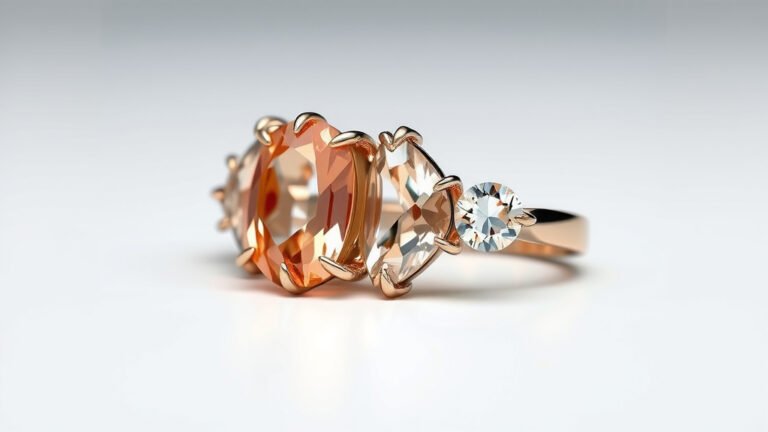
Can You Add a Birthstone to a Ring? What You Need to Know
Yes, you can add a birthstone to a ring, and jewelers do it all the time. Most rings can hold one or two extra stones, whether you want to honor a birthday, a child, or a loved one. The style of your ring just needs to have room for it.
We researched this topic and found that the most common ways to add a birthstone are accent stones next to the center gem, a full stacked band, or a hidden stone tucked under the main setting. The right option depends on your ring’s design, the metal, and your budget. Many experts say simple band styles are the easiest to modify, while vintage rings need a gentler touch.
So how much does it cost, and which stones work best? Here’s the short version:
- Yes, it’s possible for most ring styles, including engagement rings and wedding bands.
- Popular methods include accent stones, stackable bands, and hidden settings.
- Costs usually range from about $50 to a few hundred dollars, depending on the stone and setting work.
- Softer stones like opal and pearl need extra care, since they can scratch or crack during setting.
- Always use a jeweler who can check your ring’s structure before making changes.
Below, we break down everything you need to know about adding a birthstone to a ring, from design options to costs and care tips. Let’s walk through it together, step by step.
Adding a Birthstone to Your Ring: How It’s Done
Yes, jewelers can add a birthstone to almost any ring with enough metal to work with. The three most popular methods are accent stones, a stacking band, and a hidden setting. We found that the method your jeweler picks depends on your ring’s shape and how much open space it has.
Think of your ring like a small piece of real estate. Some designs have open lots ready for building. Others are already crowded, so the stone has to go somewhere clever.
Accent Stones Beside the Center Gem
This is the most common request we came across. Your jeweler adds one or two small stones on either side of the main gem. A solitaire ring is the perfect host for this, because the shoulders of the band are usually bare. This side-by-side layout has a name and symbolism of its own, and our guide to trilogy rings explains what each stone represents.
The new stones get set in fresh prongs or a bezel. Many experts say this works best when your center stone is raised high enough to make room (GIA).
Stacking a Birthstone Band
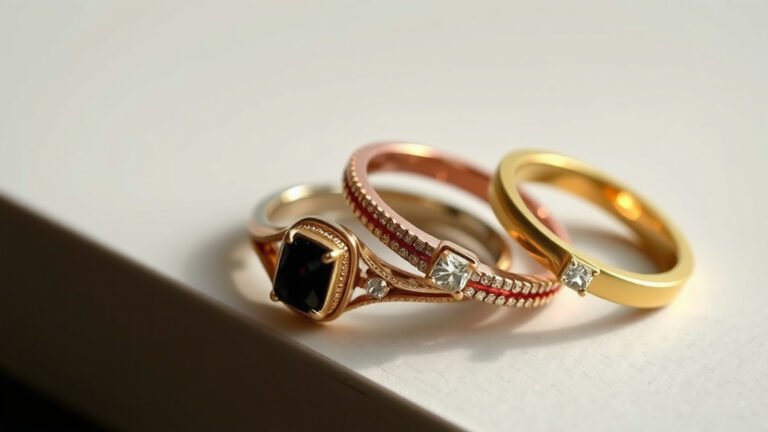
Not ready to touch your original ring? We get it. A stackable band with the birthstone sits right next to your existing ring. You get the look of one design without any surgery on the piece you already love.
This option is also the easiest to reverse. If you change your mind, the band just moves to another finger.
Hidden Stones Under the Setting
A hidden birthstone tucks under the head of the ring, near the band. Only you know it’s there, which makes it a favorite for memorial pieces and secret sentimental touches.
The catch? Not every ring has the clearance for this. Jewelers often need to lift the main setting slightly to fit a tiny stone underneath.
What It Usually Costs to Add a Birthstone
Most jobs land between $50 and $300, based on what we found across jeweler price guides. Small accent stones cost less. Custom redesigns cost more. The stone itself, the setting work, and your metal type all move the number.
| Method | Typical Cost Range | Best For |
|---|---|---|
| Accent stones beside the center gem | $100 – $300 | Solitaire and simple settings |
| Stackable birthstone band | $75 – $400 | People who don’t want to alter their ring |
| Hidden stone under the setting | $100 – $250 | Sentimental or memorial touches |
| Full custom redesign | $300+ | Vintage or heavily modified rings |
One more cost to remember: some jewelers charge a bench fee just to inspect and quote the work. Ask about it up front so there are no surprises.
Picking a Stone That Can Handle the Job
Not every birthstone survives the setting process the same way. Hardness matters here. Jewelers press, heat, and grip stones during setting, and softer gems can crack under that pressure.
Experts use the Mohs hardness scale to measure this. It ranks minerals from 1 (talc) to 10 (diamond). Anything below a 6 needs gentle handling (USGS).
Birthstones That Set Easily
- Diamond (April) – hardest natural stone, sets without worry.
- Sapphire and ruby (September and July) – tough cousins on the same mineral family tree.
- Aquamarine (March) – durable enough for everyday wear.
- Garnet (January) – a budget-friendly, sturdy choice.
Birthstones That Need Extra Care
Opals, Pearls, and Emeralds
Opal (October) and pearl (June) are soft and can be damaged by heat during setting. Emerald (May) often has natural internal cracks that make it fragile. Many experts recommend bezel settings for these stones, since a metal rim wraps around and protects them (Cleveland Clinic notes similar care guidance for delicate gems in jewelry).
Simple Tricks for Soft Stones
- Ask your jeweler about low-heat setting methods.
- Choose a bezel instead of prongs.
- Consider a lab-created version, which can be more durable and cheaper.
Where the New Stone Can Actually Sit
Placement is where design gets fun. We found these are the spots people request most:
- Shoulders of the band – the classic spot for two matching accents.
- Beneath the main stone – the hidden, just-for-you location.
- In a channel along the band – stones sit flush inside a groove.
- On a separate stacking ring – zero risk to your original piece.
Ask yourself one question before you decide: will this ring get worn every day, or only on special occasions? Daily wear means durability should win over looks.

What a Good Jeweler Will Check First
Before anyone touches your ring, a professional should inspect it. We found that reputable jewelers look at four things:
- Metal thickness – thin bands can crack during stone setting.
- Existing stone security – loose prongs get fixed before new work starts.
- Solder joints and repairs – past fixes may not survive more work.
- Rhodium plating – white gold often needs replating after modifications.
If a jeweler skips the inspection and jumps straight to the torch, walk out the door. Your grandmother’s ring deserves better than a rushed job.
Your Pre-Appointment Checklist
Ready to make it happen? Here’s a quick list to run through before you hand over your ring:
- Know the birthstone and its hardness before you commit.
- Take clear photos of your ring from every angle.
- Ask for a written quote that includes the bench fee.
- Confirm whether the jeweler insures your ring while it’s on their bench.
- Decide your backup plan if the ring turns out too fragile to modify.
- Get the turnaround time in writing, usually one to three weeks.
That last point matters more than you’d think. A custom stone setting isn’t an overnight job, and any jeweler promising same-day service on delicate work should raise an eyebrow. Slow and careful wins here, every time. Our guide to engagement ring production timelines breaks down what happens during those weeks at the bench.
Conclusion
Adding a birthstone to a ring is a realistic, affordable project when you go in prepared. Most rings can welcome a new stone, and a skilled jeweler will tell you honestly if yours can’t. The safest paths are accent stones, a hidden setting, or a stackable band that leaves your original piece untouched. Just remember that soft stones like opals and pearls need special handling, and a proper inspection should always come before any torch is lit.
Here’s your next step: gather two or three local jewelers, request written quotes, and ask each one how they’d approach your specific ring. The jeweler who listens first is the one you want.
Frequently Asked Questions
Will adding a birthstone damage my ring?
When done by a professional, the risk is low, but it’s never zero. Heat, pressure, and soldering can affect thin bands, older repairs, or heat-sensitive gems. A good jeweler will inspect your ring first and tell you if the risks outweigh the reward.
Can I add a birthstone to a ring with diamonds already in it?
Yes, and it’s one of the most common requests. Jewelers often add birthstones beside or below existing diamonds without disturbing them. Your jeweler will check that the prongs holding your diamonds are secure before starting any new work.
How long does it take to add a birthstone to a ring?
Most jobs take one to three weeks, depending on the setting method and the jeweler’s workload. Custom work or stone sourcing can push it longer. Get the timeline in writing before you leave your ring behind.
Can I add multiple birthstones for my kids to one ring?
You can, and it’s a popular way to make a ring a family piece. Small stones often fit along the band’s shoulders or in a channel. If your ring is already crowded, a matching stacking band holding all the birthstones is a smart workaround.
Should I add a birthstone to my engagement ring or buy a separate ring?
It depends on how attached you are to the ring as it is. If the design is meaningful to you, a stackable band gives you the look with no risk to the original. If you’re open to change, adding stones directly can create one unified piece you’ll never have to take off.