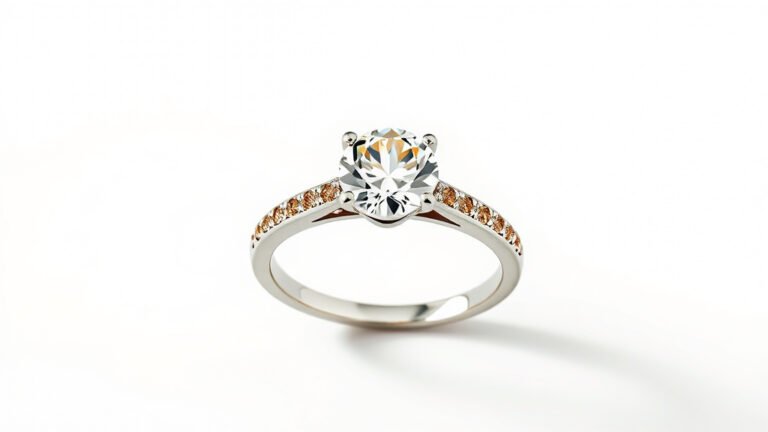
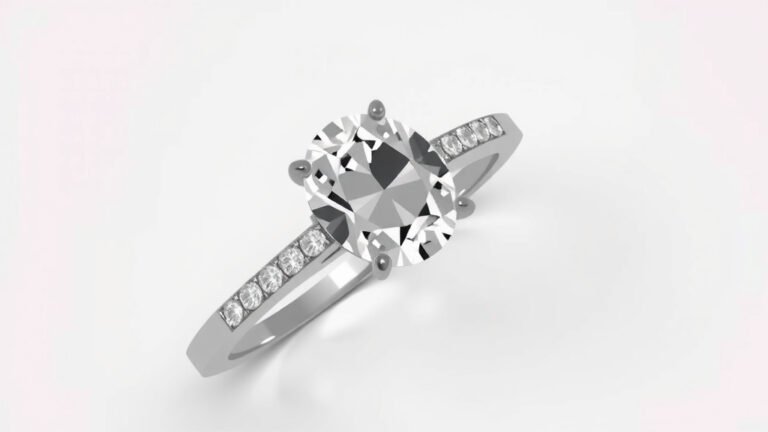
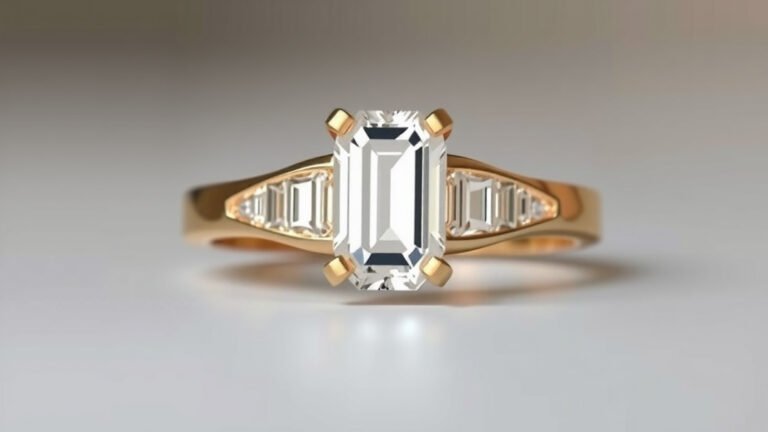
Can You Replace a Center Stone in a Ring? What to Know
Yes, you can replace the center stone in a ring in most cases. Jewelers do this all the time, whether you want a bigger diamond, a different shape, or a swap to a colored gemstone. As long as the setting is in decent shape, a skilled jeweler can usually make it happen.
There are a few things that matter, though. The ring’s setting, the size of the new stone, and the type of metal all play a role. Some rings need small tweaks to hold the new stone, while others may need a new setting altogether. We researched what jewelers actually recommend, and we found that the process is usually simpler (and cheaper) than most people expect.
- Yes, center stones can be swapped — it’s a common jeweler service.
- Costs typically range from $20 to a few hundred dollars, depending on the work needed.
- The setting type (prong, bezel, halo) affects how easy the swap will be.
- Some stones, like emeralds and opals, need extra care because they’re more fragile.
- Always ask for the original stone back in writing — it’s yours!
Wondering what it costs, how long it takes, or whether your specific ring can handle a new stone? Let’s walk through everything you need to know, step by step.
Swapping Out Your Ring’s Center Stone: How It Works
Replacing a center stone is one of the most common services a jeweler offers. The old stone comes out, the new one goes in, and the setting gets adjusted to hold it snugly. That’s the whole process in a nutshell.
We found that most jewelers handle these swaps in-house or with a trusted bench jeweler they work with regularly. You don’t need a special appointment type or a fancy reason. “I just want something different” is a perfectly fine answer.
How Jewelers Remove and Set a New Stone
The removal step depends on your setting. In a prong setting, the jeweler gently bends the metal prongs back and lifts the stone out. In a bezel setting, the metal rim gets carefully cut or pried open. Either way, it’s delicate work done under magnification.
Once the new stone is ready, the jeweler seats it and pushes the metal back around it. If the new stone is a different size, the prongs may need to be rebuilt or replaced entirely. Think of it like tailoring a suit — same suit, adjusted to fit.
Will the Setting Survive the Swap?
Most of the time, yes. But the setting’s condition matters a lot. Thin, worn prongs can snap during removal, especially on older rings.
Many experts recommend having the whole ring checked before the swap begins. A jeweler can spot thin prongs, loose shanks, or cracked galleries ahead of time. That way, there are no surprises halfway through.
Good Reasons to Replace a Center Stone
There’s no rulebook here. It’s your ring, and your reasons are valid. That said, a few situations come up again and again.
Upgrading After a Milestone
Anniversaries, promotions, and big birthdays are classic upgrade moments. Lots of couples start with a modest stone and size up later as finances allow. We found that this “start small, upgrade later” approach is one jewelers actively encourage — it keeps the original ring meaningful while letting it grow with you.
Fixing a Damaged or Loose Stone
Sometimes the swap isn’t about style. It’s about safety. A chipped diamond, a cracked gemstone, or a stone that keeps wobbling needs attention before it falls out and disappears down a drain.
If your original stone is damaged beyond repair, replacing it may actually be the more affordable option. Recutting a stone often costs more than buying a new one.
How Much Does It Cost to Replace a Center Stone?
Here’s the part everyone wants to know. The good news: the labor itself is usually the cheap part. The stone is where your money goes.
| Type of Work | Typical Cost Range | What’s Included |
|---|---|---|
| Simple stone swap (same size) | $20 – $100 | Removal, resetting, basic tightening |
| Swap with prong adjustments | $100 – $300 | Re-tipping or rebuilding prongs |
| New stone + setting modifications | $150 – $500+ | Reworking the head or gallery |
| Full new head (new mounting for stone) | $200 – $600+ | Complete replacement of the stone’s holder |
Prices vary by region and jeweler, so treat these as ballpark figures. Many jewelers will quote you for free if you bring the ring in. And remember — these numbers cover labor only. The new diamond or gemstone is priced separately. If you’re budgeting for the stone itself, our guide to what a 1-carat diamond ring costs walks through the pricing.
Choosing a Stone That Fits Your Setting
Not every stone fits every setting. This is where a little planning saves you money and heartache.
Stone Shapes and Sizes
A round stone and an oval of the same carat weight look totally different on the hand. Ovals, pears, and marquise shapes sit longer and narrower. They also cover more finger, so a lower carat weight can look bigger — a nice little cheat code.
If you’re going much larger, the entire head of the ring may need replacing. A stone that’s dramatically bigger than the original can overwhelm a delicate band, both visually and structurally.
Matching the Stone to the Prong Layout
Four-prong and six-prong heads are designed with specific stone shapes in mind. A princess-cut stone needs prongs that protect its pointed corners. A round brilliant needs a basket that cradles its curve. Your jeweler will tell you quickly whether the existing head can be adjusted or needs full replacement.
We found that jewelers often suggest a new head for big shape changes. It’s not a sales tactic — it’s the safest way to keep your stone secure.

Stones That Need Extra Care During a Swap
Diamonds are tough. Most other stones are not. If you’re swapping in something colorful, a few gems deserve a gentle warning label.
- Emeralds — naturally included and prone to chipping; they need a protective setting.
- Opals — soft and sensitive to heat; never let a torch get near one.
- Pearls — extremely soft; they’re usually glued or drilled, not set in prongs.
- Tanzanite — beautiful but brittle; heat can crack it.
- Morganite and aquamarine — generally durable but still softer than diamond.
The Gemological Institute of America notes that gem durability depends on hardness, toughness, and stability together — not just hardness alone (GIA). Translation: a stone can be scratch-resistant and still crack from one unlucky knock.
Protecting Your Original Stone
Here’s something people forget in the excitement: the stone coming out is still yours. Don’t lose track of it.
Some folks later turn the original stone into a pendant, a second ring, or a gift for a child. Others just want it tucked away safely. Either way, get it back.
Your Pre-Swap Checklist
Before you hand over your ring, run through this quick list:
- Get the swap quote and timeline in writing.
- Ask that your original stone be returned to you — put it in the notes.
- Request the new stone’s details in writing (carat, cut, clarity, color, and any grading report number).
- Take dated photos of the ring from several angles.
- Confirm your ring’s appraised value and whether your insurance needs updating after the swap.
- Ask about the shop’s repair warranty or guarantee on the new setting work.
Reputable jewelers expect these questions and answer them without hesitation. If someone gets cagey about returning your original stone, that’s your cue to walk out the door.
How Long Does a Center Stone Swap Take?
For a straightforward swap, expect one to two weeks. Simple jobs can sometimes be done in a day or two, especially at busy shops with an on-site bench jeweler.
Bigger projects take longer. If the head needs rebuilding, if custom prongs must be ordered, or if the new stone is being sourced, you could be looking at three to six weeks. Holiday seasons add wait time too — everyone wants their ring fixed before December, apparently.
Our advice? Ask for a completion date up front, and build in a buffer if you have a deadline like an anniversary dinner. Nobody wants to explain a missing rock over candlelight.
Conclusion
Swapping your center stone is one of the easiest ways to give an existing ring a fresh start. Whether you’re sizing up after a milestone, replacing a chipped gem, or switching to a colorful stone, a skilled jeweler can handle it — often for less than you’d expect. The keys to a smooth experience are simple: pick a stone that suits your setting, get the quote and timeline in writing, and never leave without your original stone. If the setting shows wear, fix that first so your new stone stays secure for years.
Ready to move forward? Gather photos of your ring and visit a local jeweler for a free quote. You’ll walk out knowing exactly what’s possible.
Frequently Asked Questions
Can I replace a center stone myself?
We’d strongly advise against it. Jewelers use specialized tools and work under magnification to avoid cracking the stone or snapping the prongs. One slip with pliers can turn a $30 job into a full head rebuild.
Will replacing the center stone damage my ring’s resale value?
It depends on the ring. Vintage and designer pieces can lose value if original components are removed, so keep your original stone and any paperwork safe. For an ordinary modern ring, a well-done swap usually doesn’t hurt resale at all.
Can I swap a diamond for a lab-grown diamond or moissanite?
Absolutely. Lab-grown diamonds and moissanite are popular swaps because they cost less than natural stones of the same size. Both are durable enough for daily wear, and most settings handle them just like a natural diamond.
Do I need to tell my insurance company after replacing the stone?
Yes, you should. Your policy is based on the ring’s appraised value and description, and a new stone changes both. Call your insurer with the updated details so your coverage matches what’s actually on your finger.
Can a jeweler replace the center stone without removing the ring from its setting?
Not really — the stone and setting are one unit. The stone has to come out before the new one goes in, and that means bending prongs or opening a bezel. A careful jeweler does this without harming the rest of the ring.