Do Opals Need to Be Re-Oiled? Care Facts Explained
No, most opals do not need to be re-oiled on any kind of schedule. In fact, many experts say modern opals are stable enough that oiling is rarely required at all. If your stone looks a bit dull, a gentle wipe with a soft cloth usually does the trick.
So why does the “re-oiling” myth even exist? We found that it comes from old advice about treating opals to prevent cracking, also known as crazing. The truth is a little different: opals can contain water, and sudden temperature changes or very dry storage are the real threats. Oiling might mask dryness temporarily, but it doesn’t fix the underlying problem.
- Most opals never need re-oiling, especially solid, well-cut stones.
- Oiling a cracked stone can actually hide damage and lower its value.
- Keeping opals away from heat, dry air, and harsh chemicals matters far more.
- If an opal was treated with oil when cut, ask a jeweler before adding more.
- Simple care, like wiping after wear and storing safely, goes a long way.
Curious about when oiling actually makes sense, and how to keep your opal glowing for decades? Below, we break down everything you need to know, step by step, so your opal stays as stunning as the day you got it.
Should You Oil Your Opal? Here’s the Honest Answer
Short answer: probably not. We found that most modern opals are cut and stabilized well enough that they never need extra oil. If someone at a jewelry counter tells you to oil yours every few months, take that advice with a grain of salt.
The exception matters, though. Some older treatments and certain hydrophane opals (stones that soak up water easily) may benefit from occasional moisture. We’ll get into who those exceptions apply to below.
Where the Oiling Myth Came From
Here’s a fun bit of history. Decades ago, miners noticed some opals looked better when they were freshly pulled from the ground. The stones contain a small amount of water inside their structure, so people assumed topping them up with oil would keep them “hydrated.”
The problem? Oil molecules are too big to slip into the tiny silica spheres that give opals their color play. You’re basically rubbing lotion on a brick and hoping it drinks it. It just sits on the surface.
What Actually Causes Opals to Crack
Crazing, those fine hairline cracks, happens mostly from sudden temperature swings. Going from a hot car to an air-conditioned room is a bigger deal to your opal than skipping its “oil appointment.”
Very dry storage can also play a role, especially for hydrophane stones. Many gemologists recommend simply storing opals away from heat sources and direct sunlight (Gemological Institute of America guidance echoes this).
Why Oiling Can Backfire on You
This one surprises people. If your opal already has tiny cracks, oil fills them and makes the stone look perfect for a while. When a buyer or appraiser inspects it later, that hidden damage gets discovered, and the stone’s value takes a hit.
Selling a treated stone without disclosing the treatment can create real problems too. Honesty really is the cheapest insurance here.
Which Opal Types Might Actually Benefit
Not all opals behave the same way. Some are thirsty by nature. Here’s a quick comparison so you know where your stone falls.
| Opal Type | Needs Moisture Care? | Notes |
|---|---|---|
| Solid Australian opal | Rarely, if ever | Very stable; normal wear is fine |
| Ethiopian hydrophane opal | Sometimes | Absorbs water and liquids; keep away from perfume |
| Mexican fire opal | Usually not | Stable, but avoid heat shocks |
| Doublets and triplets | No oiling | Glued layers, so water can weaken the bond |
Hydrophane opals are the oddballs. They can drink up liquid and change appearance temporarily, which is why many jewelers advise keeping them dry and clean rather than soaked (GIA has documented this behavior).
How to Tell If Your Opal Is Drying Out
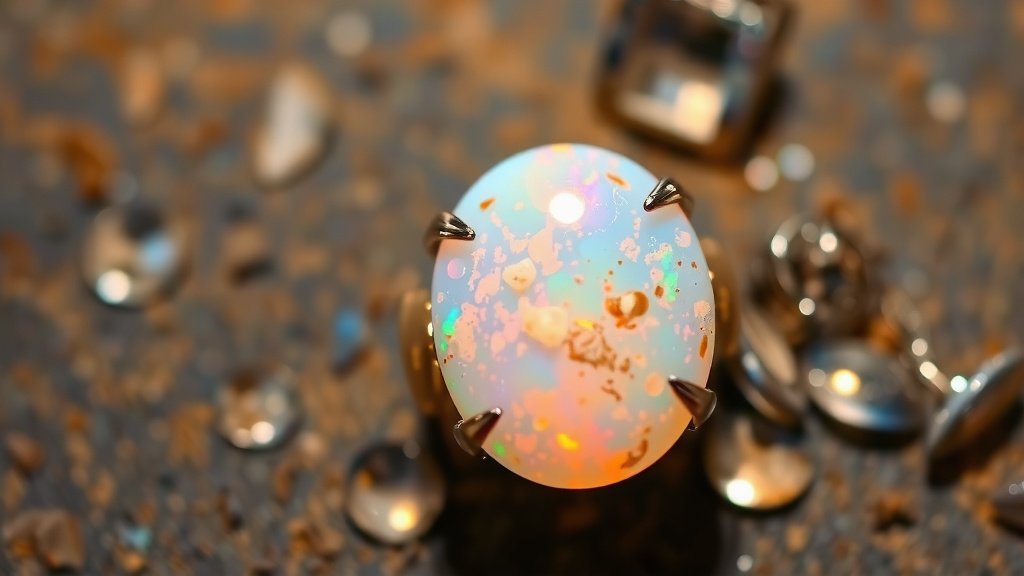
Look closely at the surface in good light. Early trouble shows up as faint, web-like lines or a slightly chalky appearance. Compare what you see today with older photos if you have them.
Also check the setting. If the stone rattles or looks loose, that’s a repair issue, not a moisture issue. Don’t confuse the two.
Quick Signs to Watch For
- Fine hairline cracks spreading across the surface
- A dull or hazy look that wiping doesn’t fix
- Color play that seems weaker than you remember
- A loose or rattling stone in its setting
What to Do Instead of Oiling
Good news: proper opal care is easier than flossing. You mostly need common sense and a soft cloth. Think of your opal like a houseplant that hates drafts, direct sun, and dishwater.
Your Simple Opal Care Checklist
- Wipe the stone with a soft, damp cloth after wearing it
- Keep it away from heat, radiators, and hot cars
- Take rings off before washing dishes or gardening
- Store opals separate from harder gems like diamonds
- Avoid ultrasonic cleaners and harsh chemicals entirely
- Have the setting checked by a jeweler once a year
About Those Storage Myths
You may have heard about storing opals in water or wrapping them in a damp cotton ball. For most solid opals, we found this does more harm than good, since soaking can cloud hydrophane stones. A padded box in a normal room is plenty.
If you live somewhere extremely dry, a mildly humid drawer or a soft cloth wrap is a reasonable middle ground. No aquarium required.
When Oiling or Treating Actually Makes Sense
There are two situations worth mentioning. First, if a cutter applied a surface treatment when the stone was finished, ask a professional before adding anything else. Mixing products can cause a cloudy film.
Second, if a gemologist confirms your stone is a hydrophane type that responds well to careful moisture management, follow their specific instructions. That’s a job for a pro, not a DIY experiment at your kitchen table.
What If Your Opal Already Has Cracks?
Don’t panic, and don’t smear oil over it. Take the piece to a reputable jeweler or gem lab first. They can tell you whether it’s cosmetic crazing or structural damage, and whether repair is possible.
Many experts say early evaluation matters because options shrink once cracks spread. A quick visit costs far less than replacing a sentimental stone.
Common Questions People Ask Their Jewelers
We noticed a pattern when reading through gemology forums and jeweler guidance: the same worries pop up again and again. Most boil down to fear of ruining something precious.
Here’s the reassuring truth. Opals aren’t nearly as fragile as gossip suggests. Treat them like nice glassware, not porcelain relics, and they’ll hold up beautifully for years.
The Biggest Mistake to Avoid
The number one culprit isn’t lack of oiling. It’s sudden heat, often from a hot tub, sauna, or leaving a ring on a windowsill. Slow and steady wins the race with opals.
So next time someone tells you your opal needs a monthly oil treatment, smile, nod, and quietly go wipe it with a soft cloth instead. Your stone will thank you by flashing those gorgeous colors right back at you.
Conclusion
Here’s the bottom line: your opal almost certainly doesn’t need re-oiling, and slathering it in oil could actually do more harm than good. The real threats are sudden heat, dry storage, and harsh chemicals, not a missed oiling schedule. We found that a soft cloth, a padded box, and a little common sense protect your stone better than any bottle of oil ever will. If you’re unsure what type of opal you own, or you’ve spotted fine cracks, skip the DIY route and ask a trusted jeweler. That one quick conversation is the smartest next step you can take for your stone.
Frequently Asked Questions
Can I use baby oil or olive oil on my opal?
We’d steer you away from both. Household oils sit on the surface, attract dust, and can leave a dull film that’s tricky to remove. A soft, slightly damp cloth does the job without any residue.
How often should I clean my opal jewelry?
A quick wipe after each wear is plenty for everyday pieces. For a deeper clean, use lukewarm water, a drop of mild soap, and a soft brush, then pat dry. Skip ultrasonic cleaners and steam entirely. Our guide to how often to clean a ring breaks down a simple schedule for everyday pieces.
Does opal jewelry need to be worn to stay healthy?
That’s another myth we came across, and there’s no evidence behind it. Skin contact doesn’t nourish a stone. Proper storage away from heat matters far more than how often you wear it.
Can opals go bad if stored in a safe deposit box?
For most solid opals, no. The concern only comes up in very dry conditions or with hydrophane stones. If your box sits in an extremely dry vault for years, ask a jeweler about a mildly humid storage option.
How long do opals last with proper care?
Generations, honestly. Well-cut solid opals passed down through families still flash their color play decades later. Keep them out of extreme heat, store them softly, and your stone can outlive you. Our guide to how long rings last covers what determines whether a piece survives generations of wear.