How to Choose the Right Ring Profile for Your Style
Choosing a ring profile that feels just right for you is all about understanding your personal style and how the ring will sit on your finger. The best ring profile for you depends on factors like comfort, finger shape, and the overall look you’re going for. We found that many people prioritize a comfortable fit that doesn’t snag on things.
Ring profiles refer to the cross-sectional shape of the ring band. Different shapes offer different levels of comfort and visual appeal. For instance, a court profile is often cited as the most comfortable, while a flat profile offers a modern, clean look. It’s about finding that perfect balance.
- Understand your lifestyle and comfort needs.
- Consider how the ring’s shape will look on your finger.
- Think about the metal and its typical profile shapes.
- Don’t be afraid to try on different profiles.
Ready to find your perfect match? Let’s break down the different ring profiles and what makes each one special, so you can make an informed choice.
Finding Your Perfect Ring Profile
Picking the right ring profile is like choosing a favorite pair of shoes. You want it to feel good all day long. We found that understanding the different shapes can make a big difference in your daily comfort and how the ring looks. It’s not just about beauty; it’s about wearability.
Understanding Ring Band Shapes: A Visual Guide
The profile of a ring band is simply its shape when you look at it from the side, like a cross-section. Think of it as the ring’s “personality.” Different shapes offer unique feelings on your finger and distinct aesthetic styles. Let’s get familiar with the most common ones.
The Court Profile: Comfort Champion
If comfort is your top priority, the court profile is likely your winner. We found that many people describe this shape as feeling like a “pillow” on the finger. It has a rounded inside edge, making it super smooth and easy to slide on and off. You won’t feel sharp edges digging into your skin, even after a long day.
This rounded interior is a game-changer for comfort. It sits nicely against your finger, reducing pressure points. Many wedding bands are made with this profile because it’s so forgiving and pleasant for everyday wear. If you have a job that requires a lot of hand movement or you’re just sensitive, a court profile is an excellent choice.
Why Court Profile Works So Well
We found that the rounded inner surface is key. It allows for better air circulation and reduces friction. This means less irritation and more comfort. It also means the ring is generally easier to remove in case of swelling. Many experts suggest this shape for its overall wearability.
The Flat Profile: Modern & Sleek
For those who love a clean, modern look, the flat profile is a fantastic option. As the name suggests, the inside and outside surfaces are perfectly flat. This gives the ring a sharp, contemporary appearance. It’s a popular choice for a minimalist aesthetic.
When you wear a flat profile ring, it feels quite different from a court profile. Because it’s flat, it sits very squarely on your finger. Some people love this clean feel and the precise look it offers. It can make your finger appear a bit longer and more slender. However, some find the sharp edges less comfortable than a rounded profile.
Flat Profile Considerations
The flat surfaces mean there’s less give against your skin. You might notice the edges more than with a curved band. If you choose a flat profile, consider the width. A narrower flat band might be more comfortable for some than a wider one, which could feel more imposing.
The D-Shape Profile: A Classic Blend
Imagine the perfect blend of comfort and style – that’s the D-shape profile. It looks like a capital “D” from the side. The outside is gently rounded, similar to a court profile, but the inside is flat. This gives you the best of both worlds!
You get the smooth, comfortable feel on the outside of your finger from the dome. At the same time, the flat interior offers a secure fit and a clean look. We found that many people choose this profile because it offers a great balance. It’s a traditional choice that remains popular for good reason.
D-Shape: Comfort Meets Style
The rounded exterior is why it feels so nice. It glides over other fingers and surfaces easily. The flat inner surface helps the ring sit securely without feeling like it’s trying to escape. It’s a tried-and-true design that works for almost everyone.
Other Ring Profiles to Know
While court, flat, and D-shape are the most common, there are a few other profiles you might encounter. Understanding these can help you spot something unique.
The Flat Court Profile
This is a bit of a hybrid. It has a flat exterior surface but still retains a rounded interior for comfort. If you like the sleek look of a flat band but want that extra bit of comfort against your skin, this could be a winner. It’s less common but offers a distinctive feel.
The Shaped or Tapered Profile
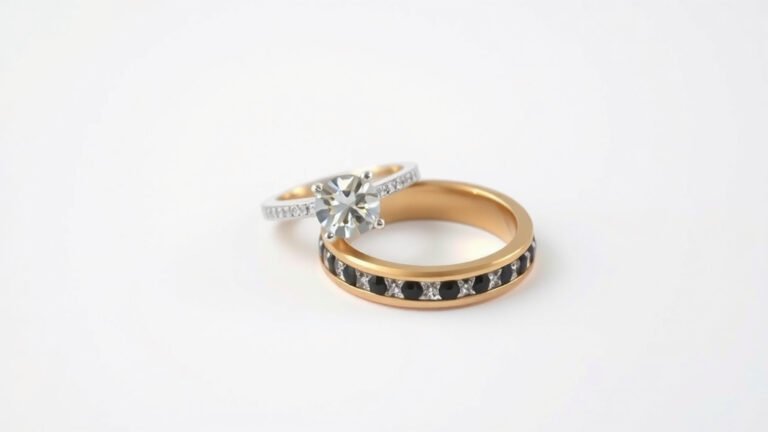
Sometimes, a ring profile isn’t a simple geometric shape. A shaped profile might curve or angle to fit perfectly with another ring, like an engagement ring. A tapered profile gets narrower towards the back. These are often chosen for aesthetic reasons to complement another piece of jewelry.
Factors to Consider When Choosing Your Profile
Now that you know the shapes, how do you pick the right one for *you*? It’s not just about looking at pictures; it’s about how it will feel and function in your life. We recommend thinking about these key areas.
Your Daily Lifestyle
Are you constantly working with your hands? Do you play sports? Or do you have a more desk-bound job? We found that your daily activities play a huge role in what profile will work best. A rounded, lower-profile ring might snag less if you’re very active. A flatter, more substantial profile might feel more secure if you’re worried about it slipping.
Think about your hobbies, too. If you knit, a ring that catches on yarn might drive you crazy. If you’re a musician, the feel of the ring against your fretting hand could be important. Experts often advise choosing a profile that won’t hinder your daily tasks (Cleveland Clinic).
Finger Shape and Size
The shape and size of your finger can influence how a ring profile looks and feels. Longer, slender fingers can carry off wider bands and more defined profiles beautifully. Shorter or wider fingers might find that a more rounded or lower-profile ring is more flattering and comfortable. We’ve seen that a narrower band often feels more proportionate on smaller hands.
A very wide, flat band on a smaller finger might overwhelm it. Conversely, a tiny, thin band on a larger finger might feel lost. The goal is harmony. Consider how the ring’s width and depth will interact with your finger’s natural shape.
Metal Choice and Profile
Some metals lend themselves better to certain profiles. For instance, platinum and palladium are very strong, allowing for thinner, more delicate profiles that are still durable. Gold, while also strong, can be softer depending on the alloy, and might be better suited to slightly more robust profiles if you’re prone to dents.
We found that the density of the metal also matters. A thick, heavy band in a dense metal can feel substantial. A lighter metal in the same profile might feel more airy. Researching the properties of your chosen metal can help you understand how it will perform in different profile shapes (GIA).
Your Ring Profile Checklist
Ready to make a decision? Use this quick checklist to guide your choice:
- Do you prioritize ultimate comfort?
- Does a modern, sharp look appeal to you?
- Do you want a balance of comfort and style?
- How active are your daily hands-on tasks?
- What metal are you considering, and how does it wear?
- Does the ring need to fit perfectly with another piece?
| Profile Type | Exterior Shape | Interior Shape | Comfort Level | Best For |
|---|---|---|---|---|
| Court | Rounded | Rounded | Highest | Everyday wear, sensitive skin |
| Flat | Flat | Flat | Moderate | Modern aesthetic, secure feel |
| D-Shape | Rounded | Flat | High | Balance of comfort and style, classic look |
| Flat Court | Flat | Rounded | High | Sleek look with added comfort |
Ultimately, the best ring profile for you is the one that feels and looks amazing on *your* finger. Don’t hesitate to try on different styles. Sometimes, you just know when you feel it!
Conclusion
You’ve learned about the different ring profiles and how each offers a unique feel and look. The court profile is your comfort champion, while the flat profile offers a sleek, modern vibe. The D-shape strikes a perfect balance between the two. Your lifestyle, finger shape, and metal choice all play a part in finding your perfect match. Remember, the best profile is the one that feels fantastic on your finger for years to come. Now, take that knowledge and go try on a few different shapes – your ideal ring awaits!
Frequently Asked Questions
What is the most comfortable ring profile for everyday wear?
We found that the court profile is widely considered the most comfortable for everyday wear. Its rounded interior means it feels smooth against your skin and is easy to slide on and off, minimizing pressure points.
Can a flat profile ring feel comfortable?
While flat profiles offer a modern look, comfort can vary. We’ve seen that the sharpness of the edges can be noticeable for some. Choosing a narrower flat band or considering a flat court profile can enhance comfort if you love the aesthetic.
Does the metal affect which ring profile I should choose?
Yes, your metal choice can influence profile suitability. Stronger metals like platinum can support thinner, more delicate profiles. Softer metals might be better in slightly more robust profiles to avoid dents, as we found in our research.
How does my finger shape affect my ring profile choice?
Your finger shape can impact the look and feel. Longer fingers can carry wider bands well, while shorter or wider fingers might find rounded or lower-profile rings more flattering and comfortable. We recommend considering proportion.
What if I need my ring to fit perfectly with another ring?
If you’re pairing rings, look for a shaped or tapered profile. These are specifically designed to curve or angle to sit flush against another ring, like an engagement band. This ensures a beautiful, seamless look.