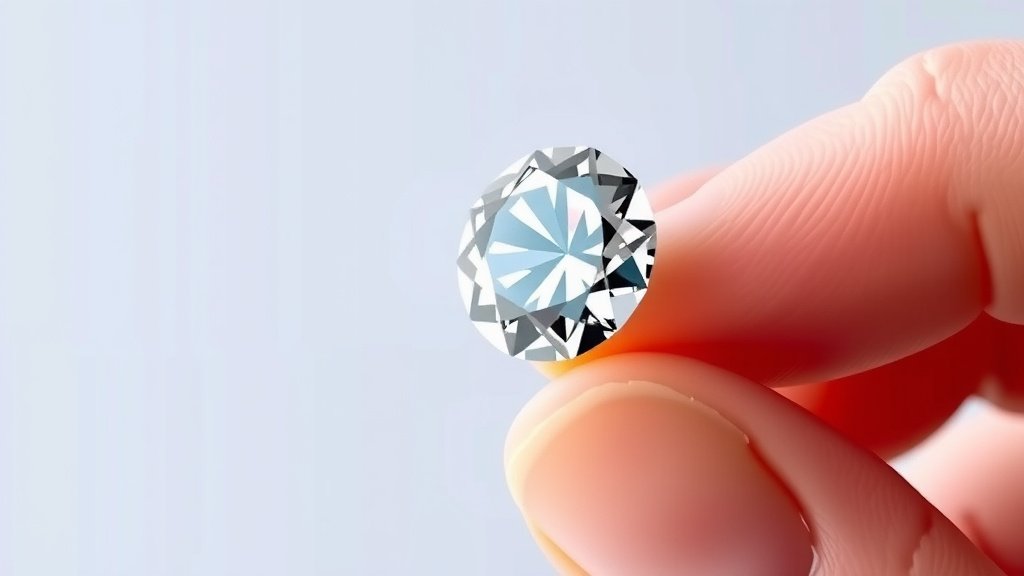
Are Lab Grown Diamonds Real Diamonds? The Truth Revealed
Yes, a lab grown diamond is a real diamond. It has the exact same chemical, physical, and optical properties as a natural diamond mined from the earth. They are just created differently, with lab grown diamonds being made in a controlled environment rather than deep within the earth.
Many people wonder if they are “fake,” but that’s simply not the case. Experts have found that lab created diamonds exhibit the same brilliance and durability as mined diamonds. They are just a more modern and often more affordable option. You’re getting the same sparkle without the same environmental impact.
- Lab grown diamonds are real diamonds.
- They share the same chemical makeup as natural diamonds.
- Lab diamonds are created in a controlled laboratory setting.
- They possess the same hardness and beauty.
- The primary difference is their origin.
Below, we’ll break down exactly what makes a lab grown diamond real and what you should know before you buy.
Understanding the Reality of Lab Grown Diamonds
So, are lab grown diamonds truly diamonds? The short answer is a resounding yes. They possess the same physical, chemical, and optical properties as diamonds formed deep within the earth. Think of it like baking a cake from a box versus baking from scratch. Both result in a cake, but the process is different. Lab grown diamonds are just a modern marvel of science.
What Makes a Diamond a Diamond?
A diamond is defined by its atomic structure. It’s a crystal made of pure carbon atoms arranged in a specific, repeating pattern. This arrangement gives diamonds their incredible hardness and brilliance. Lab grown diamonds have this exact same structure. Experts have confirmed that lab diamonds are chemically identical to natural diamonds. There’s no secret ingredient missing!
The Science Behind Lab Grown Diamonds
Creating a diamond in a lab involves mimicking the conditions deep within the earth, but in a controlled environment. There are two primary methods used: High Pressure-High Temperature (HPHT) and Chemical Vapor Deposition (CVD).
High Pressure-High Temperature (HPHT)
This method is similar to how natural diamonds form. It involves exposing a tiny diamond seed to extreme heat and pressure. Think of it like a super-powered pressure cooker. This process encourages carbon atoms to deposit onto the seed, gradually growing a larger diamond. Research has shown this method can produce beautiful, high-quality diamonds.
Chemical Vapor Deposition (CVD)
CVD is a bit different. It starts with a diamond seed placed in a vacuum chamber. Then, carbon-rich gases are introduced and heated. These gases break down, and carbon atoms deposit onto the seed, layer by layer. This technique allows for the creation of large, impressive diamonds. Many studies confirm the consistent quality produced by CVD.
How Do They Compare to Natural Diamonds?
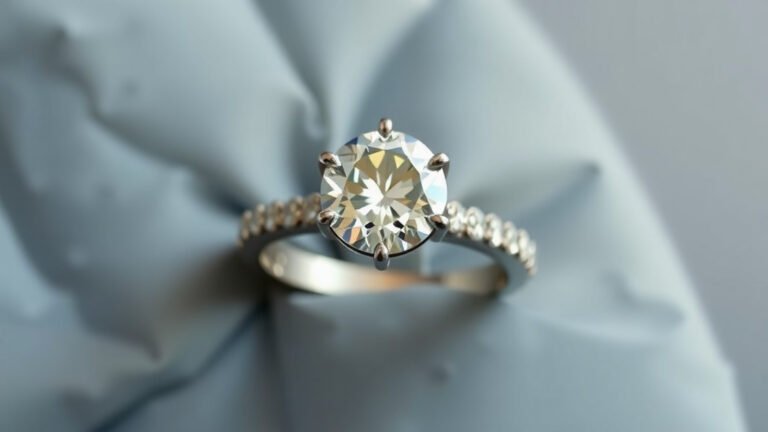
When you see a lab grown diamond next to a natural diamond of the same grade, you won’t be able to tell the difference with the naked eye. They have the same sparkle, fire, and durability. Jewelers use specialized equipment to tell them apart, but for all practical purposes, they are the same gem.
Durability and Hardness
Diamonds are famous for being the hardest known natural substance. This means they resist scratching and wear very well. Lab grown diamonds share this incredible hardness. On the Mohs scale of mineral hardness, both natural and lab grown diamonds score a perfect 10. This makes them perfect for everyday wear, whether it’s an engagement ring or a necklace.
Brilliance and Beauty
The “sparkle” of a diamond comes from how it reflects and refracts light. This is measured by its cut, clarity, color, and carat weight. Lab grown diamonds are graded on these same “4 Cs”. Because their atomic structure is identical to natural diamonds, they exhibit the same stunning brilliance. You can expect the same captivating play of light.
Identifying Lab Grown Diamonds: What You Need to Know
It’s important for consumers to know what they are buying. Reputable jewelers will always disclose whether a diamond is natural or lab grown. They are required by law in many places to do so. When you purchase a lab grown diamond, it should come with documentation stating its origin. This transparency ensures you are getting exactly what you paid for.
The Role of Gemological Laboratories
Organizations like the Gemological Institute of America (GIA) and the International Gemological Institute (IGI) are key players. They can test and identify diamonds. Both natural and lab grown diamonds are graded by these institutions. They use advanced technology to distinguish between the two. Their reports are a crucial part of the diamond buying process.
Why Choose a Lab Grown Diamond?
There are several compelling reasons why more people are opting for lab grown diamonds. For many, the ethical and environmental considerations are a major draw. Mining can have a significant environmental impact. Lab creation offers a more sustainable alternative. Plus, the cost is often considerably lower than for natural diamonds of comparable quality. This means you might be able to get a larger or higher-grade stone for your budget.
Many consumers find comfort in the fact that lab grown diamonds are created in a controlled environment. This eliminates concerns about conflict diamonds or unethically sourced gems. You can feel good about your purchase. It’s a choice that aligns with modern values for many shoppers.
Key Differences Summarized
Let’s quickly recap the main distinctions and similarities:
| Feature | Natural Diamond | Lab Grown Diamond |
|---|---|---|
| Chemical Composition | Carbon | Carbon |
| Physical Properties | Hardness, Brilliance (Identical) | Hardness, Brilliance (Identical) |
| Optical Properties | Reflectivity, Fire (Identical) | Reflectivity, Fire (Identical) |
| Origin | Mined from the Earth | Created in a Laboratory |
| Formation Time | Billions of Years | Weeks to Months |
| Price | Generally Higher | Generally Lower |
As you can see, the core characteristics that make a diamond desirable are present in both types. The difference is truly just in their journey to you. It’s like choosing between a vintage wine aged for decades and a perfectly crafted artisanal wine made recently. Both are excellent, but their story is different.
Your Checklist for Buying a Lab Grown Diamond
When you’re ready to explore your options, keep these points in mind:
- Understand they are real diamonds.
- Look for certification from reputable labs (GIA, IGI).
- Ask your jeweler about the diamond’s origin.
- Compare the 4 Cs: cut, color, clarity, and carat.
- Consider the environmental and ethical benefits.
- Shop with confidence, knowing you’re getting genuine diamond quality.
Conclusion
You now understand that lab grown diamonds are absolutely real diamonds. They share the identical chemical, physical, and optical properties as their earth-mined counterparts. The science behind their creation, whether HPHT or CVD, ensures you get the same stunning brilliance and durability you expect. Choosing a lab grown diamond means you’re making a smart, ethical, and often more affordable choice. Ready to find your perfect sparkle? Visit a trusted jeweler and explore the beautiful options available to you with confidence.
Frequently Asked Questions
Can a jeweler tell if a diamond is lab grown?
Yes, jewelers and gemological labs use specialized equipment to distinguish between natural and lab grown diamonds. While they are chemically and physically the same, subtle growth patterns can be identified under magnification. Reputable jewelers will always disclose the origin of the diamond you are purchasing.
Are lab grown diamonds less valuable than natural diamonds?
Lab grown diamonds are generally less expensive than natural diamonds of comparable size and quality. This is primarily due to the controlled production environment and shorter formation time, which reduces mining and extraction costs. Their value is based on their inherent qualities, like cut, color, clarity, and carat weight, rather than their rarity of origin.
Do lab grown diamonds have inclusions?
Both natural and lab grown diamonds can have inclusions, which are internal characteristics that occurred during their formation. The presence and type of inclusions affect a diamond’s clarity grade. Lab grown diamonds can sometimes have different types of inclusions compared to natural diamonds, but they are still graded using the same clarity scale.
Are lab grown diamonds covered by warranties or grading reports?
Absolutely. Reputable retailers offer grading reports from organizations like the GIA or IGI for lab grown diamonds, just as they do for natural diamonds. These reports detail the diamond’s specific characteristics. Many jewelers also provide warranties that cover manufacturing defects, just like they would for natural stones.
If a lab grown diamond is chemically the same, why is its origin important?
The origin is important for transparency and consumer choice. Knowing a diamond is lab grown allows you to make an informed decision based on factors like budget, ethical considerations, and environmental impact. While chemically identical, the story of its creation is different, and you deserve to know that story when making your purchase.