
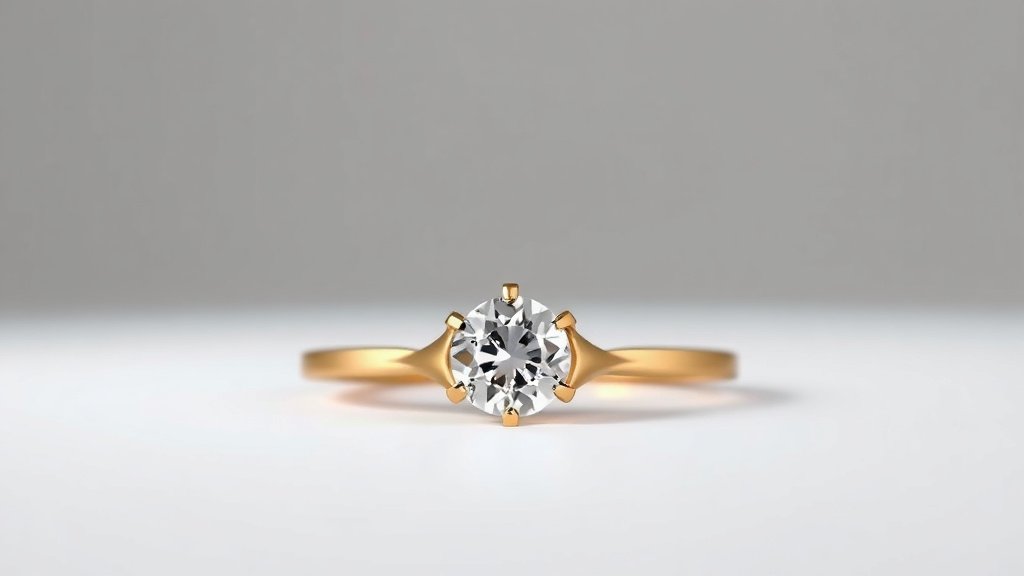
Ring Prong Replacement: When to Repair and When to Wait
You should replace a ring prong as soon as it looks thin, bent, cracked, or worn down. Even if nothing looks wrong, most jewelers recommend having your prongs checked once or twice a year, since a weak prong can quietly loosen its grip on your stone. In other words, don’t wait for a diamond to fall out before you act.
Here’s the thing: prongs do a lot of heavy lifting. They’re the little metal claws holding your stone in place, and daily wear from hand washing, gardening, and gym sessions wears them down faster than you’d think. We looked into what jewelers and gemologists commonly advise, and they agree on one point: catching prong damage early is far cheaper than replacing a lost gemstone. Many experts say a quick check at home — can you see the prong’s outline over the top of your stone? — goes a long way.
Quick TL;DR:
- Replace prongs that are thin, bent, cracked, or missing metal.
- Get prongs professionally inspected every 6 to 12 months.
- If your stone wiggles or clicks, stop wearing the ring and take it in.
- Everyday bumps and chemicals wear prongs down faster than you’d expect.
- Fixing a prong costs way less than replacing a lost diamond.
Below, we break down the exact signs to watch for, how long prongs typically last, and what a prong repair actually involves — step by step.
Signs Your Ring Prongs Need Replacing
The fastest answer: look for thinning metal, cracks, bent tips, or a stone that moves. Any one of these means it’s time to visit a jeweler. Two or more? Stop wearing the ring until it’s checked.
Think of prongs like the tires on your car. They wear down slowly, and you barely notice day to day. Then one pothole — or one knock against a counter — and suddenly you have a problem.
Thin or Worn-Down Prongs
We found that thinning is the most common reason prongs fail. Metal wears away every time your ring rubs against surfaces. Run your fingernail over each prong. If it feels flat or sharp instead of round, the prong has lost metal mass.
Many jewelers say a prong needs retipping once you can see it getting visibly skinny next to its neighbors. It’s like comparing one tire that’s balder than the rest — a clear warning sign.
Bent, Broken, or Missing Prongs
A bent prong can’t hold even pressure on your stone. A missing prong leaves the whole setting lopsided. Both are urgent repairs, not “someday” repairs.
Here’s a small anecdote we hear often: someone catches their ring on a sweater, shrugs it off, and a month later the diamond is gone. A prong that bends is a prong that’s telling you something.
A Stone That Wiggles or Clicks
Gently tap the stone with your fingernail. Hear a click? See the stone shift? That’s loose prong tension, and it’s the last stop before the stone pops out.
Many experts say this is the one sign you should never ignore. Take the ring off and bag it. Trust us — a sandwich bag is cheaper than a new diamond.
How Often Should You Get Ring Prongs Checked?
Once or twice a year is the standard advice. We found that most jewelers recommend a professional checkup every 6 to 12 months, especially for rings you wear daily.
Why so often? Because prong wear is sneaky. You won’t see a 10% loss of metal. Your jeweler uses a loupe and can catch it early — kind of like a dentist spotting a cavity before it hurts.
Check More Often If You Do These Things
- Gardening — soil and tools grind away at metal.
- Gym workouts — weights ding prongs and loosen stones.
- Swimming — cold water shrinks your fingers, and loose rings slip off.
- Cleaning with chemicals — bleach and chlorine can weaken some metals over time.
- Working with your hands — constant knocking adds up fast.
For daily wearers in these situations, many experts suggest a check every 3 to 6 months. It’s usually free at jewelry stores, so there’s no reason to skip it.
Prong Repair Costs: Retipping vs. Full Replacement
Short answer: retipping one prong often costs $25 to $60, while a full replacement runs higher. Prices vary by jeweler, metal type, and how many prongs need work.
Compare that to a lost stone. Replacing a diamond can cost hundreds or thousands — and no replacement will carry the sentimental weight of the original. The math pretty much makes itself.
| Repair Type | When It’s Needed | Typical Cost Range |
|---|---|---|
| Retipping | Prong is thin but still intact | $25–$60 per prong |
| Re-tipping multiple prongs | General wear across the setting | $80–$150 |
| Full prong replacement | Prong is broken or missing | $50–$100+ per prong |
| New head / setting | Multiple prongs damaged or worn out | $150–$400+ |
Ask for an estimate in writing before any work starts. Most reputable jewelers will inspect and quote for free.
How Long Do Ring Prongs Actually Last?
There’s no fixed clock. We found that well-made prongs on a gently worn ring can last 10 to 20 years or more. A ring worn every day through chores and workouts? Prongs might need work in 5 to 10 years.
Metal type plays a role too. Platinum is denser and wears slower than gold. Softer 14k or 18k gold prongs tend to wear down and bend more easily. That’s not a knock on gold — it’s just softer stuff.
Factors That Shorten Prong Life
Wear patterns matter more than the calendar. These habits quietly shrink prong life:
- Sleeping in your ring (sheets and pillows rub metal all night).
- Wearing it while lifting, cleaning, or cooking.
- Exposure to chlorine in pools and hot tubs.
- Knocks against desks, doorframes, and countertops.
- Never getting professional cleanings that double as inspections.
Wondering if yours are already on borrowed time? A jeweler can tell you in about two minutes.

What Happens During a Prong Repair?
Most prong jobs are simple. The jeweler inspects the setting, adds new metal to worn tips (that’s retipping), and reshapes each prong to grip the stone evenly. The whole process often takes a few days to a week.
For badly worn settings, the jeweler may recommend a new head — basically a fresh basket for your stone. Your gem gets lifted out and set into like-new prongs. It’s the ring equivalent of new brakes on a car you love.
How to Check Your Prongs at Home
You don’t need tools or training. Just a few minutes and decent lighting. Use this quick checklist once a month:
- The tabletop test: place the ring face down on a flat surface. If the stone touches the table, the prongs are too short.
- The fingernail drag: run a nail over each prong tip. Snagging or clicking means something’s off.
- The wiggle test: press the stone gently. Any movement is a red flag.
- The side view: hold the ring at eye level. Are all prongs the same height and thickness?
- The click test: tap the stone and listen. A rattly sound means it’s loose.
- The sparkle check: if the stone looks dull or sits unevenly, dirt may be hiding a deeper problem.
If any test fails, skip the DIY fixes and see a jeweler. Superglue and pliers are not your friends here — we promise.
Stop Wearing the Ring If You Notice These
Some signs mean “schedule an appointment.” Others mean take it off right now:
- The stone moves at all under gentle pressure.
- A prong tip has snapped clean off.
- Two or more prongs look paper-thin.
- You hear clicking or rattling when you tap the stone.
- You catch the ring snagging constantly — prongs may be bent outward.
Store the ring in a padded box or bag until it’s repaired. Keep it away from other jewelry, which can knock the stone loose in transit. Better safe than sorry — and way cheaper than sorry, too.
Conclusion
Your prongs are the only thing standing between your stone and the floor. Watch for thin metal, bent tips, cracks, or a stone that clicks or wiggles — and take those signs seriously. Make a quick at-home check part of your monthly routine, and get a professional inspection every 6 to 12 months (more often if your hands work hard). We found that a retip costs a fraction of what you’d spend replacing a lost diamond, both in dollars and in sentiment. Don’t wait for a warning you can’t undo. Your next step is simple: run the tabletop and wiggle tests on your ring today, then book a free checkup with a local jeweler this week.
Frequently Asked Questions
Can I still wear my ring with one weak prong?
We’d advise against it. A single weak prong puts uneven pressure on your stone, which can loosen the other prongs faster. If the prong still looks intact but thin, a short trip to the jeweler is all you need. If the stone moves, take the ring off until it’s repaired.
Can a jeweler fix a prong without removing my diamond?
Often, yes. Retipping adds new metal to worn prong tips, and most jewelers can do this with the stone still set. If the setting is badly worn, they may need to lift the stone out to fit a new head. Your jeweler will tell you which route makes sense before any work begins.
Does insurance cover prong repair or a lost stone?
It depends on your policy. Many jewelry insurance plans cover prong repair and lost stones, but some exclude losses caused by poor maintenance. That’s another reason to keep up with regular inspections. Check your policy details or call your insurer to confirm what’s included.
Is it normal for prongs to wear down on a brand-new ring?
Some wear is normal, but a new ring shouldn’t show it for years. If the prongs on a fresh setting look thin, short, or uneven, the setting may have been made poorly or damaged during manufacturing. We’d recommend taking it back to the jeweler or retailer for an inspection under warranty.
How long does a prong repair take?
Most retipping jobs take a few days to a week, depending on the jeweler’s workload. A full head replacement can take longer since the stone must be reset carefully. If you need your ring fast, ask about rush service — many shops offer it for a small extra fee.