Why Do Sapphires Come in Different Colors? Explained
Sapphires come in different colors because of trace elements mixed into the crystal as it forms deep underground. Pure corundum (the mineral sapphire is made of) is colorless, but tiny amounts of iron, titanium, or chromium change everything. That’s why you see blue, pink, yellow, green, and even orange sapphires.
So when someone says “sapphire,” they’re usually picturing the famous blue stone, but that’s only one member of a big, colorful family. Gems without the classic blue are called fancy sapphires, and many experts say some rare colors, like pinkish-orange padparadscha, can cost even more than blue. We dug into how all this works, and honestly, the science is simpler than you’d think.
TL;DR:
- Sapphires get their color from trace elements like iron, titanium, and chromium.
- Blue comes from iron and titanium; pink and red hues come from chromium.
- Non-blue sapphires are called fancy sapphires.
- Heat treatment is often used to improve or bring out color.
- Where a sapphire is mined also affects its typical color.
Below, we break down exactly why sapphires show up in so many shades, what causes each color, and what you should know before picking one out.
What Gives Sapphires Their Many Colors
Sapphires change color based on which trace elements sneak into the crystal while it forms. Think of corundum as plain vanilla ice cream. The toppings decide the flavor.
We found that even tiny amounts of these elements make a big difference. A few atoms here and there can turn a colorless stone into a deep blue gem. It’s like adding one drop of food coloring to a whole glass of water.
The Role of Corundum and Trace Elements
Corundum is the mineral family that includes both sapphires and rubies. On its own, it’s colorless. No personality, no pizzazz.
Nature then adds its own recipe. Iron, titanium, chromium, and vanadium each bring something different to the mix. The amounts are tiny, often less than one percent, but that’s all it takes.
How Iron and Titanium Create Blue
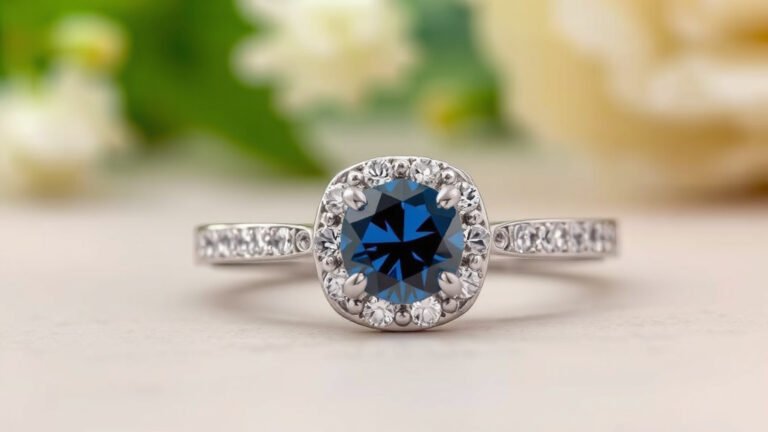
Blue sapphires need a team effort. Iron and titanium have to be present together in the same crystal. When light passes through, those two elements interact and absorb red and yellow light, leaving blue behind.
Here’s the fun part. A stone with iron but no titanium stays colorless. So does a stone with titanium but no iron. It takes both, like a dance partner situation.
How Chromium Creates Pink and Red
Chromium is the drama queen of trace elements. A little bit gives you a pink sapphire. A lot gives you a ruby, since ruby is just corundum with enough chromium to go red.
Where’s the line between pink sapphire and ruby? Many experts say it comes down to how much chromium is present and how the color reads to the eye. Gem labs sometimes disagree, which tells you how blurry that line really is.
Meet the Fancy Sapphires
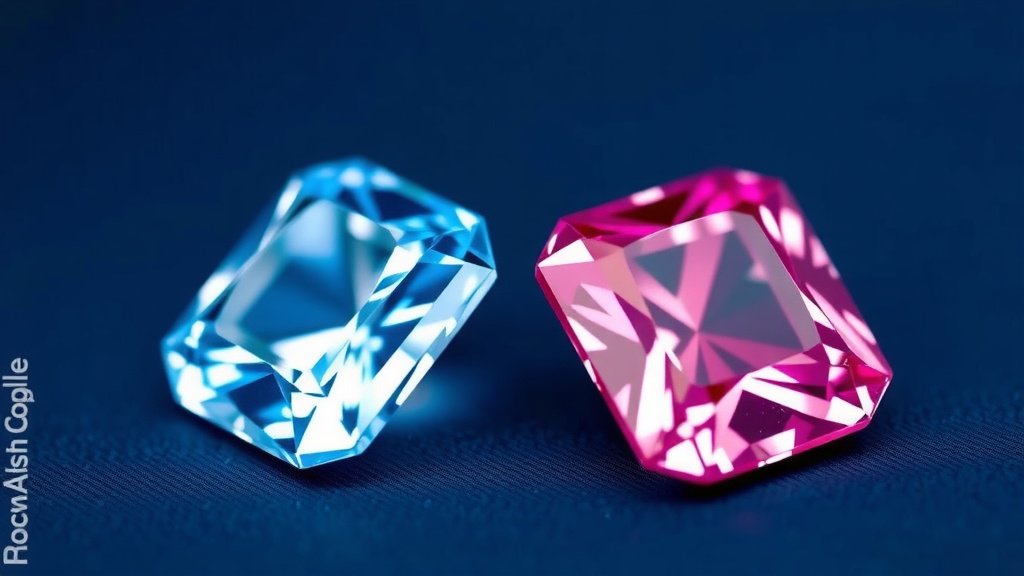
Any sapphire that isn’t blue gets called a fancy sapphire. The name sounds fancy, but it just means “not blue.”
Each color has its own cause. Here’s a quick breakdown:
- Yellow sapphires: iron on its own, without titanium.
- Green sapphires: iron plus small amounts of titanium and other elements mixed unevenly.
- Purple and violet sapphires: chromium combined with iron and titanium.
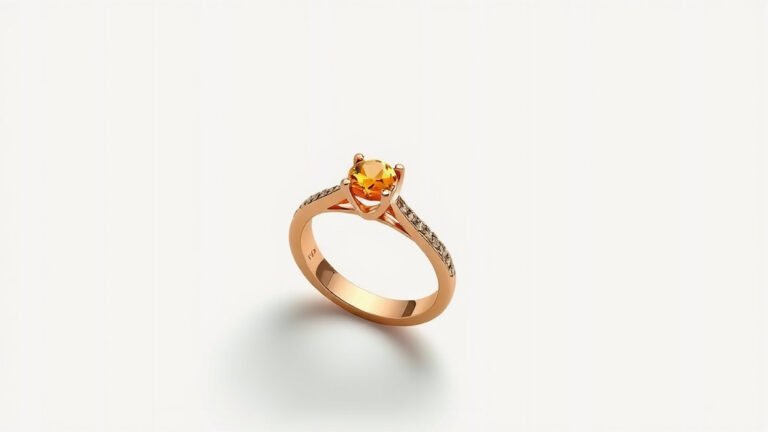
- Orange sapphires: iron plus a touch of chromium working together.
- Padparadscha: a rare pinkish-orange blend, often considered the holy grail.
Padparadscha gets its name from the lotus flower, and we found that collectors pay premium prices for stones with that exact sunset shade.
How Mining Location Shapes Color
Where a sapphire grows matters. The soil and rock chemistry in each region is different, so stones from the same mine often share a similar look.
Kashmir sapphires are famous for a soft, velvety blue. Sri Lankan stones tend to be brighter and lighter. Sapphires from Madagascar now fill much of the market with a wide range of shades. Thai and Australian stones often show darker, inky blues.
It’s like wine. Grapes grown in different regions taste different, even when the grape is the same. Sapphires work the same way.
| Trace Element | Resulting Color |
|---|---|
| Iron + titanium | Blue |
| Chromium (small amount) | Pink |
| Chromium (large amount) | Red (ruby) |
| Iron alone | Yellow |
| Iron + chromium | Orange |
| Mixed elements | Green, purple, violet |
Color Zoning and Uneven Shades
Not every sapphire wears its color evenly. Some stones show color zoning, which means bands or patches of different shades inside one gem.
This happens because trace elements didn’t mix evenly while the crystal grew. You might see a blue stone with faint yellow streaks running through it. Cutters often position the stone to hide the zoning or use it to boost the best color.
When Zoning Becomes a Bonus
Sometimes zoning is a feature, not a flaw. Bicolor and parti sapphires show two or more distinct colors on purpose. Many buyers love them because no two stones look exactly alike.

Heat Treatment and Color Enhancement
Here’s something most jewelers will tell you upfront: the majority of sapphires on the market have been heat treated. This is a practice the gem trade accepts widely, and the Gemological Institute of America notes it’s one of the oldest and most common treatments in the industry.
Heating a stone to high temperatures can change which elements are available to interact. That can lighten a stone that’s too dark, deepen a pale one, or remove a silky haze.
Treated vs. Untreated Stones
Untreated sapphires with strong color are rare, and rarity drives price. A certified untreated stone can cost far more than a heated one of similar appearance.
Neither option is “wrong.” It depends on your budget and why you’re buying. Many gem labs, like GIA and others, issue reports that disclose whether a stone has been heated, so always ask for documentation.
What to Check Before You Buy a Colored Sapphire
Shopping for a fancy sapphire? Keep this short checklist handy:
- Ask whether the stone is natural or lab grown.
- Request a lab report disclosing any heat treatment.
- Look at the stone in both daylight and indoor light.
- Check for strong color zoning if even color matters to you.
- Compare padparadscha claims carefully, since fakes are common.
- Buy from a seller who offers a return window.
Do Lab-Grown Sapphires Get Their Color the Same Way?
Yes, and that’s the neat part. Lab-grown sapphires are real corundum, made by people instead of geology. Scientists add the same trace elements during the growth process to get the color they want.
We found that lab stones can be chemically almost identical to natural ones. The main difference is origin and price, since lab-grown stones usually cost a fraction of what mined gems do.
Why Color Matters So Much for Value
Color is the single biggest driver of a sapphire’s price. Cut and clarity matter too, but gemologists weight color most heavily.
For blue stones, the ideal is often described as a vivid, medium-dark cornflower blue, sometimes called “royal blue.” Stones that are too dark look inky. Stones that are too light look washed out.
For fancy colors, saturation rules the day. A rich, even yellow or a glowing padparadscha can outprice ordinary blue stones. Many experts say the rarest, cleanest colors keep their value best over time.
Conclusion
Now you know the secret behind the rainbow. Sapphires come in different colors because of tiny trace elements, like iron, titanium, and chromium, that mix into corundum as it grows. Blue needs iron and titanium working together, while chromium brings pink, and enough of it makes a ruby. Everything else falls under the fancy sapphire umbrella, from sunny yellows to that rare padparadscha glow.
Our research and digging found that location, heat treatment, and even color zoning all shape what ends up in the jewelry case. So before you buy, decide which color speaks to you, then ask for a lab report. Your perfect stone is out there.
Frequently Asked Questions
Can a single sapphire change color in different lighting?
Yes, some rare stones do this. They’re called color-change sapphires, and they can look blue in daylight and shift to purple or reddish under indoor lighting. It’s caused by how chromium and vanadium inside the stone react to different light sources.
Are black sapphires real sapphires?
They are. Black sapphires contain high levels of iron, which makes the stone so dark it reads as almost opaque. They’re more affordable than blue sapphires and have grown popular in men’s jewelry and star sapphire designs.
Do colorless sapphires exist?
They do. When corundum forms without any trace elements, the result is a clear, colorless gem sometimes called a white sapphire. These stones are real sapphires and are often used as a diamond alternative, though they have less sparkle and fire.
Which sapphire color is the rarest?
Most gemologists point to padparadscha, the pinkish-orange stone named after a lotus flower. Fine, untreated padparadscha stones with an even color are extremely hard to find. Genuinely large examples can sell for more than comparable blue sapphires.
Does a darker sapphire always mean a better sapphire?
No, and this trips up a lot of buyers. Color that’s too dark, like the inky blues from some Australian mines, can look muddy in low light. Gemologists usually prize a vivid, medium-tone color over a very dark one, so judge saturation and evenness instead of depth alone.