Why Emeralds Have Inclusions: What Causes Them Naturally
Emeralds have inclusions because they form deep inside the earth under intense heat and pressure, which traps tiny bits of other minerals, gas, and liquid inside the stone as it grows. Think of them as nature’s fingerprints. They prove your emerald is real.
Unlike diamonds, emeralds grow in rocky, chaotic environments where pure crystals are nearly impossible. Gem experts even have a fun nickname for these marks: jardin, the French word for garden, because the inclusions can look like little leaves or moss inside the stone. We researched what top gemologists say, and they agree: almost every natural emerald has them.
Still curious? Here’s the short version:
- Inclusions form while the emerald is growing underground.
- They’re made of trapped minerals, gases, or liquids.
- Nearly all natural emeralds have them, so a flawless one is suspicious.
- Some inclusions affect durability, while others barely matter.
- More visible inclusions usually mean a lower price.
Below, we break down everything you need to know about why emeralds have inclusions, what they mean, and how they affect the stone you’re buying. Let’s dig in (pun totally intended).
What Causes Inclusions in an Emerald?
Emeralds form when beryllium, aluminum, and trace chromium meet deep underground under wild conditions. That recipe gets stirred up with other minerals, hot fluids, and gas pockets. The result? Tiny foreign material gets locked inside the crystal as it grows.
Think of it like baking bread in a messy kitchen. A little flour, a bit of air, maybe a crumb from another dish — all of it can end up in the loaf. Emeralds grow the same way, just over millions of years.
The Role of Trapped Liquids and Gases
Many inclusions are actually tiny bubbles of fluid or gas that got sealed inside while the crystal was forming. Gemologists call these two-phase or three-phase inclusions, and they’re one of the biggest clues that an emerald is natural.
Research from gemological labs like the Gemological Institute of America shows these fluid fingerprints often match the exact region where the stone was mined. Pretty neat, right?
Why Emeralds Get It Worse Than Diamonds
Emeralds belong to the beryl family, and their crystal structure grows with more faults and fractures than most gemstones. Diamonds form in a far more stable environment, which is why a flawless diamond is possible but a flawless emerald is basically a unicorn.
Common Types of Emerald Inclusions
We researched what gemologists look for under magnification, and the same cast of characters shows up again and again:
- Jardin — mossy-looking patches of tiny crystals and fractures.
- Nail-head inclusions — small dark spots with a tiny tail, often fluid-filled.
- Needles — thin mineral tubes that look like threads.
- Chunks of other minerals — like pyrite or calcite trapped inside.
- Growth lines — faint stripes showing how the crystal layered over time.
How Inclusions Affect Emerald Quality and Price
Direct answer: more visible inclusions usually mean a lower price, but clarity rules are looser for emeralds than any other gem. The trade accepts that a clean emerald is rare, so buyers judge eye-visibility instead of perfection.
The Clarity Grading Difference
Most grading systems rank emeralds into three loose categories: eye-clean (no marks visible without magnification), slightly included, and heavily included. Eye-clean stones command the highest prices, sometimes several times more than a heavily included stone of the same size.
| Inclusion Level | How It Looks | Typical Price Impact |
|---|---|---|
| Eye-clean | Clear to the naked eye | Highest |
| Slightly included | Minor jardin, still bright | Moderate |
| Heavily included | Visible moss or cracks | Lowest |
When Inclusions Become a Durability Problem
Here’s the part most jewelers wish buyers understood sooner. Surface-reaching cracks, called fissures, can make an emerald fragile. A knock on a countertop could chip or split the stone.
Inclusions fully sealed inside the gem? Those usually don’t weaken it at all. Many experts say the danger zone is anything that touches the surface or sits near a facet edge.
Quick Durability Checklist
Before you buy, run through this list:
- Look for cracks that reach the surface.
- Check whether inclusions sit near the edges or corners.
- Ask if the stone has been oiled or treated.
- Hold it up to light and look for deep fractures.
- Ask the seller for a grading report.
- Consider how you’ll wear it — ring, pendant, or earrings.
Do Inclusions Prove an Emerald Is Real?
Short answer: they help a lot, but they’re not the whole story. Lab-grown emeralds can also contain inclusions, just different ones. Natural emeralds tend to show chaotic, irregular jardin, while synthetic stones often have straighter, more orderly growth patterns.
That’s why we found that reputable gemologists recommend a lab certificate for any high-value purchase, not just a squint-and-hope inspection. GIA and similar labs can spot the difference under magnification.
Treatments You Should Know About
Almost all emeralds on the market are oiled. Clear cedar oil fills surface-reaching fissures so they’re less visible. This is an accepted, centuries-old practice — but it should always be disclosed by the seller.
Heavier treatments using epoxy or polymer fillers are a red flag. They can darken, crack, or yellow over time. Many experts say untreated or lightly oiled stones hold their value best.
Should You Avoid an Emerald With Lots of Inclusions?
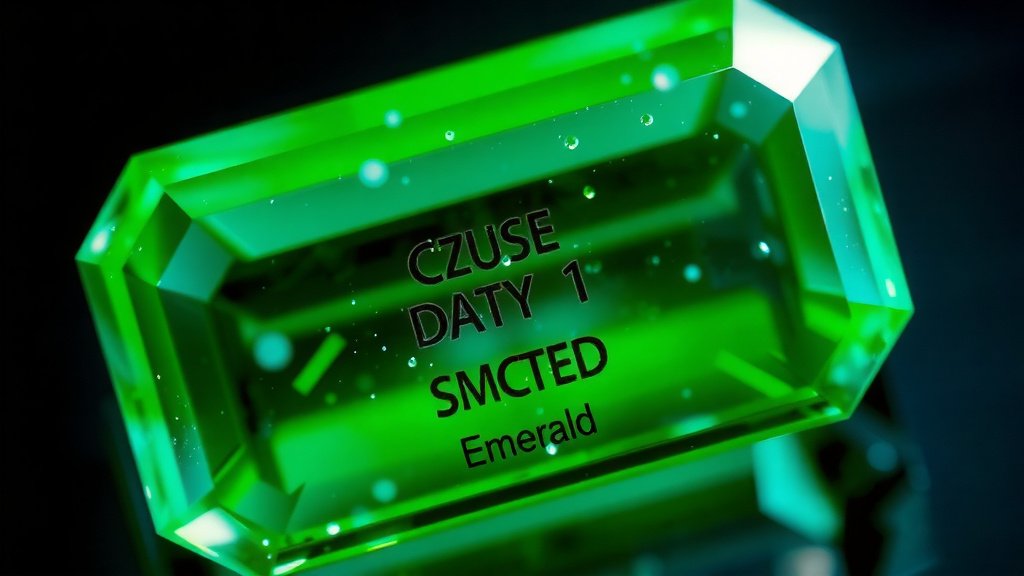
Not necessarily. If the inclusions don’t reach the surface and the stone still glows beautifully, you may have found a bargain. The emerald trade even has a saying: the color matters more than the clarity. A rich, vivid green with some jardin often beats a paler, cleaner stone.
So when you’re shopping, ask yourself one question: does it look alive in normal light? If yes, those little garden marks might just be part of its charm.
Conclusion
Inclusions aren’t a flaw in your emerald — they’re the story of how it was born. Those trapped minerals, gases, and fluids form nature’s fingerprints, and nearly every natural emerald carries them. What matters most is how visible they are, whether any cracks reach the surface, and whether the color still makes the stone glow. Remember, a vivid green stone with a little jardin often beats a paler, cleaner one. We also found that oiling is normal, but heavier fillers are a red flag. Your next step? Before you buy, ask for treatment details and a lab grading report. That one question can save you real money and heartache.
Frequently Asked Questions
Can an emerald be 100% flawless?
A completely inclusion-free natural emerald is so rare that most gemologists will never see one in their career. Stones marketed as flawless emeralds are usually lab-grown, heavily treated, or not emeralds at all. If the price seems too good for a “perfect” stone, be skeptical.
Do inclusions make an emerald worth less over time?
Not always. Heavily included stones start at a lower price, so they have less room to drop. Lightly oiled emeralds with rich color tend to hold their value well. Poorly treated stones or those with surface cracks are the ones most likely to lose value.
Are emeralds with inclusions safe for everyday rings?
They can be, but choose carefully. Look for inclusions that stay sealed inside the stone and away from facet edges. We found many jewelers recommend bezel settings for daily-wear emerald rings because they shield the edges from knocks.
Can you remove inclusions from an emerald?
No, inclusions are locked inside the crystal and can’t be removed. Oiling can reduce the visibility of surface-reaching fissures, but nothing erases internal marks. Any seller claiming to “clean out” inclusions is misrepresenting the stone.
Do synthetic emeralds have inclusions too?
Yes, but they look different. Lab-grown stones often show orderly growth patterns, curved lines, or leftover flux materials instead of the chaotic jardin seen in natural emeralds. A gemological certificate is the only reliable way to know for sure.