What is Diamond Polish? Understanding Gemstone Clarity
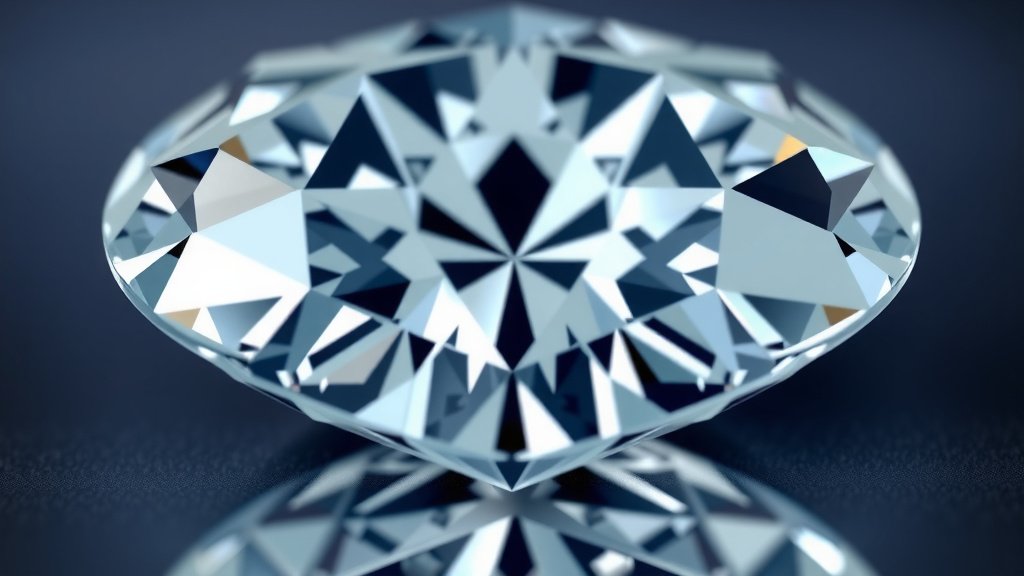
Diamond polish is the final stage of shaping and refining a diamond to give it maximum brilliance and sparkle. It’s a meticulous process that transforms a rough stone into a dazzling gem. Essentially, diamond polish refers to the smooth, reflective surface achieved through abrasion and buffing.
Getting the polish just right is incredibly important for a diamond’s overall beauty. A well-polished diamond reflects light more effectively, creating that mesmerizing sparkle you love. Experts agree that polish, along with cut, plays a huge role in how a diamond catches and reflects light, making it appear lively and bright. It’s all about creating a flawless, mirror-like finish.
- Diamond polish is the final smoothing of a diamond’s surface.
- It gives the diamond its sparkle and shine.
- It’s achieved through abrasion and buffing techniques.
- A good polish makes the diamond reflect light better.
- Polish is as important as cut for a diamond’s beauty.
Let’s walk through exactly what diamond polish means and why it matters so much for your diamond’s stunning appearance.
Understanding Diamond Surface Finishing
Diamond polish is the final buffing and smoothing of a diamond’s surface. It’s what gives your diamond its brilliant shine. Think of it like polishing a piece of furniture. The smoother it is, the more it reflects light.
The Art of Diamond Polishing
Polishing is the very last step in the diamond cutting process. After a diamond cutter shapes the rough stone, they polish each facet. This creates the smooth, reflective surfaces you see. It’s a delicate job that requires immense skill.
Abrasion and Buffing Techniques
Diamond polish is achieved using specialized tools. These often involve a spinning wheel coated with diamond dust. The diamond cutter uses this wheel to gently abrade and buff each facet. This process removes any microscopic scratches or imperfections left from the shaping phase. The goal is a surface as smooth as glass.
Why Polish Matters for Sparkle
A diamond’s sparkle comes from light. Light enters the diamond, bounces around inside, and then exits to your eye. The smoother the surface, the better light can reflect outwards. Poor polish can scatter light. This makes the diamond look dull, even if its cut is good.
How Diamond Polish Affects Brilliance and Fire
When we talk about a diamond’s beauty, we often mean its brilliance and fire. Polish plays a direct role in how you see these qualities. You want your diamond to dazzle and catch the light. That’s where polish really shines.
Brilliance: The Inner Glow
Brilliance refers to the bright white light reflected from a diamond. This is the overall sparkle you notice first. A well-polished diamond will reflect light brilliantly. Imagine a mirror; it shows a clear, bright reflection. A diamond with excellent polish acts similarly, bouncing light back without distortion.
Fire: The Rainbow Effect
Fire is the flashes of color you see as the diamond moves. This happens when white light is dispersed into its spectral colors. Think of a rainbow. The smoother the surface, the more effectively light can break apart. This results in more vibrant flashes of color. A rough or poorly polished surface can disrupt this process.
The Polish Grade: What to Look For
Diamond graders assess polish on a scale. This scale helps consumers understand the quality of the finish. It’s part of the overall diamond grading report. Here’s a general breakdown:
| Grade | Description |
|---|---|
| Excellent (EX) | No visible blemishes or polish lines, even under magnification. The surface is perfectly smooth. |
| Very Good (VG) | Minor polish lines may be present but are not visible to the naked eye. They require magnification to see. |
| Good (G) | Noticeable polish lines or minor abrasions may be visible under magnification. They can sometimes slightly affect appearance. |
| Fair (F) | Significant polish lines, scratches, or abrasions that can be seen with the naked eye and impact brilliance. |
| Poor (P) | Severe surface damage that greatly diminishes the diamond’s sparkle and beauty. |
When choosing a diamond, look for a polish grade of Excellent or Very Good. These grades ensure your diamond will have maximum sparkle. Many experts suggest that for most consumers, a “Very Good” polish is perfectly acceptable and offers great value.
Polish vs. Symmetry: Understanding the Difference
It’s easy to confuse polish with symmetry, but they are different. Both are important for a diamond’s look, but they affect it in distinct ways. Understanding the difference helps you make a more informed choice.
Polish: The Surface Smoothness
As we’ve discussed, polish is all about the smoothness of each facet. It’s the final finish. Think of it as the “sheen” on the diamond’s surface. It prevents light from being scattered by microscopic imperfections.
Symmetry: The Facet Alignment
Symmetry, on the other hand, refers to how well the facets are aligned. Are the angles precise? Do the facets meet perfectly? Good symmetry ensures that light travels correctly within the diamond. It allows the diamond to reflect and refract light as intended. Poor symmetry can cause light leakage, making the diamond appear less bright.
How They Work Together
You need both excellent polish and good symmetry for a truly stunning diamond. Imagine a perfectly aligned set of mirrors (symmetry). If those mirrors are smudged or scratched (poor polish), the reflection won’t be clear. A diamond needs both precise angles and a flawless surface to perform at its best.
Tips for Choosing a Diamond with Great Polish
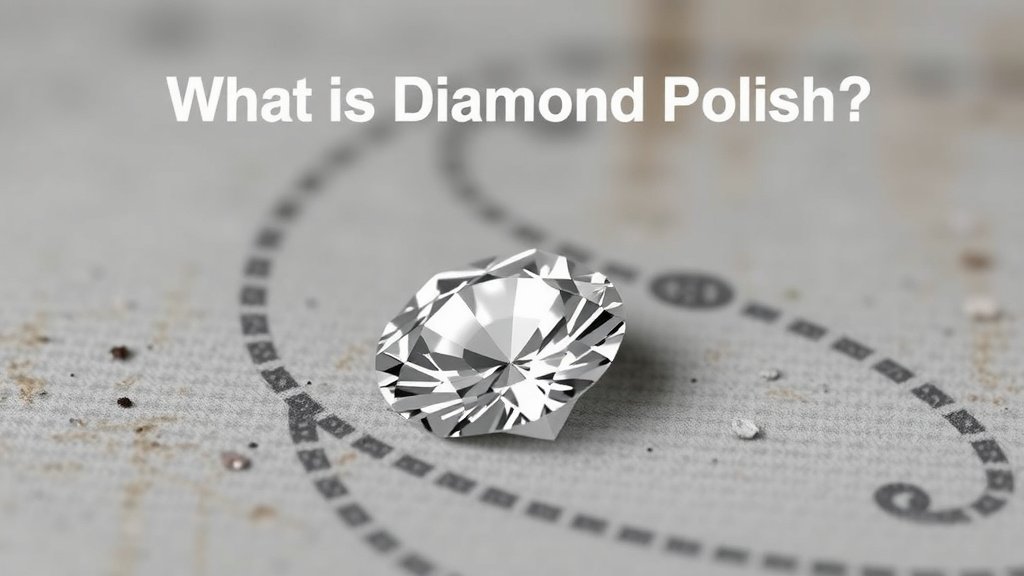
So, how do you ensure you’re getting a diamond with a fantastic polish? Here are a few pointers to keep in mind:
- Check the Diamond Certificate: Look for the polish grade on the grading report. Aim for “Excellent” or “Very Good.”
- Ask Your Jeweler: Don’t hesitate to ask for an explanation of the polish grade. A good jeweler will be happy to explain.
- View Under Magnification: If possible, view the diamond under a jeweler’s loupe. You can often see subtle polish lines.
- Consider the Price: While polish is important, don’t overspend solely on it. A “Very Good” polish often provides excellent beauty for the price.
- Trust Your Eyes: Ultimately, if the diamond looks bright and sparkly to you, that’s what matters most!
Remember, polish is just one piece of the puzzle. It works hand-in-hand with the diamond’s cut, clarity, and color to create its overall beauty. However, a well-polished diamond is truly a sight to behold.
Conclusion
You’ve learned that diamond polish is the crucial final step that creates your diamond’s sparkle. It’s what gives each facet its smooth, mirror-like finish. A great polish allows your diamond to reflect light brilliantly and show off vibrant flashes of color. Remember, polish works with cut, clarity, and color to make a diamond truly breathtaking. When you’re ready to choose your diamond, always check its polish grade. Aiming for an ‘Excellent’ or ‘Very Good’ polish will ensure you get a diamond that truly dazzles.
Frequently Asked Questions
Does diamond polish affect a diamond’s price?
Yes, polish can influence a diamond’s price, though usually less than cut or clarity. An ‘Excellent’ polish grade can command a slightly higher price than lower grades because it maximizes the diamond’s beauty. However, the difference may not always be noticeable to the naked eye.
Can I see the polish grade on a diamond certificate?
Absolutely. Reputable diamond grading reports, like those from GIA or AGS, will clearly state the polish grade. It’s usually listed alongside symmetry and finish. Always check this detail when reviewing a diamond’s specifications.
Is polish more important than symmetry?
Both polish and symmetry are vital for a diamond’s overall appearance and sparkle. Polish affects the surface smoothness and how light reflects, while symmetry impacts how well light travels within the stone. For the best brilliance, you ideally want excellent grades in both areas.
What happens if a diamond has poor polish?
A diamond with poor polish will appear duller and less sparkly. Microscopic scratches or rough areas on the surface can scatter light instead of reflecting it cleanly. This can make the diamond look lifeless, even if its other characteristics are good.
How long does diamond polishing take?
The actual polishing process for a single diamond facet takes only a fraction of a second. However, the entire polishing stage for a whole diamond can take several hours. This includes setting up the diamond, performing the buffing, and inspecting the results.