Understanding Diamond Carat Weight: Your Essential Guide
A diamond’s carat weight is simply the unit of measurement for its size. It tells you how much a diamond weighs, not how big it looks. One carat is equal to 0.2 grams. So, when you see a diamond listed as 1.50 carats, it means it weighs 0.3 grams.
Understanding carat weight is key to knowing what you’re paying for. It’s one of the “4 Cs” of diamonds, alongside cut, color, and clarity. Larger diamonds are rarer, so carat weight heavily influences a diamond’s price. You might be surprised how much the price can jump between carat sizes.
- Carat weight measures a diamond’s size by its weight.
- One carat equals 0.2 grams.
- It’s a major factor in a diamond’s price.
- Larger diamonds are generally rarer and more expensive.
Ready to learn more about how diamond size affects its sparkle and value? Let’s break down everything you need to know about carat weight.
Understanding Diamond Carat Weight: More Than Just Size
So, you’re looking at diamonds and see numbers like 0.75 ct, 1.0 ct, or 2.0 ct. What does this really mean for you and your diamond? It’s all about the carat weight. Think of carat as the diamond’s official weight tag.
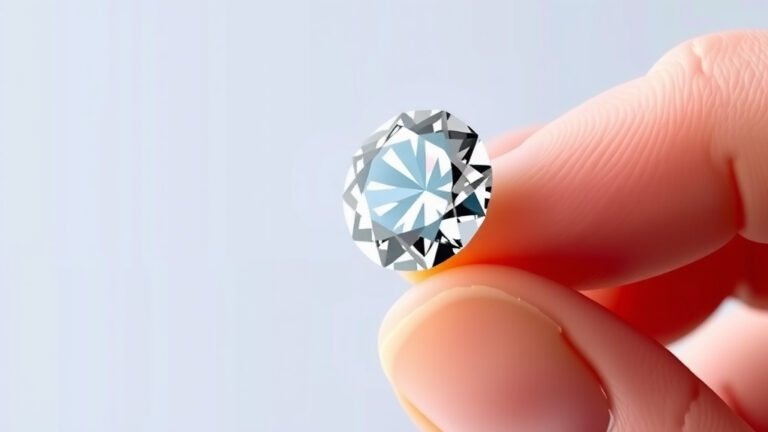
It’s a standard unit of measurement used worldwide for gemstones. One carat is precisely defined as 0.2 grams. So, if you have a 1-carat diamond, it weighs exactly 0.2 grams. A 5-carat diamond would weigh 1 gram. It’s a straightforward way to quantify a diamond’s size.
The 4 Cs: Where Carat Weight Fits In
Carat weight is one of the famous “4 Cs” of diamonds. You’ve probably heard of them: cut, color, clarity, and carat weight. These four factors together determine a diamond’s beauty and, naturally, its price. Each C plays its own role in how a diamond looks and feels to you.
Carat Weight vs. Visual Size: What’s the Difference?
This is where things can get a little tricky, and it’s important to understand. Carat weight measures the diamond’s actual mass. But how big a diamond appears to be isn’t solely determined by its weight. Other factors, like its cut and shape, have a huge impact.
For example, a diamond with a shallower cut might look larger than a diamond of the same carat weight with a deeper cut. Similarly, certain shapes, like a marquise or oval cut, can appear larger than a round brilliant cut of the same carat weight. This is because their longer dimensions spread out the light and give the illusion of more surface area.
How Carat Weight Affects Price
Generally, the higher the carat weight, the higher the price. This isn’t just a random rule; it’s driven by rarity. Larger diamonds are much harder to find in nature than smaller ones. When you double the carat weight, the price doesn’t just double. It often more than doubles!
This is because the scarcity increases dramatically. Imagine finding gold nuggets; tiny flakes are common, but a huge, perfect nugget is incredibly rare. Diamonds follow a similar principle. The demand for larger stones is high, and the supply is limited, driving up their cost per carat.
Navigating Carat Weight and Diamond Appearance
The “Perceived Size” Factor
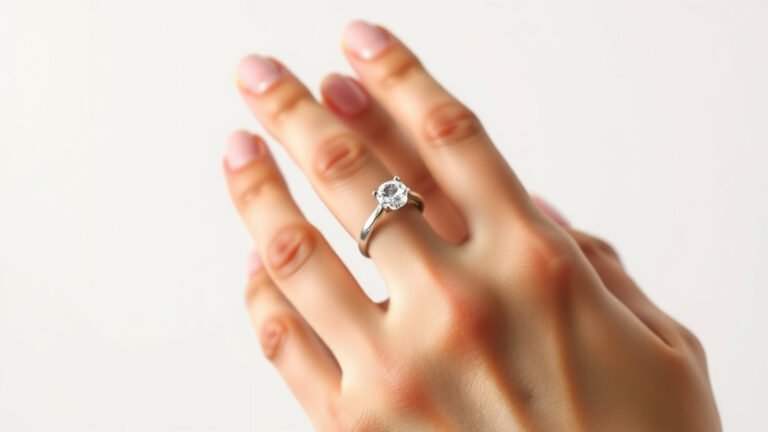
When you’re shopping, you’re often thinking about how big the diamond will look on your finger or in your setting. You might have a specific visual size in mind. It’s helpful to know that a 1-carat diamond and a 1.2-carat diamond might look very similar in size to the untrained eye.
However, that 0.2-carat difference could represent a significant price jump. Understanding this trade-off between perceived size and actual weight is key to making a smart purchase that fits your budget and your aesthetic preferences. Many jewelers can show you side-by-side comparisons.
Understanding Carat Divides
You’ll often hear about “magic sizes” or “carat divides.” These are popular whole and half-carat weights that buyers often aim for. Think of sizes like 1.00 ct, 1.50 ct, or 2.00 ct. Diamonds just under these points, like 0.90 ct or 1.45 ct, are often priced more affordably than their slightly larger counterparts.
Why? Because many buyers specifically request stones at or above these magic numbers. A 0.95-carat diamond might look virtually identical to a 1.00-carat diamond but cost considerably less. This can be a great way to get more sparkle for your buck.
Common Carat Weights and What to Expect
Let’s look at some common carat weights and what they generally mean for you. Keep in mind these are for well-cut diamonds, and other factors like clarity and color can influence appearance.
| Carat Weight | Approximate Diameter (Round Brilliant) | General Appearance Note |
|---|---|---|
| 0.50 ct | ~5.0 mm | A nice, noticeable size for everyday wear. |
| 0.75 ct | ~5.8 mm | A popular size that offers good presence. |
| 1.00 ct | ~6.4 mm | Often considered a significant milestone size. |
| 1.50 ct | ~7.4 mm | A larger, more substantial look. |
| 2.00 ct | ~8.1 mm | A very impressive, eye-catching size. |
(Note: These diameters are approximate and can vary based on the diamond’s cut precision and shape.)
The Impact of Diamond Shape on Size Perception
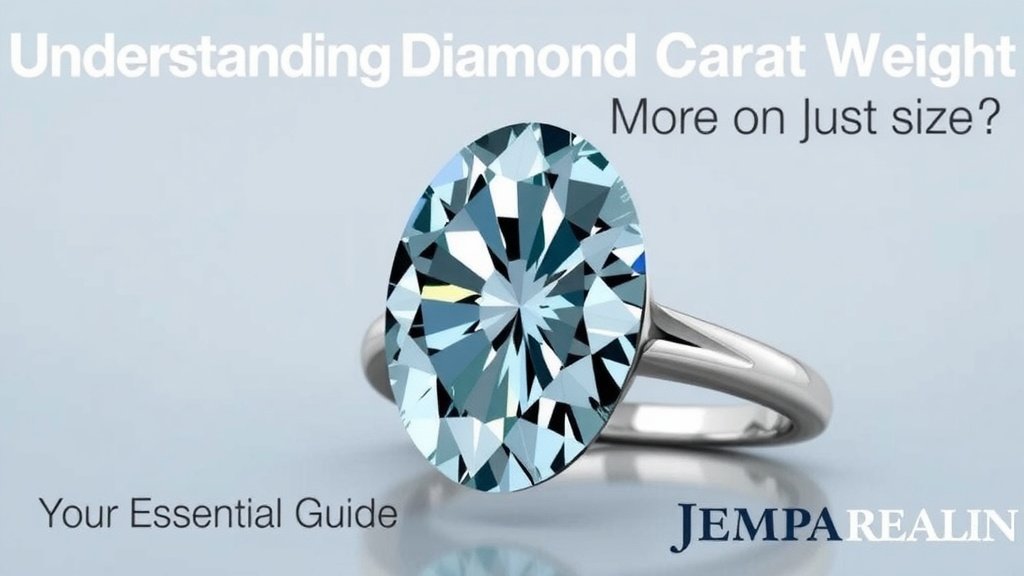
We touched on this earlier, but it’s worth reiterating. The shape of a diamond can dramatically affect how large it appears for its carat weight. Oval, pear, and marquise shapes tend to elongate and can look bigger than a round or princess cut of the same weight. This is because their surface area is distributed differently.
For instance, a 1-carat oval diamond often has a longer measurement than a 1-carat round diamond, making it appear larger. If maximizing visible size is your goal, explore shapes that spread their weight across a wider surface. Research shows that elongated shapes can offer a greater “face-up” area (the part you see when wearing it) for the same carat weight (GIA).
Tips for Choosing Your Carat Weight
When you’re deciding on the carat weight, consider these points:
- Your Budget: This is usually the primary driver. Set a realistic budget first.
- Desired Visual Size: Do you want something subtle or a showstopper?
- Diamond Shape: Certain shapes appear larger for their weight.
- Setting Style: A halo setting can make a center stone look bigger. The setting style can make a center stone look bigger, influencing how the carat weight is perceived.
- Other 3 Cs: Don’t sacrifice cut quality for a slightly larger carat weight.
Remember, a diamond’s beauty isn’t solely defined by its carat weight. A well-cut diamond of slightly lower carat weight can often be more breathtaking than a poorly cut larger stone.
Carat Weight: A Key Piece of the Puzzle
Understanding carat weight empowers you. It’s not just about getting the biggest diamond you can afford. It’s about balancing size with beauty, rarity, and overall value. By knowing how carat weight influences appearance and price, you can make a more informed and satisfying choice for your perfect diamond.
Conclusion
You’ve learned that a diamond’s carat weight is its official measure of mass, not its visual size. While weight is a primary driver of price due to rarity, factors like diamond shape and cut significantly impact how large it appears. Remember that chasing the highest carat weight isn’t always the smartest move. You can often find stunning diamonds by considering carat “divides” or exploring shapes that maximize perceived size. Your next step should be to visit a jeweler with this knowledge, so you can compare diamonds side-by-side and make a choice that perfectly balances your budget, your aesthetic preferences, and the diamond’s overall beauty.
Frequently Asked Questions
Does carat weight affect how much a diamond sparkles?
Carat weight itself doesn’t directly determine sparkle. Sparkle, or brilliance, is primarily influenced by the diamond’s cut quality. A well-cut diamond, regardless of its carat weight, will reflect light better. However, a larger carat weight means more surface area for light to interact with, so a larger, well-cut diamond can indeed appear more brilliant.
Can two diamonds with the same carat weight look different in size?
Absolutely. While carat weight is a precise measurement of mass, the perceived size of a diamond can vary. This is mainly due to its shape and how well it’s cut. For instance, an oval or marquise shape can appear larger than a round brilliant of the same carat weight because its dimensions are more elongated.
Why are diamonds over 1 carat so much more expensive?
Larger diamonds are rarer in nature than smaller ones. The process of finding and mining diamonds that reach higher carat weights is significantly more challenging. This increased rarity, combined with high demand, drives up the price per carat exponentially as you move past certain thresholds, like the 1-carat mark.
What are “carat divides” or “magic sizes” in diamonds?
Carat divides, often called “magic sizes,” refer to popular whole and half-carat weights like 1.00 ct, 1.50 ct, or 2.00 ct. Diamonds just below these weights (e.g., 0.95 ct instead of 1.00 ct) are often priced much lower, even though they might look nearly identical to the naked eye. This is a smart strategy for buyers looking to maximize value.
Is a higher carat weight always better?
Not necessarily. While carat weight is important, it’s just one of the 4 Cs. A diamond with a slightly lower carat weight but a superior cut, color, and clarity can be far more beautiful and valuable than a larger diamond with poor qualities. Always consider the overall balance of all the Cs when choosing your diamond.