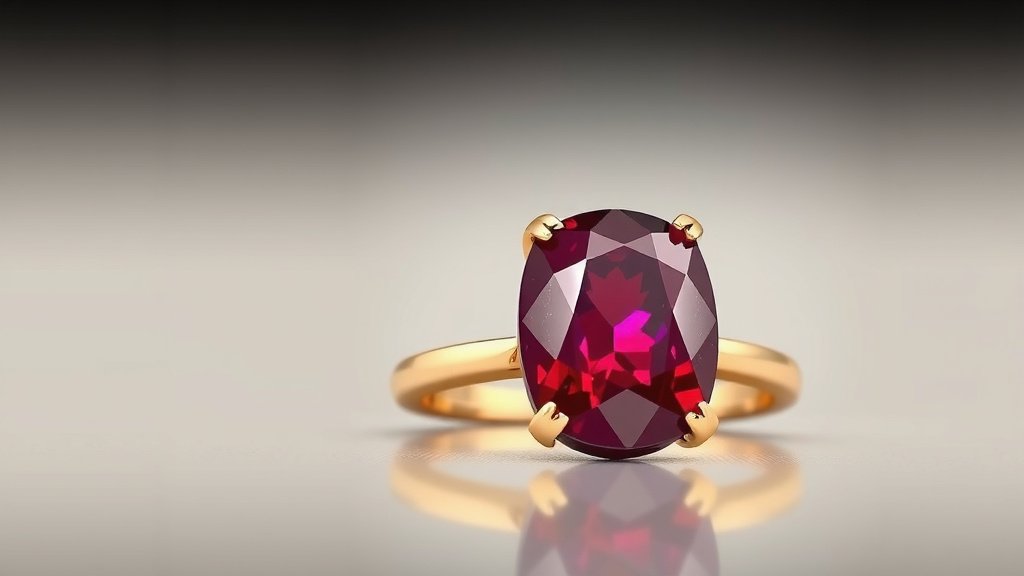
Ruby Ring Value: What Determines Worth and Pricing Guide
A ruby ring is worth anywhere from $100 to over $100,000. Most rings sold today land between $500 and $5,000, depending on the ruby’s quality. So why such a huge range? Because a ruby’s color, size, and origin can swing the price wildly.
We dug into what gem appraisers and jewelers look for, and we found that a few factors matter most. Things like the four Cs (cut, color, clarity, and carat), whether the stone is natural or lab-grown, and even where it came from. A natural, untreated ruby from Myanmar? That can cost more than a diamond.
Here’s the quick version before we get into the details:
- Most ruby rings sell for $500 to $5,000.
- Vivid red, untreated rubies command the highest prices.
- Lab-grown rubies look great but cost far less.
- Setting, metal, and brand also affect the final price.
- Getting an appraisal is the best way to know your ring’s true worth.
Below, we break down everything that affects a ruby ring’s value, step by step. By the end, you’ll know exactly what yours might be worth.
What Determines the Price of a Ruby Ring
The short answer: quality drives price. Two rings that look similar online can differ by thousands of dollars. We found that appraisers focus on a handful of things, and once you know them, you can guess a ring’s value yourself.
Think of it like buying a used car. Mileage, brand, and condition matter more than the shiny paint. Ruby rings work the same way.
The Four Cs, Explained Simply
You’ve probably heard of the four Cs from diamond shopping. They apply to rubies too, but with a twist.
Color Comes First
For rubies, color rules everything. The best shade is a vivid, slightly purplish red that jewelers call “pigeon’s blood.” If the stone looks brownish or too dark, the price drops fast. We found that color alone can change a ruby’s price by 50% or more.
Cut, Clarity, and Carat Weight
Cut affects how the stone sparkles. A sloppy cut makes even a great ruby look dull. Clarity matters less for rubies than diamonds, since almost all natural rubies have some tiny flaws inside. Carat is simple math: bigger stones cost much more per carat. A three-carat ruby can cost four to five times more than a one-carat stone of the same quality. Our guide to what carat means in a ring explains the weight-versus-size math in detail.
Natural vs. Lab-Grown Rubies
Here’s where budgets get breathing room. Lab-grown rubies are real rubies, chemically identical to mined ones. They’re grown in a lab instead of pulled from the earth. Many experts say lab-grown stones cost 70% to 90% less than natural ones.
If someone tells you a lab ruby “isn’t real,” that’s like saying an ice cube from your freezer isn’t real ice. Same stuff, different origin.
Where the Ruby Was Mined
Origin matters more than most people expect. Rubies from Myanmar (Burma) are famous for rich color and fetch the highest prices. Stones from Thailand, Mozambique, and Madagascar are more common and more affordable.
A word of caution: some sellers exaggerate origin claims. The Gemological Institute of America (GIA) can verify where a ruby came from with lab testing.
Treatment and How It Changes Value
Most rubies on the market have been heat-treated. This is a normal, accepted practice that improves color and clarity. It’s like baking bread, the heat brings out the best in what’s already there.
Untreated rubies with great color are rare. Very rare. We found they can cost several times more than identical-looking heated stones. If a dealer claims a ruby is unheated, ask for a report from GIA or the American Gemological Laboratories to back it up.
Other treatments, like glass-filling, lower value dramatically. A filled ruby might look pretty but is worth far less and needs gentle care.
Ruby Ring Price Ranges by Quality
Here’s a realistic breakdown we put together based on current market listings and appraiser guidance:
| Ruby Type | Typical Ring Price |
|---|---|
| Lab-grown, 1 carat | $100 – $800 |
| Natural, heated, 1 carat | $500 – $3,000 |
| Natural, fine heated, 2 carats | $3,000 – $10,000 |
| Natural, untreated, top color | $10,000 – $100,000+ |
These are ballpark figures, not guarantees. Market demand shifts, and exceptional stones always command more.
The Setting, Metal, and Brand Also Count
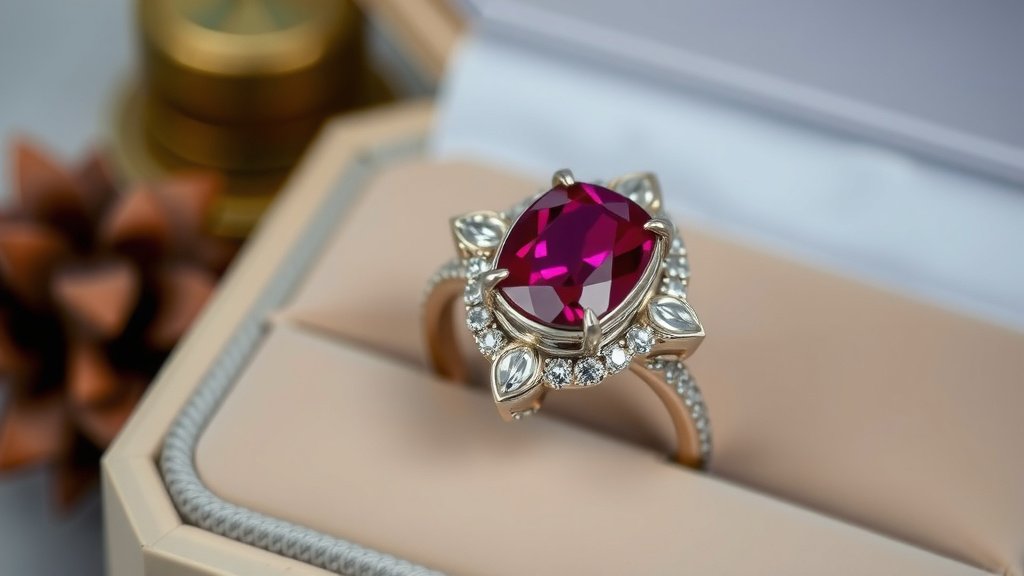
The ruby isn’t the whole story. A 14k or 18k gold setting adds $200 to $1,000 depending on weight. Platinum settings cost more. Small accent diamonds add value too.
Brand names matter as well. A ruby ring from a famous designer house can cost two or three times more than the same look from an independent jeweler. You’re paying partly for the name, like buying designer jeans.
How to Check What Your Ruby Ring Is Worth
Maybe you inherited a ring, or you’re eyeing one at an estate sale. Either way, here’s a simple checklist to get started:
- Look for a stamp inside the band (like 14k or 18k) to identify the metal.
- Check for loose stones, chips, or visible glue, signs of cheap work.
- Ask if any paperwork exists, like a certificate or old receipt.
- Note the ruby’s size and color in daylight, not under store lights.
- Compare similar rings on trusted marketplaces for a rough baseline.
- Get a professional appraisal before buying, selling, or insuring.
When to Get a Professional Appraisal
If the ring might be worth more than a few hundred dollars, an appraisal pays for itself. Most appraisers charge $50 to $150 per item. Look for someone certified by a group like the American Society of Appraisers or the National Association of Jewelry Appraisers.
Make sure the appraiser doesn’t also sell jewelry. An independent opinion keeps things honest, and many experts say that’s the safest route.
Getting Insurance for a Valuable Ring
Once you have a written appraisal, add the ring to your homeowner’s or renter’s policy as a scheduled item. Standard policies often cap jewelry coverage low, so a separate rider protects you fully if the ring is lost or stolen.
Buying Smart: Tips Before You Spend
Ready to shop? A little homework saves real money. We found that most overpaying happens when buyers skip three basics:
First, always ask for a certificate from GIA or a similar lab for stones over one carat. Second, compare at least three sellers before committing; prices for the same quality can vary wildly. Third, buy the ruby, not the story. A seller’s dramatic tale about a Burmese mine means nothing without paperwork.
And trust your eyes. If a deal looks too good next to comparable rings, it usually is. Rubies hold their appeal because they’re genuinely scarce, so deep discounts deserve a raised eyebrow.
Conclusion
So, how much is a ruby ring worth? Anywhere from a couple hundred dollars to six figures, and it all comes down to the stone. Color, carat size, origin, and whether the ruby is natural or lab-grown do most of the heavy lifting. Heat treatment, the setting, and even the brand name nudge the price up or down too.
The good news? You don’t have to guess. Do your homework, compare a few sellers, and ask for lab paperwork on anything over one carat. And if you own a ruby ring already, get an independent appraisal before you sell or insure it. That $50 to $150 report could save you from leaving thousands on the table.
Frequently Asked Questions
Do ruby rings hold their value over time?
High-quality natural rubies tend to hold value well, and top-grade untreated stones have even risen in price over the years. Lab-grown rubies and heavily treated stones, on the other hand, usually resell for much less than you paid. Condition and paperwork make a big difference at resale time. Planning to sell? Our step-by-step guide to selling a ring covers pricing, platforms, and safe transactions.
Is a ruby ring more expensive than a diamond ring?
For average stones, diamonds usually cost more per carat. But a rare, untreated pigeon’s-blood ruby can outprice a diamond of the same size by a wide margin. Quality level matters more than the gem type itself.
How can I tell if my ruby is real without a jeweler?
You can try a few simple checks at home. Real rubies feel cool to the touch and warm up slowly, and they often show tiny natural flaws under a flashlight. But these tricks aren’t foolproof, so we recommend a lab test or professional appraisal for anything important.
What is the most expensive ruby ring ever sold?
Auction records show fine rubies fetching tens of millions of dollars at top sales. The Hope Ruby and the Sunrise Ruby each sold for over $25 million. These are exceptional museum-quality stones, far beyond what everyday buyers will encounter.
Are dark red rubies worth less than bright red ones?
Often, yes. Rubies that look brownish or overly dark sell for less because vivid red is what collectors pay for. That said, a rich deep red with good transparency can still command strong prices. Lighting matters too, so always judge color in natural daylight.