How to Choose a Ring for an Active Lifestyle: 8 Key Tips
The best ring for an active lifestyle is one with a low-profile design, a durable metal like titanium or platinum, and a secure, bezel-set stone if it has one at all. That combination keeps your ring from snagging, bending, or losing stones while you work out, garden, or chase kids around the house.
Why does this matter so much? We researched common ring damage and found that most problems come from everyday habits, not freak accidents. Things like lifting weights, washing dishes, or even typing can slowly wear down a ring that wasn’t built for constant movement. Many experts say the right metal and setting make all the difference.
Here’s the short version:
- Choose a durable metal like titanium, platinum, or 14k gold.
- Pick a low, smooth setting so nothing catches or snags.
- Go for a bezel setting instead of prongs to protect the stone.
- Consider a slimmer band, which is easier to wear and harder to damage.
- Know when to take it off, like at the gym or in the pool.
Below, we break down everything you need to know about picking a ring that can keep up with you, step by step. Let’s find you a ring that lives your life right alongside you.
Picking a Ring That Fits an Active Lifestyle
The right ring for your busy life comes down to three things: metal choice, profile height, and setting style. Get those right, and you can wear your ring almost anywhere without worry. Get them wrong, and you’ll end up babying a band that should be working as hard as you do.
Let’s walk through each piece, one at a time.
Best Metals for Rings That Take a Beating
Your metal choice matters more than anything else. We found that metal decides whether your ring bends, scratches, or stays solid through years of daily use. Softer metals dent when you grip a dumbbell. Harder metals can crack under extreme force. Each option has trade-offs.
Titanium and Tungsten: The Tough Guys
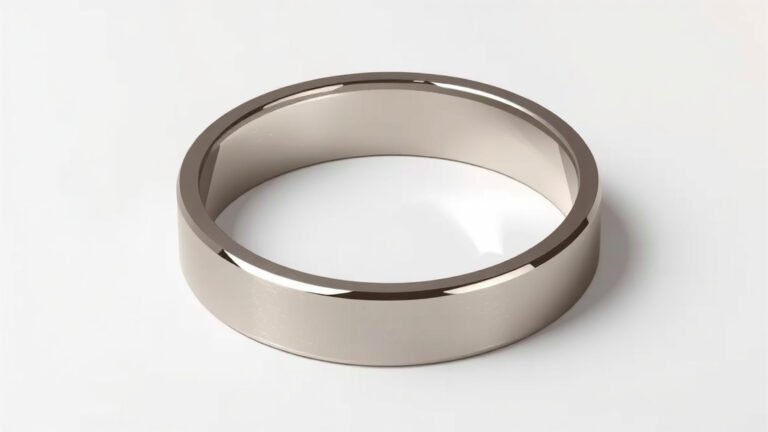
Titanium is light, strong, and hypoallergenic. It shrugs off scratches better than most metals and barely weighs anything on your finger. Tungsten is even harder, though it can crack if you slam it hard enough. Both are budget-friendly, which makes them great first picks.
Platinum and Gold: The Classic Choices
Platinum is dense and extremely durable. It scratches, but it bends instead of losing metal, so jewelers can often restore it. Gold is softer, so many experts recommend 14k or lower for daily wear. Higher karats look rich but scratch easily.
Quick Metal Comparison
| Metal | Durability | Weight | Best For |
|---|---|---|---|
| Titanium | Very high | Feather-light | Gym-goers, outdoor work |
| Tungsten | Extremely hard | Heavy | Scratch resistance on a budget |
| Platinum | High | Heavy | Heirloom-quality daily wear |
| 14k Gold | Moderate | Light | Classic look with decent strength |
| Silicone | Flexible | Barely there | Sports, lifting, water activities |
Why Ring Profile Matters So Much
Profile is just a fancy word for how tall your ring sits off your finger. Low-profile rings sit flush against your skin. High-profile rings stick up and catch on everything. Think of it like a car: low to the ground means fewer things snag you.
We found that snagging is one of the most common complaints among active ring wearers. A low, smooth, domed band solves most of it. Rounded edges also feel better when you grip tools, bars, or bike handlebars.
Band Width and Thickness
Thinner bands (2 to 4 millimeters) are easier to wear and harder to catch on things. Wide bands look bold, but they can pinch when you bend your fingers. If you type, lift, or garden all day, go slim and rounded.
Settings That Protect Your Stone
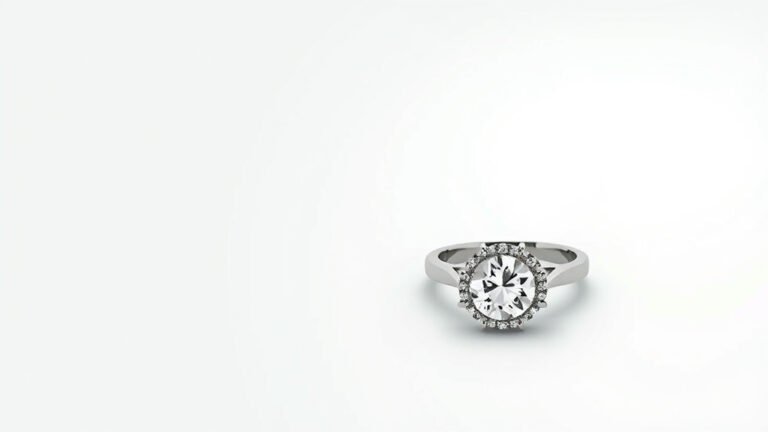
If your ring has a stone, the setting is its bodyguard. Prongs look pretty, but they stick up and bend. A bezel wraps the stone in metal, so nothing can catch on it. Many jewelers recommend bezel settings for anyone with a hands-on job or hobby.
Bezel vs. Prong: The Real Difference
A bezel holds the stone edge with a metal rim, like a picture frame. A prong grips it with tiny claws, like a claw machine. Prongs win on sparkle. Bezels win on survival. For daily pounding at the gym or in the yard, bezels win hands down.
Channel and Flush Settings
Channel settings tuck small stones into a groove between metal walls. Flush settings sit stones level with the band itself. Both keep surfaces smooth and snag-free. They work great for people who want some sparkle without the risk.
When You Should Take Your Ring Off
No ring is invincible, no matter what it’s made of. There are moments when removal is the smartest move. Many safety guidelines warn about wearing rings around machinery, and hospital researchers have documented how rings can trap bacteria on hands (Cleveland Clinic).
Take it off when you’re doing any of the following:
- Lifting weights, where heavy grip pressure can bend a band.
- Swimming, since cold water shrinks your fingers and rings slip off.
- Using power tools, where a caught ring can cause serious injury.
- Gardening, where dirt and grime work their way into settings.
- Applying lotions or cleaning products, which build up residue.
Keep a small dish by the sink or your gym bag. A ring that has a designated home is far less likely to get lost. Losing a ring down a drain or gym vent is a pain nobody needs.

Silicone Rings: Worth Considering?
Silicone rings have become popular with athletes, mechanics, and new parents. They cost a fraction of metal rings, and they’re designed to break away under extreme pressure. That safety feature matters in jobs where a caught metal ring can injure a finger.
They won’t replace your main ring forever. Silicone stretches, fades, and wears out over time. But as a workout companion or travel stand-in, many people find them hard to beat.
Getting the Right Fit for Daily Movement
Your fingers change size during the day. They swell in heat, shrink in cold, and puff up after salty meals or workouts. We found that midday sizing gives most people the most accurate fit. A ring should slide over your knuckle with slight resistance but feel snug at the base.
Comfort-Fit Bands
Comfort-fit bands have a rounded inner edge instead of a flat one. That curve lets the ring slide on easier and feel better during all-day wear. If you’ve never loved how rings feel, this small design change can be a big deal.
Your Quick Ring-Choice Checklist
Here’s a simple checklist to run through before you buy:
- ✅ Pick a durable metal like titanium, platinum, or 14k gold.
- ✅ Choose a low-profile, domed band with smooth edges.
- ✅ Select a bezel or flush setting if the ring has a stone.
- ✅ Keep the band slim, around 2 to 4 millimeters wide.
- ✅ Confirm a snug midday fit at the base of your finger.
- ✅ Buy a silicone backup for the gym, pool, and messy jobs.
Caring for a Ring That Works Hard
Even tough rings need a little attention. Warm water, mild dish soap, and a soft toothbrush handle most cleaning. Skip harsh chemicals like chlorine and bleach, which can weaken some metals over time.
Many jewelers recommend a yearly check-up for stone settings, especially bezels and channels. It’s quick, usually cheap, and catches loose stones before they disappear. Think of it like an oil change for your finger.
One last tip: check your ring after big activities. A quick visual once-over for dents, loose stones, or scratches keeps small problems from becoming big ones. Your ring works hard for you. A few minutes of care keeps it working right back.
Conclusion
Finding a ring that keeps up with your life isn’t complicated once you know what to look for. A durable metal, a low-profile band, and a protective bezel setting will handle almost everything you throw at them. Pair that with a snug midday fit and a silicone backup for the gym, and you’ve covered the rest. We found that most ring damage comes down to small, avoidable habits, so a little awareness goes a long way. Your ring should work as hard as you do, not sit in a drawer waiting for safe days. Start with one change: run the checklist above before your next purchase, and pick the ring you’ll never have to baby.
Frequently Asked Questions
Can I wear my engagement ring at the gym?
We recommend leaving it in your bag or locker. Heavy gripping can bend bands and loosen stones over time. A silicone ring gives you the feeling of wearing one without the risk.
Will tungsten rings shatter if I drop them?
They can crack under a sharp, hard impact because tungsten is brittle despite its hardness. Titanium bends instead of breaking, which makes it the safer pick for rough daily use. Neither metal is easy to damage in normal wear, though.
Do silicone rings stretch out over time?
Yes, most do eventually, especially with daily exposure to heat, sweat, and sunscreen. The good news is they’re inexpensive, so replacing one every year or two is no big deal. Rotate between a couple if you wear yours constantly.
Is it okay to resize a ring after buying it?
Most gold and platinum rings can be resized by a jeweler. Tungsten and titanium usually cannot, because they’re too hard to alter safely. That’s why getting the right size up front matters so much with those metals.
How do I know if my ring setting is getting loose?
Listen for a faint rattle when you gently tap the stone, or check if it spins in its setting. Catching your ring on things more often is another warning sign. If you notice either, stop in for a professional check before the stone goes missing.