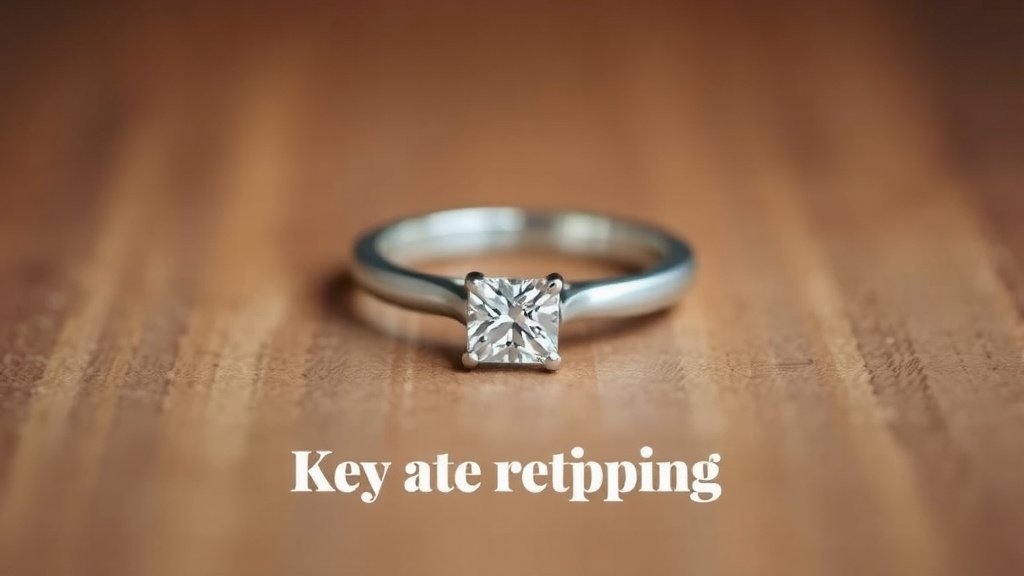
When Do Ring Prongs Need Retipping? Key Warning Signs
Your ring prongs need retipping as soon as you notice flattened, worn, or broken tips—usually every 5 to 10 years for a ring you wear daily. Thin prongs may need attention even sooner, sometimes after just 2 to 3 years. Catching it early is what keeps your stone secure.
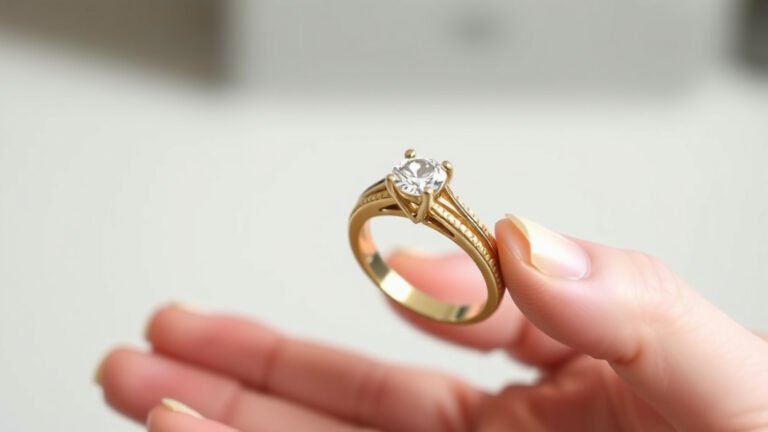
Prongs are the small metal claws holding your diamond or gemstone in place. Over time, everyday wear grinds them down until they can no longer grip your stone properly. We found that many jewelers recommend a quick prong check at least once a year, since loose stones are one of the most common reasons people lose a gem without ever noticing. And nobody wants that heartbreak.
- Prongs usually need retipping every 5 to 10 years with daily wear.
- Warning signs include thin, flat, or missing prong tips and a rattling stone.
- Catching it early can cost under $100; waiting too long can mean losing your gem.
- Thin bands and rings worn every day wear down faster.
- A yearly inspection at your local jeweler is the easiest way to stay safe.
Below, we break down everything you need to know about when to retip your prongs, what the warning signs look like, and what the repair typically costs.
Signs Your Ring Prongs Are Wearing Out
Worn prongs show up as flat, thin, or shiny-smooth tips that have lost their shape. A brand-new prong has a rounded bump on top that grips your stone. When that bump disappears, the grip is going with it.
We found that jewelers often compare prong tips to the treads on a tire. Once the tread is gone, you’re riding on slick rubber. It works—until it suddenly doesn’t.
- Tips look flat, square, or noticeably thinner than the others.
- The stone wiggles, clicks, or rattles when you tap the ring.
- You catch clothing, hair, or gloves on a prong.
- The metal looks shiny and worn at the very tip.
- Your stone sits lower or looks tilted in its setting.
Run your fingernail over each prong tip. If it glides over smooth metal instead of catching a small bump, that’s your clue.
How Long Prongs Last With Everyday Wear
Most rings worn daily need retipping somewhere between 5 and 10 years. That’s the range we found repeated most often by jewelers and repair guides. But it’s a ballpark, not a promise.
Your mileage depends on how you live. Someone who gardens, lifts weights, and washes dishes by hand will wear prongs down much faster than someone who takes their ring off for chores.
Factors That Speed Up Prong Wear
Several things grind prongs down faster than normal. We found these are the usual suspects:
- Thin prongs — delicate settings look lovely but have less metal to spare.
- Hard daily activities — gym sessions, yard work, cleaning with chemicals.
- Soft metals — 14k and 18k gold wear down faster than platinum.
- Accidental knocks — dropping a ring on a hard floor can chip a prong instantly.
Platinum prongs tend to last longer because the metal is denser. Gold is softer, so it wears away a bit every single day, even if you never notice a thing.
Why Yearly Checks Catch Problems Early
Here’s the catch: prong wear is sneaky. It happens slowly, a microscopic shave at a time, so your eye adjusts and you never see the change. That’s why a yearly trip to your jeweler matters.
Many jewelers offer free inspections and will check your prongs under magnification in just a few minutes. We found that most recommend this once a year, or every six months if your ring gets heavy use. Think of it like a dental cleaning—boring, quick, and it saves you from something much worse later.
What Happens During a Retipping Repair
Retipping is exactly what it sounds like. Your jeweler adds fresh metal to the worn tips, rebuilding them so they grip your stone again. It’s done with a small torch and matching solder.
The stone stays in place for the repair in most cases. If a prong is already broken, the jeweler may lift the stone out first, retip, then reset and tighten everything. Either way, it’s a routine job—most jewelers do several every week.
Retipping vs. Replacing Prongs
If the prong still has decent metal below the tip, retipping is all you need. If the prong is cracked, split, or worn down to a nub, it usually needs a full replacement. Replacing costs more because the jeweler has to remove the stone, remove the old prong, and build a new one from scratch.
The sooner you bring the ring in, the more likely a simple retip will do the job. Waiting turns a small fix into a bigger one.
What Retipping Costs and How Long It Takes
Most retipping jobs run somewhere between $25 and $75 per prong, with a typical total of $80 to $150 for a full job. We found prices vary quite a bit by region and by how many prongs need work.
| Repair Type | Typical Cost | Turnaround |
|---|---|---|
| Retip 1–2 prongs | $40–$100 | 1–3 days |
| Retip all prongs | $80–$150 | 3–7 days |
| Full prong replacement | $150–$300+ | 1–2 weeks |
| Loose stone tightening (no retip) | $20–$50 | Same day–1 day |
Compare that to the price of replacing a lost diamond, and the math gets pretty one-sided. A retip is cheap insurance. Our guide to what a one-carat diamond is worth shows just how much a lost stone can cost you.

Quick Prong Care Checklist
Want to keep your stone safe without becoming a jewelry expert? This short checklist covers it:
- Check prong tips monthly with your fingernail or a magnifying glass.
- Listen for clicks — gently tap the ring near your ear and listen for movement.
- Take rings off for the gym, gardening, dishes, and swimming pools.
- Skip overnight wear so prongs get a break from tossing and turning.
- Get a yearly inspection at a jeweler with a jeweler’s loupe or microscope.
- Bring the ring in immediately if you hear rattling or spot a missing tip.
When to Stop Wearing a Ring With Worn Prongs
Some situations call for parking the ring until it’s repaired. If a prong is visibly broken or missing, stop wearing it today. One prong holding a four-prong stone is a coin flip you don’t want to take.
Also stop if the stone rattles, spins, or looks tilted. We found that a loose stone can work its way free from even a well-made setting in a single day of wear. Keep the ring somewhere padded and safe, like a soft pouch, until the repair is done.
And here’s the honest part: a rattling stone can sometimes be fixed by a simple tightening instead of a retip. Your jeweler can tell the difference in under a minute, so don’t panic—just bring it in.
Can You Check Prongs at Home?
You can, and you should. You don’t need fancy tools for a basic check. Grab a magnifying glass or use your phone’s camera zoomed in on the tips.
Look for the telltale signs we covered earlier: flat tops, thin metal, snagging, or a stone that doesn’t sit level. If anything looks off, snap a photo and show it to a jeweler. Many will give you a quick honest opinion for free, and some will even check the ring while you wait.
One friendly tip: don’t try to bend or “fix” a prong yourself with pliers. Home repairs on fine jewelry almost always end in a chipped stone or a snapped prong. Trust us—the jeweler’s bench is where repairs belong. If you’re weighing home fixes, our guide to DIY ring repair explains when a jeweler is the safer choice.
Conclusion
Your prongs are the only thing standing between your stone and the floor, and they wear down quietly over the years. A quick monthly fingernail check and a yearly jeweler inspection catch worn tips before they turn into lost gems. If your ring is a daily wear piece, expect a retip somewhere around the 5 to 10 year mark—and sooner if the prongs look thin or flat. The repair usually costs less than a dinner out, which is a small price compared to replacing a diamond. So here’s your next step: flip your ring over tonight, run a fingernail across each tip, and if anything feels smooth or flat, call your jeweler this week. Your stone will thank you.
Frequently Asked Questions
Can a jeweler retip prongs without removing the stone?
Often, yes. If the prongs are worn but still intact, most jewelers can rebuild the tips with the stone sitting in place. They’ll only lift the stone out if a prong is broken or the repair needs a full replacement.
Is retipping covered by jewelry insurance or a warranty?
It depends on your plan. Many jewelry care plans and some homeowners insurance riders cover routine maintenance like retipping, but standard warranties often cover only manufacturing defects. Check your paperwork or call your insurer before paying out of pocket.
How many times can a prong be retipped?
Most prongs can be retipped two or three times before the metal base gets too bulky or weak. After that, your jeweler will usually recommend replacing the prong entirely. Each retip adds fresh solder, so there’s a practical limit.
Do lab-grown diamonds or softer stones like emeralds need retipping more often?
Softer stones like emeralds, opals, and turquoise are more fragile, so their settings often use protective designs that need gentler, more frequent care. Lab-grown diamonds are just as hard as natural ones, so their prong wear follows the same timeline as any diamond ring.
Should I retip all prongs at once or just the worn ones?
If two or more prongs on the same setting are worn, retipping them together is usually the smart move. They’ve all taken the same daily beating, so the others are likely close behind. Doing them in one visit saves you a second repair fee later.