Which Diamond Shape Is Cheapest? A 2026 Price Guide
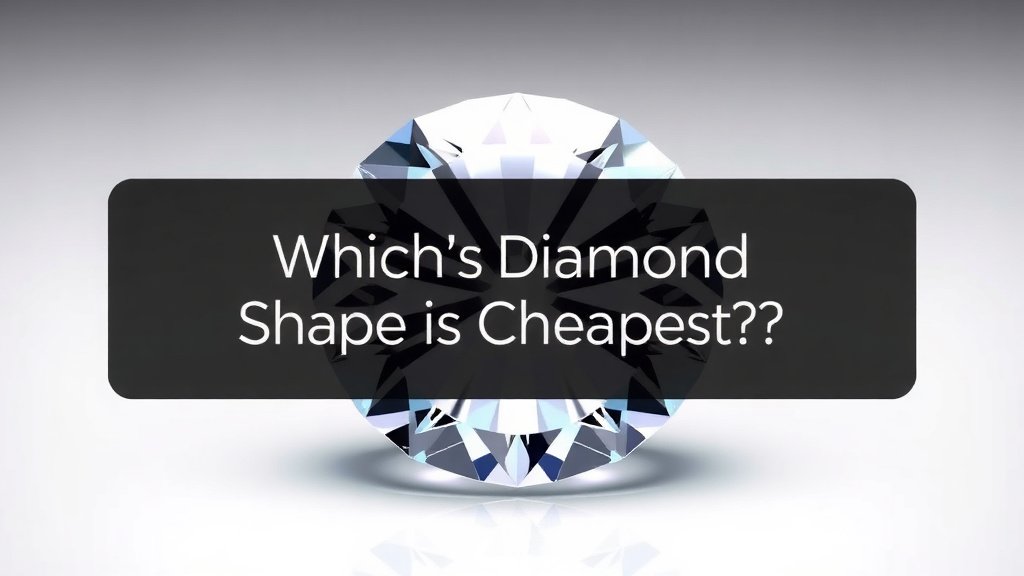
The cheapest diamond shape is typically the round brilliant’s less famous cousin: the pear shape. Fancy shapes like pear, oval, and cushion cut diamonds usually cost 20 to 30 percent less than round diamonds of the same quality. Why? Rounds waste more of the rough stone during cutting, and that waste gets passed on to your wallet.
Here’s the thing: the shape you pick can save you hundreds, sometimes thousands, of dollars. We researched current diamond prices and found that shape is one of the biggest price factors, right up there with carat weight. So if you’re flexible on shape, you’re already ahead of the game.
- Round diamonds are the most expensive shape, period.
- Pear, oval, and cushion shapes offer the best value for your money.
- Emerald and Asscher cuts can also be budget-friendly picks.
- Some shapes hide flaws better, letting you drop a clarity grade and save more.
- Elongated shapes like oval and pear look bigger per carat, so you get more visual size for less.
Below, we break down exactly which shapes cost the least, why they’re cheaper, and how to pick one without feeling like you settled. Let’s find you a diamond that looks like a splurge but isn’t.
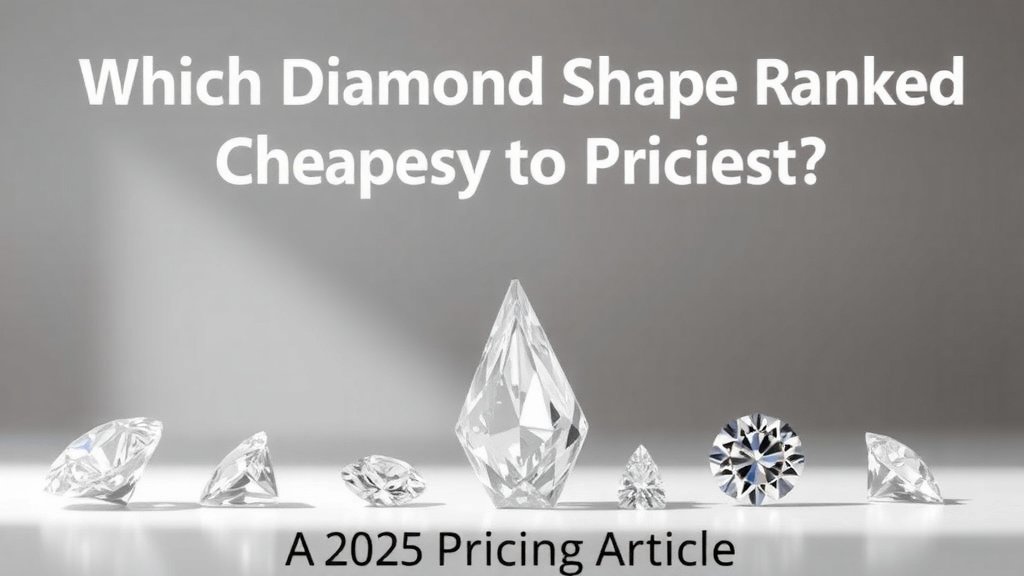
Diamond Shapes Ranked From Cheapest to Priciest
Ready for the good news? You don’t need a lab degree to figure this out. We looked at current pricing patterns across major retailers, and the ranking is pretty consistent.
Here’s the quick version, from least to most expensive per carat:
- Pear – usually the biggest savings
- Oval – close second, super trendy
- Cushion – soft, vintage vibe, lower price
- Emerald – great value, but shows flaws
- Marquise – cheap, but a love-it-or-hate-it look
- Asscher – moderate pricing
- Princess – mid-range
- Radiant – mid-range
- Heart – often pricier than you’d expect
- Round – the most expensive, every time
Why the spread? It comes down to rough diamond waste and demand. Rounds lose up to half the original stone during cutting. Pear and oval shapes keep much more of it. Less waste, less cost to the cutter, less cost to you.
How Much Can You Actually Save by Shape?
Numbers help here. We found that a 1-carat round brilliant often runs noticeably higher than the same carat weight in an oval or pear. Industry pricing data from retailers like Blue Nile and James Allen consistently shows that gap at 20 to 30 percent for fancy shapes.
On a $6,000 round, that could mean $1,200 to $1,800 back in your pocket. That’s a honeymoon dinner. That’s a wedding band upgrade. That’s real money. Those savings can meaningfully reshape your engagement ring budget.
| Shape | Typical Price vs. Round | Best For |
|---|---|---|
| Pear | 20–30% less | Max savings, looks bigger |
| Oval | 20–30% less | Trendy, finger-flattering |
| Cushion | 15–25% less | Vintage sparkle lovers |
| Emerald | 15–25% less | Clean, modern style |
| Round | Highest price | Maximum sparkle |
Why Fancy Shapes Cost Less Than Rounds
Three reasons, and they all connect. Once you understand them, you’ll never overpay for shape again.
Less Rough Wasted During Cutting
A rough diamond is an irregular lump. Round brilliants have to be cut from the roundest part of that lump, so cutters saw away huge amounts of usable diamond. Fancy shapes follow the stone’s natural form. More of the rough survives, and the cutter charges you less.
Lower Demand Means Lower Prices
Rounds still dominate the engagement ring market. Demand drives price. Pear and marquise shapes sell in smaller volumes, so retailers price them to move inventory. You’re basically shopping the clearance rack — except nothing is wrong with the merchandise.
Forgiving Facet Patterns Hide Flaws
Brilliant-cut fancy shapes have many small facets. Those facets scatter light across the stone and can mask inclusions. Step cuts like emerald do the opposite — they’re honest to a fault. We’ll get to that trick in a second.
Smart Ways to Stretch Your Diamond Budget
Shape is just the first lever. Here’s how value hunters stack savings.
Drop Clarity Grades on Brilliant-Cut Shapes
Because fancy brilliants hide inclusions well, you can safely shop SI1 or even SI2 clarity. Many experts say eye-clean stones at these grades look identical to flawless ones without magnification. On an emerald cut, don’t try this — step cuts expose everything. Stick with VS1 or better there.
Go Slightly Under Carat Milestones
Prices jump at magic weights like 1.0 and 1.5 carats. A 0.9-carat oval costs meaningfully less than a 1.0-carat one, and nobody can tell the difference at a dinner table. It’s the sneaky-est savings trick in the business.
Pick Elongated Shapes for More Visual Size
Oval, pear, and marquise stones spread their weight across a longer surface. A 1-carat oval can look 10 to 15 percent larger face-up than a 1-carat round. You get the big-stone look without the big-stone bill.
The Shape-by-Shape Value Checklist
Before you click “add to cart,” run through this quick list:
- Prioritize pear or oval if savings is your number one goal.
- Check the bow-tie effect — ask for videos of ovals and pears before buying.
- Drop to SI1 clarity on brilliant shapes, but stay VS or better on emerald cuts.
- Shop just under the next carat weight to dodge the price jump.
- Compare color tolerance — elongated shapes can show yellow tint more easily, so H or better is safer.
- Request real photos or video, not just certificates, for step-cut stones.
Cheapest Shapes and What to Watch Out For
Cheap is great until it isn’t. A few honest heads-ups.
Pear Shapes
The best value overall, but quality control varies. Watch for a fat shoulder or a lopsided curve. Ask for a face-up video and check symmetry before committing.
Marquise
Often the lowest price per carat of all. The catch? The pointy ends chip more easily, and the shape divides opinions fast. Make sure your partner actually loves it.
Emerald Cuts
They look expensive and cost less than rounds. But the open, hall-of-mirrors style shows every inclusion and every bit of color. Budget for higher clarity and color grades here, or the savings disappear into a cloudy stone.
Should You Just Buy the Round Anyway?
Sometimes, yes. If maximum sparkle is the dream and budget allows, rounds deliver it. Nothing out-brillians a well-cut round brilliant. But if you want the most diamond for your dollars, the data points one way: go fancy shaped.
Think of it this way. A round is the penthouse. A pear is the corner unit two floors down — nearly the same view, way better rent. Most people who switch never look back.
We found that shoppers who flex on shape and hold firm on cut quality end up happiest. Cut drives sparkle more than anything else, and many grading guides agree that cut quality matters most for a stone’s beauty. So buy the cheapest shape, but never buy a badly cut one.
Conclusion
You came here asking which diamond shape is cheapest, and now you know: pear takes the crown, with oval and cushion right behind. The savings come from real things — less rough waste, lower demand, and facet patterns that hide flaws so you can shop lower clarity grades. Stack those wins together and you’re looking at $1,000 or more kept in your pocket on a typical stone. The next step is simple: browse ovals and pears on a reputable retailer’s site today, compare a few against similarly graded rounds, and see the price difference with your own eyes. Pick the shape that makes you smile, insist on great cut quality, and spend the difference on something that lasts even longer.
Frequently Asked Questions
Is a pear or oval diamond cheaper?
Pear shapes usually edge out ovals by a small margin, but the gap between them is tiny — often just a few percentage points. Both typically run 20 to 30 percent below rounds. Choose based on which shape you love wearing more.
Do fancy shaped diamonds sparkle as much as round ones?
Round brilliants are engineered for maximum light return, so they win on pure sparkle. But a well-cut oval, pear, or cushion puts on a gorgeous show too. Cut quality matters far more than shape when it comes to shine.
What is the cheapest diamond shape for a 1-carat stone?
For 1-carat stones, marquise and pear usually carry the lowest price tags per carat. Oval sits right there too. If you’re torn between two budget-friendly shapes, let price per carat break the tie.
Are lab-grown diamonds cheaper than natural ones in fancy shapes?
Yes, and by a wide margin — lab-grown stones often cost 60 to 80 percent less than natural diamonds of the same grade. The same shape rankings apply within each category. Pear and oval lab diamonds give you serious size for very little money.
Does diamond shape affect resale value?
It can. Rounds tend to hold value best because demand stays steady. Trendier shapes may fetch less if tastes shift, but since you paid less upfront, the math often still works in your favor. Buy for love, not resale.