Why Vintage Rings Are More Expensive: 7 Key Reasons
Vintage rings cost more because they’re rare and often handmade, which makes them harder to find than modern rings. Add in higher-quality craftsmanship, age, and collector demand, and the price climbs fast.
Think about it: a ring made 80 years ago has survived decades and still looks stunning. That doesn’t happen by accident. We researched the vintage jewelry market and found that limited supply, unique designs, and sometimes precious materials you rarely see today all push prices up. Ever wonder why your grandma’s ring gets appraised so high? Now you know.
Here’s the quick version before we dig in:
- Vintage rings are one-of-a-kind, so scarcity drives up the price.
- Older rings were often handcrafted, which takes more skill and time.
- Many were made with higher gold content and top-grade gemstones.
- Age, condition, and brand history can add serious value.
- Collector demand keeps the market competitive.
Below, we break down each reason in plain English, so you’ll know exactly what you’re paying for before you shop. Let’s dive in.
What Makes Vintage Rings Cost More Than New Ones?
The short answer: you’re paying for scarcity, craftsmanship, and history all bundled into one little band. When a ring can’t be reordered or remade, the price reflects that. Let’s break down exactly where your money goes.
The Supply Problem Nobody Talks About
Vintage rings aren’t being manufactured anymore. Once a design era ends, it’s over. We found that most dealers can only stock what they buy from estates, auctions, and private sellers.
Think of it like a limited-edition sneaker drop, except the drop happened 80 years ago and nobody’s making a restock. When ten buyers want the same Art Deco ring, guess who wins? The one with the bigger budget.
Handmade vs. Machine-Made
Many older rings were shaped by hand, one at a time. That takes hours of skilled labor. Modern rings are often cast in molds, which is faster and cheaper but less detailed.
Appraisers often point to hand-cut gemstones and hand-engraved details as markers of older work (Gemological Institute of America). You can literally see the difference under a loupe.
The Materials Inside an Old Ring
Here’s something that surprises shoppers: the raw materials alone can justify a big chunk of the price. Gold standards were different decades ago, and some gems were cut from mines that are closed today.
| Feature | Typical Vintage Ring | Typical Modern Ring |
|---|---|---|
| Gold purity | Often 18k or 22k | Commonly 14k |
| Gem cutting | Hand-cut, unique facets | Machine-cut, uniform |
| Design source | One-of-a-kind | Mass-produced |
| Availability | Found, not made | Always in stock |
Why Old Gold Hits Different
A lot of rings from the early 1900s were made with higher gold content. More gold means more melt value before you even count the design or stones.
Old European and Mine-Cut Diamonds
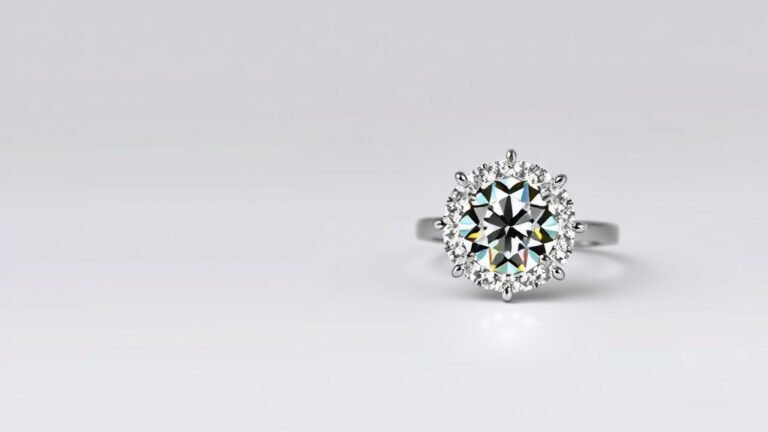
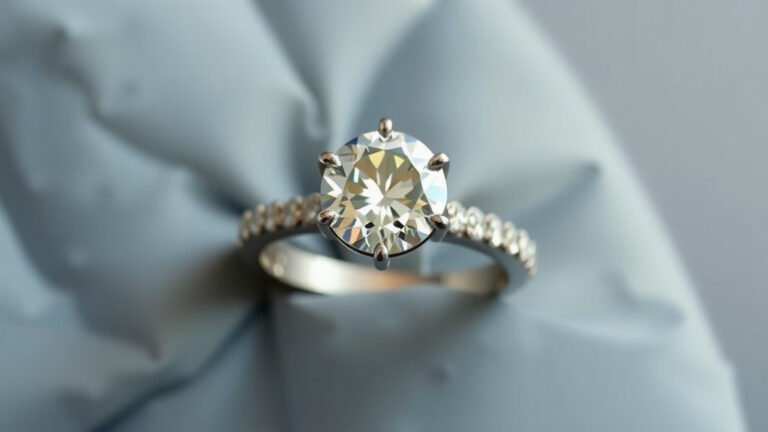
These cuts predate modern precision tools. Each stone reflects light in a softer, warmer way. Collectors hunt for them on purpose, and that demand adds a premium.
Condition, Age, and Provenance
A ring’s story can matter as much as its sparkle. We found that rings with documented history, like original receipts or maker’s marks, often sell for more.
- Condition: An un-worn or well-preserved ring commands top dollar.
- Age: Older eras like Edwardian and Art Deco are highly sought after.
- Provenance: A known maker or famous owner raises the price.
- Original parts: Unaltered rings beat repaired or resized ones.
- Papers: Certificates and appraisals build buyer confidence.
Famous Makers and Designer Names
A signature from a well-known jewelry house can double or triple a price. Why? Because the brand carries a reputation built over a century. You’re buying status plus quality.
How Collectors Shape the Market
Collectors compete with everyday shoppers for the same pieces. When a serious collector wants an era-specific ring, prices across that whole category can creep upward.
It’s the same reason vintage baseball cards cost more than new ones. Popularity plus scarcity equals a pricier hobby for everyone.

Restoration and Care Costs Get Baked In
Many experts say reputable dealers often clean, size, or repair vintage pieces before selling them. That work costs money, and it shows up in the final price tag.
Sounds like a downside? It’s actually a win for you. You get a ring that’s ready to wear, not a fixer-upper.
Buying Vintage Without Overpaying: Your Checklist
Before you fall in love with a ring (and its price), run through this list:
- Ask for the ring’s era and maker in writing.
- Request an independent appraisal, not just the seller’s estimate.
- Check for maker’s marks inside the band.
- Compare prices across at least three dealers.
- Ask what repairs or alterations have been done.
- Get a return policy in writing before you pay.
Is a Vintage Ring Worth the Higher Price?
For most buyers, yes, if the piece speaks to you. You get craftsmanship, character, and a story no modern ring can copy. Just shop smart, verify what you’re buying, and don’t rush. The right ring is worth the wait, and honestly, so is your wallet.
Conclusion
Vintage rings cost more for a reason. You’re paying for scarcity, hand craftsmanship, better materials, and a piece of history you simply can’t order from a catalog. We found that when supply is fixed and demand keeps growing, prices only go one direction. That doesn’t mean every old ring deserves a big price tag, though. The smartest buyers check maker’s marks, compare dealers, and get independent appraisals before spending a dime. Do that homework, and you’ll know exactly when a price is fair and when to walk away. Your next step? Take the checklist above, visit a few reputable vintage dealers, and see the difference for yourself.
Frequently Asked Questions
Do vintage rings hold their value over time?
Often, yes. Well-preserved pieces from popular eras tend to hold or even gain value because supply never increases. That said, condition and originality matter a lot, so keep any paperwork and avoid unnecessary alterations. If you’re thinking about selling a vintage ring someday, our step-by-step selling guide covers pricing and where to list it.
Is a 50-year-old ring considered vintage or antique?
Most jewelers call rings “vintage” when they’re at least 20 to 30 years old. “Antique” usually means the piece is 100 years or older, so a 50-year-old ring sits comfortably in the vintage category.
Why are some vintage rings cheaper than others from the same era?
Condition, maker, and materials make a huge difference. A worn ring with replacements and no documented history will cost far less than an unaltered piece from a known designer, even if both date to the same decade.
Can I negotiate the price of a vintage ring?
Sometimes, especially at estate sales, auctions, or smaller independent shops. Large dealers may have less wiggle room, but it never hurts to ask politely or point out any needed repairs.
Are vintage rings safe to wear every day?
Many are, but older settings and thin bands can be more fragile than modern ones. We recommend having a jeweler inspect the prongs and structure before daily wear, then insuring the piece for peace of mind.