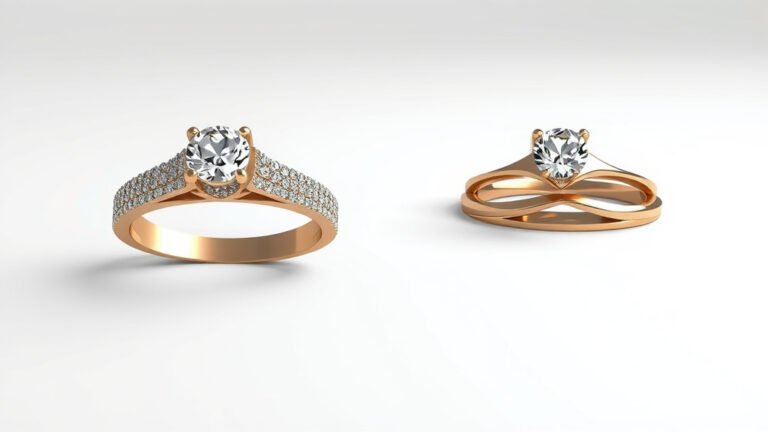
Why Do Antique Rings Cost More? 5 Key Price Factors
Antique rings cost more because they’re rarer, handcrafted, and harder to replace than modern rings. When you’re buying one, you’re paying for age, originality, and craftsmanship that most jewelers simply can’t recreate today. In short, you’re not just buying a ring — you’re buying a piece of history.
But that’s only part of the story. Things like condition, rarity, and the quality of the gemstones also drive up the price. We researched what jewelers and appraisers actually look for, and we found that two rings from the same era can differ wildly in cost. Why? Details matter more than you’d think.
- Rarity: Fewer antique rings exist, and many can’t be reproduced.
- Craftsmanship: Most were made by hand, which takes skill and time.
- Condition: A well-preserved ring can cost far more than a worn one.
- Gemstones: Old-cut diamonds and original stones often carry a premium.
- History: A documented past can bump the price up even more.
Below, we break down everything you need to know about why antique rings cost more — so you can shop smarter and know exactly what you’re paying for.
What Drives the Price of Antique Rings
Antique rings cost more because supply is low and demand is steady. There’s only a limited number of rings left from each era, and no factory can make more of them. When something can’t be replaced, its price goes up.
Think of it like a vintage car. A 1965 Mustang in good shape sells for far more than a brand-new sedan with the same horsepower. Why? Because they stopped making it. Rings work the same way.
We researched pricing from estate jewelers and appraisers and found that five factors matter most. Let’s walk through each one, so you know exactly where your money goes.
The Craftsmanship Behind Old Rings
Most antique rings were made by hand, not by machines. A jeweler would cut, file, and set every detail by eye. That kind of work can take weeks.
Many experts say this handwork shows in the details. Look closely at an Edwardian ring and you’ll see tiny beads of metal holding each stone. Machines can copy the look, but not the soul.
Hand-Cut Gemstones
Old diamonds were cut differently, too. Before modern technology, cutters shaped stones by hand to catch candlelight, not LED bulbs. That’s why old mine cuts and old European cuts have a warmer, softer sparkle.
Here’s the kicker: these cuts no longer exist in new production. If you want that look, an antique ring is your only option. Scarcity pushes the price up.
Metal Work You Can’t Copy
Victorian and Edwardian jewelers often used techniques like hand engraving and milgrain beading. We found that pieces with original, untouched detail command the highest prices. Repairs and recutting can actually lower a ring’s value.
Rarity and Age
Simple math plays a big role here. Rings get lost, damaged, melted down, or reworked over the decades. What survives becomes rarer every year.
A ring from the 1880s might have started as one of thousands. Today, maybe a few hundred still exist in wearable condition. Fewer pieces plus steady demand equals higher prices. That’s not opinion — that’s just how markets work.
Condition: The Big Price Swing
Condition can be the difference between a $800 ring and an $8,000 ring. Two rings from the same year, same style, can sit at opposite ends of the price scale.
Appraisers check for wear on the band, chipped stones, replaced settings, and signs of resizing. A ring with its original stones and setting earns a premium. One that’s been patched up over the years? Not so much.
| Condition Level | What It Means | Typical Price Impact |
|---|---|---|
| Excellent | Original setting, minimal wear, stones intact | Highest prices |
| Good | Light wear, small repairs, all original stones | Solid prices |
| Fair | Visible wear, possible replaced parts | Noticeable discount |
| Poor | Damage, missing stones, heavy repairs | Lowest prices |
Gemstones That Command a Premium
The stones inside an antique ring often carry more value than the metal around them. And some historic gem cuts and materials are worth far more than their modern cousins.
Old-Cut Diamonds
Old mine and old European cut diamonds were cut to shine in low light. Modern brilliant cuts are designed for bright, flashy sparkle. Neither is better — they’re just different.
But here’s what matters for your wallet: collectors pay extra for original old cuts. We found that a recut stone usually loses both its character and its value. Collectors want the original, warts and all.
Stones You Won’t See Today
Some antique rings feature stones that are rare or no longer mined. A few examples:
- Burmese rubies with a rich, glowing red color
- Kashmir sapphires, prized for their soft blue tone
- Demantoid garnets from old Russian mines
- Natural pearls, which are far rarer than cultured ones
The National Gem Collection at the Smithsonian notes that many of these historic sources were mined out long ago. When the mine closes, the supply stops. Prices climb.
The History Attached to the Ring
Provenance is a fancy word for a simple idea: who owned the ring before you? A documented past can add real money to a price tag.
If a ring comes with old receipts, letters, or photos showing it belonged to someone notable, collectors take notice. Even a well-documented family history adds trust — and trust adds value.
No famous owner? That’s fine. Original boxes, estate papers, and appraisals from decades past still help. They prove the ring is what the seller says it is.
How Era Affects Value
Not all antique periods are priced the same. Some eras are simply more popular with today’s buyers, and popularity drives price.
| Era | Approximate Years | Why Collectors Love It |
|---|---|---|
| Georgian | 1714–1837 | Extremely rare, all handwork |
| Victorian | 1837–1901 | Romantic designs, yellow gold |
| Edwardian | 1901–1915 | Delicate platinum work, lacy details |
| Art Deco | 1920s–1930s | Bold geometry, very high demand |
We found that Art Deco rings often sell at the highest prices right now. Clean lines and geometric styles fit modern tastes, so demand stays strong. Georgian pieces can cost even more, but they’re hard to find in good shape.

Hidden Costs You Should Expect
The sticker price isn’t always the full story. A few extra expenses can sneak up on you, so plan ahead.
- Appraisal fees — expect to pay a certified appraiser to document the ring
- Insurance — antique rings need specialized coverage, not a standard rider
- Sizing limits — resizing an antique can damage its value or the setting
- Special care — old settings are delicate and may need gentle cleaning only
- Seller fees — estate dealers and auction houses add their own markups
None of these are dealbreakers. They’re just the cost of owning something old and special. Budget for them upfront and you won’t be surprised later.
Smart Shopping Checklist Before You Buy
Ready to shop? Run through this quick checklist first. It takes five minutes and can save you hundreds.
- Ask for the era — get the seller to identify the period and style in writing.
- Check for original stones — ask whether the diamonds or gems are original to the setting.
- Request condition details — find out about past repairs, resizing, or replaced parts.
- Get paperwork — an independent appraisal is worth the fee before you commit.
- Compare prices — look at similar rings from several dealers before deciding.
- Buy from a specialist — estate jewelers and antique dealers know these pieces best.
One last tip from our research: don’t rush. The right antique ring is out there, and patience usually pays off. A good dealer would rather answer your questions than lose your trust — and if one won’t, that tells you everything you need to know.
Conclusion
Antique rings cost more for good reason. You’re paying for handcrafted work, rare old-cut stones, and a piece of history that can’t be made again. We found that condition, era, and provenance matter just as much as age itself. A well-preserved Art Deco ring with original stones will always outprice a worn one from the same period. Your best move? Take your time, ask questions, and buy from a dealer who specializes in estate jewelry. Get an independent appraisal before you commit, and don’t be afraid to walk away from a deal that feels off. The right ring is worth the wait.
Frequently Asked Questions
Are antique rings a good investment?
Some are, especially rings with original stones, strong provenance, and good condition. But we’d treat an antique ring as a purchase to enjoy first and an investment second. Prices can rise, but they can also stall.
Can I get an antique ring resized?
Yes, but carefully. Minor sizing by an experienced jeweler is usually fine, while major changes can damage delicate settings or lower the ring’s value. Always ask a specialist before you buy if sizing is a concern.
What’s the difference between antique and vintage rings?
An antique ring is generally 100 years old or older. Vintage rings are typically 20 to 99 years old. So a 1980s ring is vintage, while an Edwardian ring from 1910 counts as antique.
How can I tell if an antique ring is real?
Look for hallmarks, hand-cut stone characteristics, and signs of age in the metal wear. If you’re unsure, take the ring to a certified appraiser before purchasing. A reputable seller won’t mind you verifying.
Why are some antique rings cheaper than new ones?
Condition matters a lot. A heavily worn or damaged antique with replaced stones can cost less than a modern ring. If the price seems too low, ask plenty of questions about repairs and originality first.